


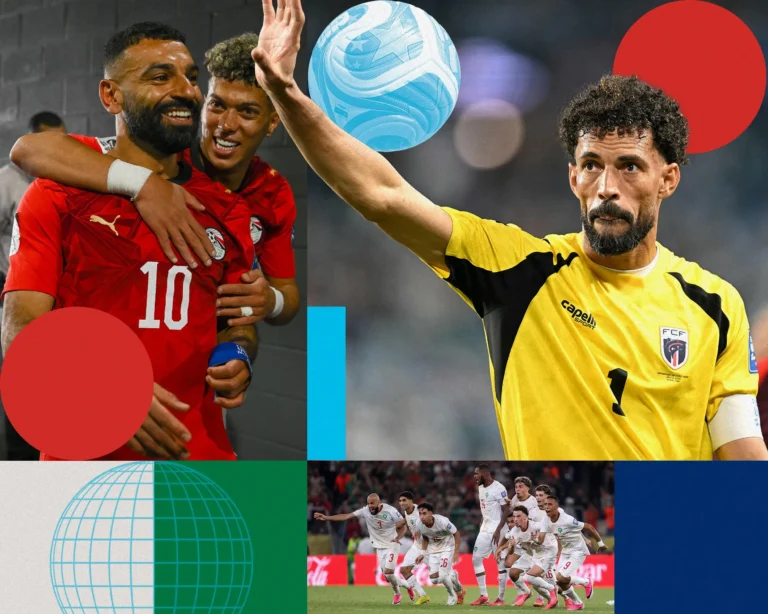
This World Cup has sparked a debate reminiscent of early social media memes: is it a triumph for African football or a reflection of ongoing challenges? The answer may vary depending on one’s perspective.
For years, the Confederation of African Football (CAF) has contended that its 54 members deserve more than five slots at the World Cup. Currently, only 9% of African teams participate, compared to 50% of South America’s members. Critics often point out that South American nations have secured the World Cup title ten times, while Africa has not seen a semi-finalist until Morocco’s impressive run in Qatar in 2022.
Striking a balance between representation and quality remains a challenge. Despite the flaws inherent in a 48-team tournament, Africa’s allocation of nine guaranteed spots—plus a potential tenth from the intercontinental play-offs, which was secured by the Democratic Republic of the Congo (DRC)—can be seen as a positive development.
However, a lingering concern persisted: what if the performance of these ten teams fell short? If fewer than five had advanced from the group stage, it could have been argued that CAF had too many qualification slots. Fortunately, nine African teams progressed, allowing those advocating for better representation to claim vindication. In contrast, UEFA and Conmebol sent 13 and five teams through, respectively, while Asia and North and Central America underperformed, with only Japan and Australia from the AFC and three hosts from Concacaf advancing.
In this respect, the tournament has been a significant achievement for Africa, despite Tunisia’s historically poor performance. They set a new record by trailing for 256 minutes across their three matches, surpassing Mexico’s previous mark of 240 minutes.
While having 90% of African teams advance from the group stage seems impressive, none topped their group. Another key objective was for three African teams to reach the Round of 16 for the first time. Morocco and Senegal achieved this milestone in Qatar, contrasting with previous tournaments where no African side made it past the group stage.
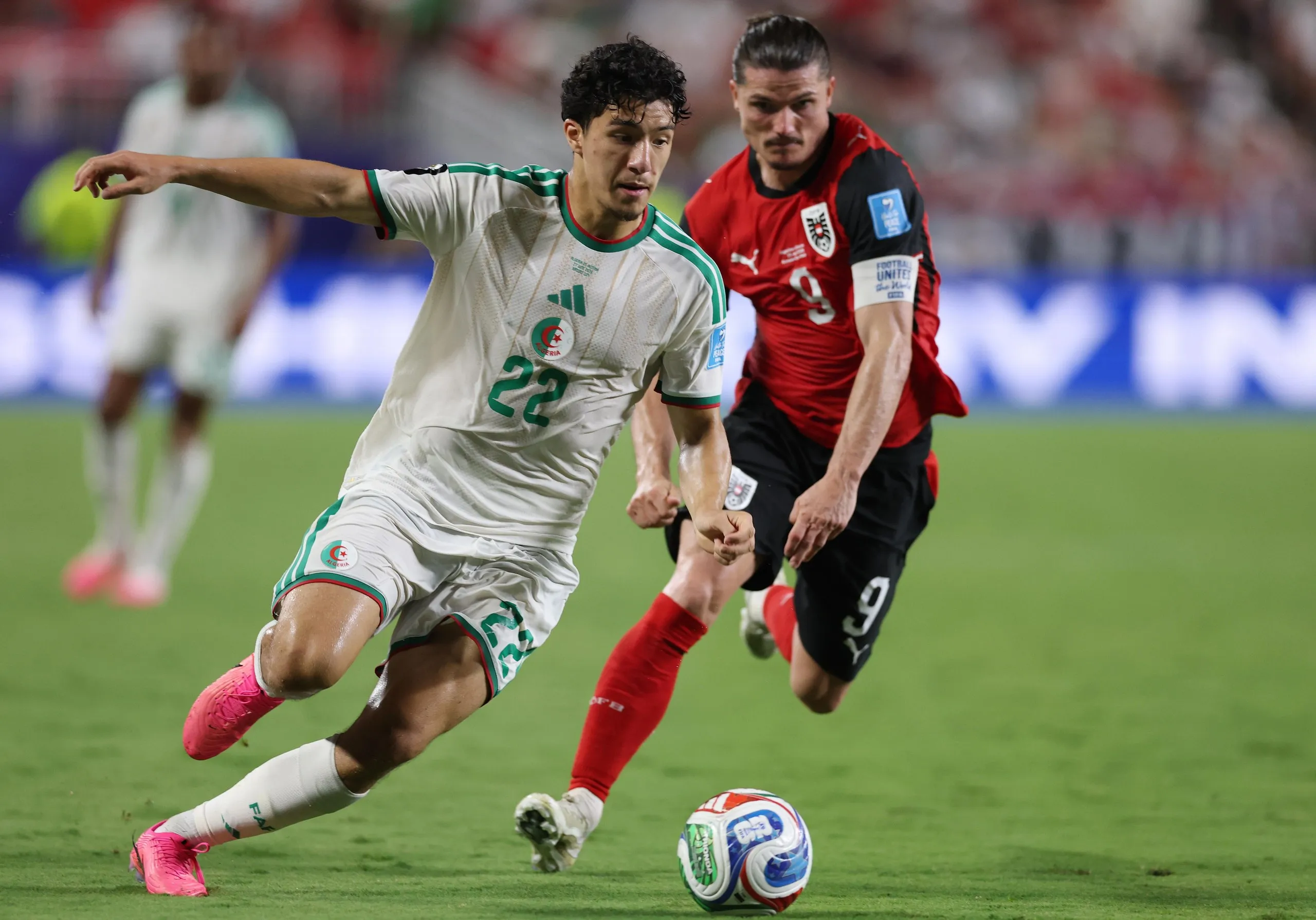
Ultimately, two African nations progressed through tense penalty shootouts, a scenario they have previously encountered. Despite this being considered a qualified success, there remains a feeling that it could have been even better. Algeria faced a tough match against Switzerland and struggled with a recurring issue of conceding unnecessary goals. The other teams lost by narrow margins, highlighting how closely contested the matches were.
Some losses were particularly gut-wrenching. South Africa conceded an injury-time goal against Canada, reflecting a lackluster performance that contrasted sharply with their spirited semi-final run in the 2024 Cup of Nations. Ghana, after falling behind to Colombia, appeared at a loss for how to respond—an outcome that illustrates the challenges of being managed by Carlos Queiroz, whose teams often struggle to adapt once they concede.
For Cape Verde, reaching the World Cup is a remarkable achievement, and pushing Argentina to extra time, twice equalizing, enhances their accomplishment. Nonetheless, the other three teams left a sense of unfulfilled potential.
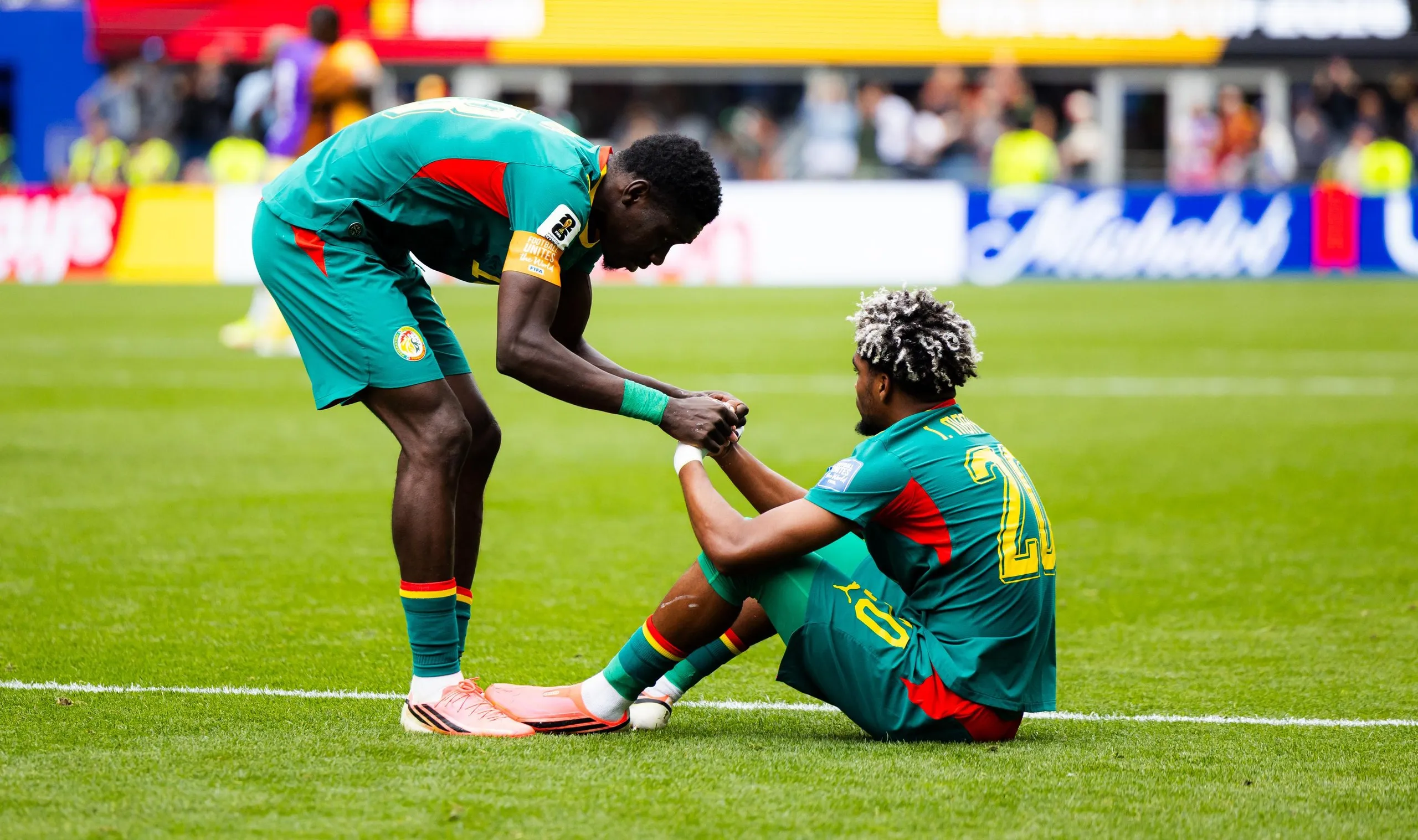
Senegal, in particular, may lament missed opportunities. Despite the controversial penalty awarded against them via VAR in extra time, they had dominated Belgium and held a 2-0 lead with just minutes remaining, making their eventual exit all the more disappointing. Côte d’Ivoire managed to equalize against Norway but ultimately lost their match. The DRC led England but fell apart in the final minutes due to exhaustion.
Additionally, Côte d’Ivoire led Germany, Morocco held Brazil, and Senegal was in control against France at halftime, yet none managed to secure victory. They attained favorable positions but failed to capitalize on them. As Belgium’s coach Rudi Garcia noted, this may stem from inexperience—teams unfamiliar with leading against perceived stronger opponents often lack the savvy needed to secure wins.
Potential issues such as inadequate squad depth and fatigue, particularly evident for the DRC, may have hindered performance. There’s a broader concern regarding belief against more esteemed teams. Each squad might face unique challenges, so attributing a single cause to their struggles is overly simplistic.
Morocco may have the potential to solidify their status among global football’s elite, yet there is a growing sense that despite the increasing number of capable teams, African football is expanding horizontally without significantly climbing higher. Many teams can reach the last 32, but few seem ready to advance to the last 16.
To change this narrative, teams like Senegal and Côte d’Ivoire must learn to seize opportunities and convert promising starts into victories against formidable opponents.
- World Cup 2026
- Inside football
- World Cup
- Algeria football team
- Cape Verde
- Democratic Republic of the Congo football team
- Egypt football team
- Ghana football team