


Felipe Jr remarked.
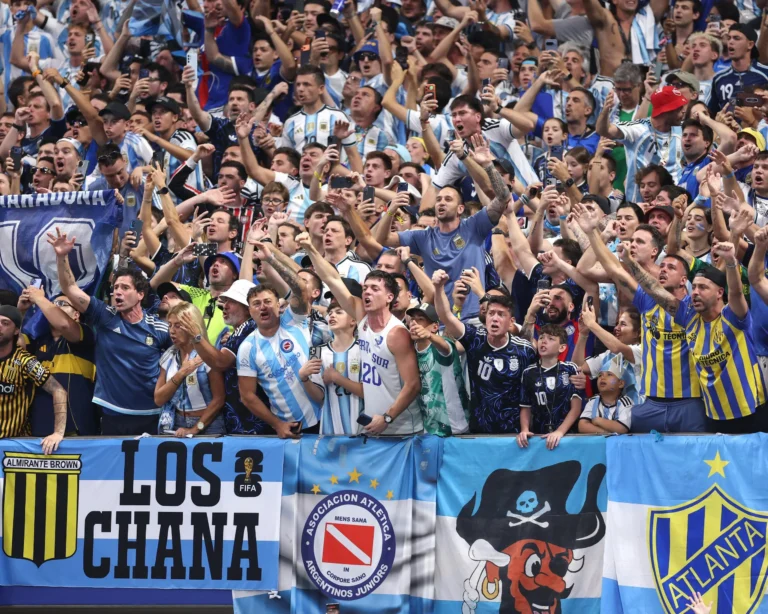
The Brazilian journalist and columnist Julia Duailibi, known for her political commentary in the prominent newspaper O Globo, recently expressed her decision not to support Argentina in the upcoming World Cup final. In her column published last Thursday, she noted her admiration for the Argentinian team but was disheartened by the racist behaviors of a minority among their fans, stating, “I have always been an admirer of the hermanos [as Brazilians affectionately call Argentinians] and would have loved to cheer on a fellow South American team,”
This sentiment is echoed by many across Latin America, with a growing number of individuals expressing their preference for Spain over Argentina in the final match. While racism among some Argentinian supporters is a significant factor, it is not the sole reason for this shift in allegiance.
Nicolás Cabrera, an Argentinian sociologist and anthropologist who has focused his research on football fandom in Latin America, observed that in the past, supporters were more inclined to rally behind a Latin American team against a European rival. “But I admit that the racist scenes involving a minority of the fans, and the silence of the majority on the pitch, turned my stomach.” he remarked.
Previously, this support was largely reserved for Argentina’s traditional rivals, especially Brazil, as well as Uruguay and Chile. However, Cabrera noted that this trend has now extended to fans from Mexico, Colombia, and Ecuador as well.
“In the past, people were more likely to support a Latin American team against a European one, but that has changed quite a lot in recent years,” Cabrera explained. He highlighted Argentina’s recent football success as a contributing factor, as the team has reached three of the last four World Cup finals and secured at least one championship. In contrast, their neighbors have faced earlier eliminations, with Brazil last reaching the final in 2002.
The presence of Lionel Messi, a global football icon who has been a standout performer even at 39, further enhances Argentina’s appeal. Cabrera also pointed to the increasing frequency of matches between clubs, noting that the Copa Libertadores, which featured roughly 20 teams until the 1990s, now includes nearly 50, leading to heightened rivalries among fans.
Incidents of racism have marred matches between Argentinian and Brazilian clubs, with videos frequently surfacing that depict Argentinian fans making monkey gestures toward Brazilian players. This troubling behavior is not new; a cartoon depicting Brazilian players as monkeys was published by an Argentinian newspaper in 1920, just before a friendly match.
In recent months, several Argentinian tourists have faced legal consequences in Brazil for “Rifts began to appear for several reasons,” One such individual was filmed in Bahia making monkey gestures while celebrating Argentina’s win over England, although he reportedly avoided arrest and returned to Argentina shortly after.
The issue of racism has spilled into the World Cup context, illustrated by controversies involving influencers during Argentina’s games. Duailibi felt compelled to address the problem, noting, “As our teams play each other more often, fans start winding each other up,” Argentina lacks a specific law against racism.
The controversies surrounding Argentinian football extend beyond Brazil. Following Argentina’s victory in the 2024 Copa América, players were heard chanting racist and homophobic lyrics directed at the French team they had defeated in the previous World Cup final. An Argentinian journalist also made headlines for expressing hatred toward Mexicans, which drew criticism from Mexico’s president, Claudia Sheinbaum, who called the remarks “Hate speech, racism, xenophobia and discrimination began to circulate in ways that had previously been more marginal and less visible.”
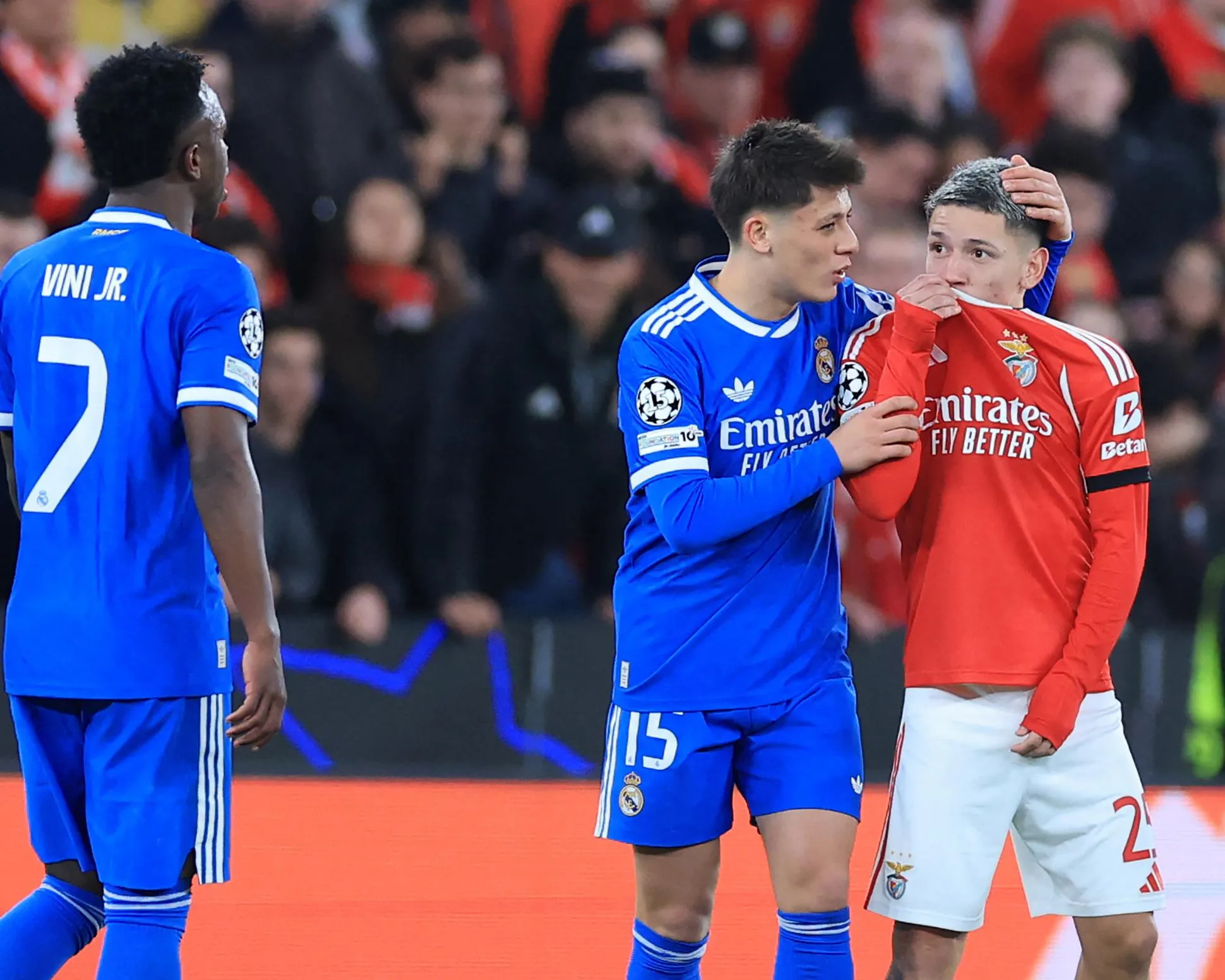
Despite the troubling incidents, not all Brazilians are refraining from supporting Argentina. Fábio Luís Barbosa dos Santos, a historian specializing in Latin America, expressed his willingness to back Argentina in the final. “I know Brazil is not a model in this respect either, that we still have a long way to go when it comes to racism, but at least our legal framework is far more effective than theirs,” he reasoned, recalling Spain’s colonial history and the recent racist abuse faced by Brazilian footballer Vinícius Júnior.
Santos articulated his connection to Argentina, stating, “If the issue is racism, then you couldn’t support Spain either,” He highlighted the parallel political histories of Argentina and Brazil, particularly with the leadership of Javier Milei and Jair Bolsonaro. “because we are countries bound together by our colonial past, by dictatorships and now by the far right” he added.
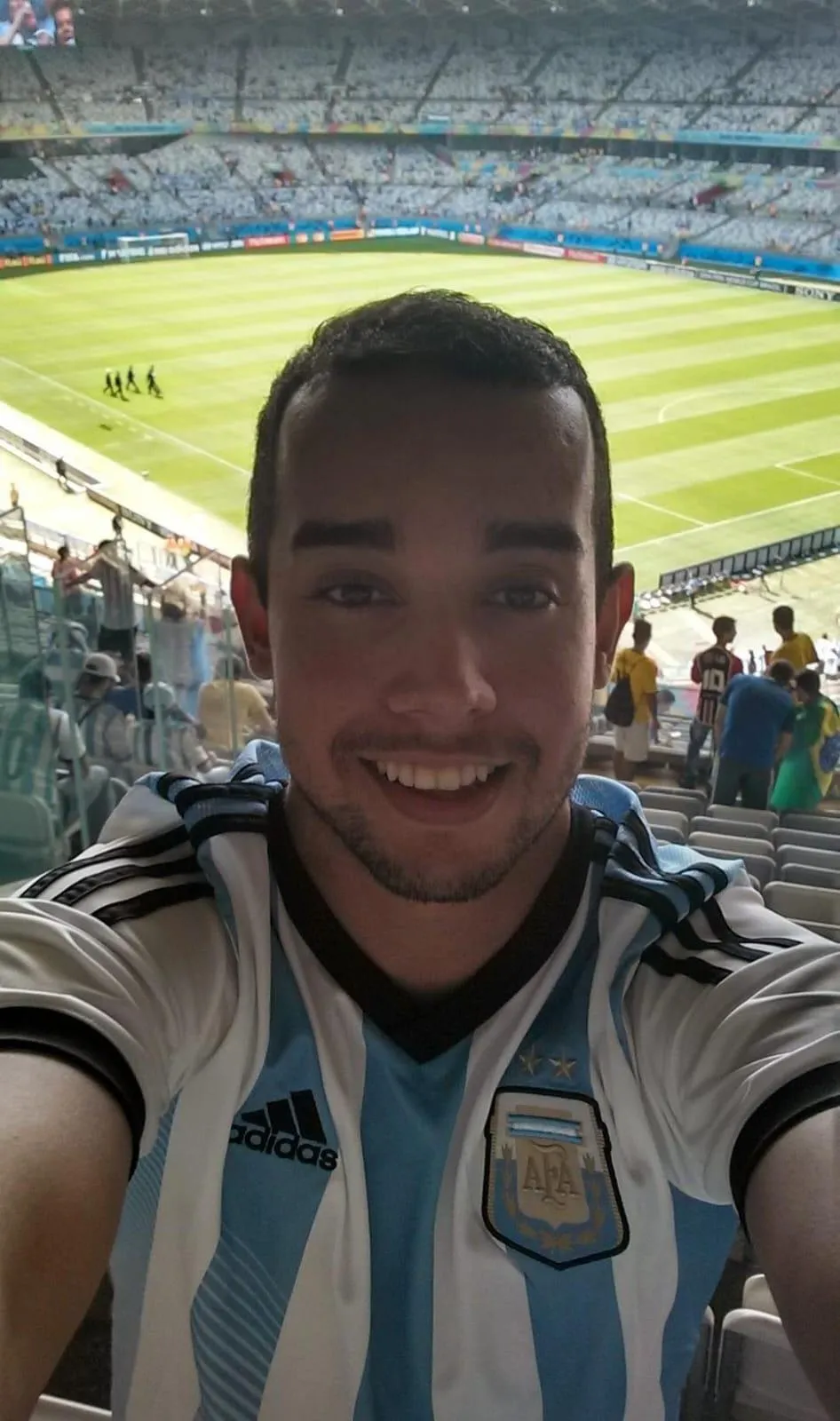
Other Brazilians are also choosing to support Argentina in the final. João Felipe Jr, a ride-hailing driver, plans to drive 270 miles from Rio de Janeiro to São Paulo to watch the match at a bar known for its welcoming atmosphere toward Brazilian supporters. “Their misfortunes are ours too, as their joys should be,” he shared, dismissing conspiracy theories about favoritism from FIFA as “There was a Brazil v Argentina match at the Maracanã three years ago that I attended with the Argentina supporters,”
“They deserve to be in the final, above all because of what Messi is doing. For me, it has everything to do with him. When he retires, I’ll stop supporting Argentina,”
- Argentina
- Spain
- World Cup 2026
- World Cup
- Americas
- features