


The 2026 World Cup is set to conclude this Sunday, marking a spectacular finish to a tournament that saw the United States host 78 matches across 11 cities. The final two games, including the championship clash in East Rutherford, New Jersey, and the third-place match in Miami, will cap off this grand sporting event.
As attention shifts towards the upcoming centennial World Cup in 2030, it’s time to evaluate how the U.S. performed in its second opportunity to host this prestigious tournament.
For those focused on the experience, the U.S. delivered. While few venues exude traditional charm, the sprawling NFL stadiums welcomed large crowds and were designed to amplify the atmosphere with sound retention. However, they struggled with crowd management, as concourse areas were not adequately expanded to accommodate the high volume of attendees. Overall, this aspect earned a B+ grade.
Transport Challenges
Transportation emerged as a significant concern during the tournament, reflecting the U.S.’s historical emphasis on car travel throughout the 20th century. Some cities enhanced public transit options with supplementary bus services, yet many initiatives resulted in increased costs for riders. The time spent navigating to and from venues was costly, both financially and in terms of fan experience, leading to a disappointing D+ rating.
Affordability Issues
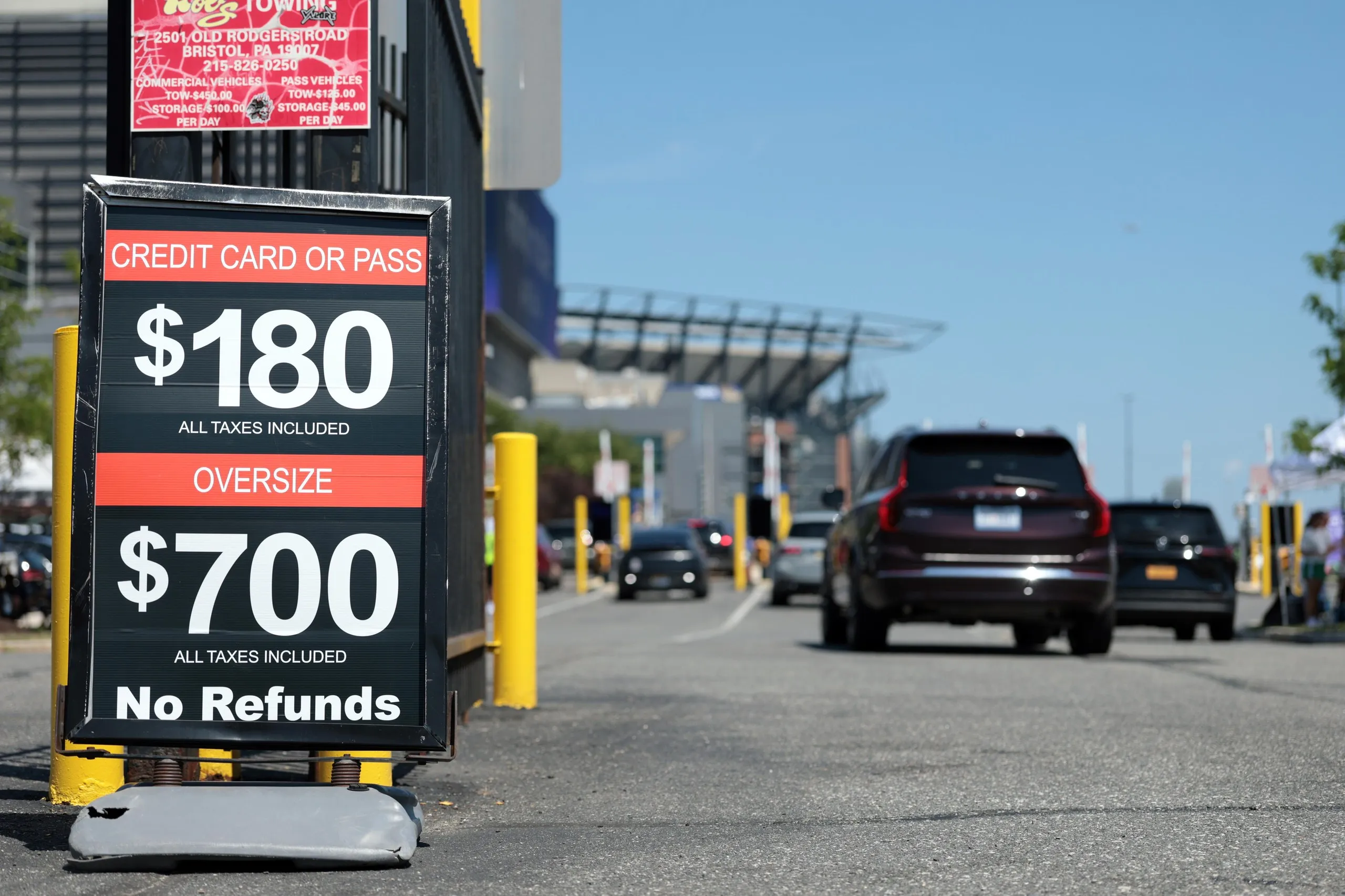
The issue of affordability requires little explanation. Ticket prices outlined in United 26’s bid book were in line with typical World Cup expectations, with inflation justifying minor increases. However, the 2026 World Cup became an anomaly with event pricing that many could not afford, making it a unique case in global sporting events.
FIFA acknowledged this as a rare opportunity to generate significant revenue from the tournament, admitting that such exorbitantly priced tickets would not be feasible for future events in other regions. This decision was perceived as a blatant disregard for soccer fans. Following FIFA’s lead, stakeholders across the tournament—including transportation, food vendors, and parking services—adjusted their prices accordingly, resulting in an F grade for affordability.
Hospitality Experience
There were commendable displays of community spirit throughout the tournament. Regardless of the high prices for drinks, it was heartwarming to witness fans from around the globe sharing cheers before and after matches. FIFA’s volunteers, donned in bright tracksuits, were friendly and immensely helpful, contributing positively to the atmosphere.
However, not all fans felt welcomed. Decisions made during the Trump administration resulted in some referees and team staff being denied entry, impacting fans from nations affected by travel bans. The justification for these rejections seemed weak, yet FIFA continued to support such policies.
One can’t help but ponder how different the experience for fans from Côte d’Ivoire, Haiti, Iran, and Senegal might have been if the accessibility seen during the 1994 World Cup had been replicated. While the spirit among attendees was commendable, the barriers faced by others led to an F rating in this category.
City Atmosphere Beyond the Venues
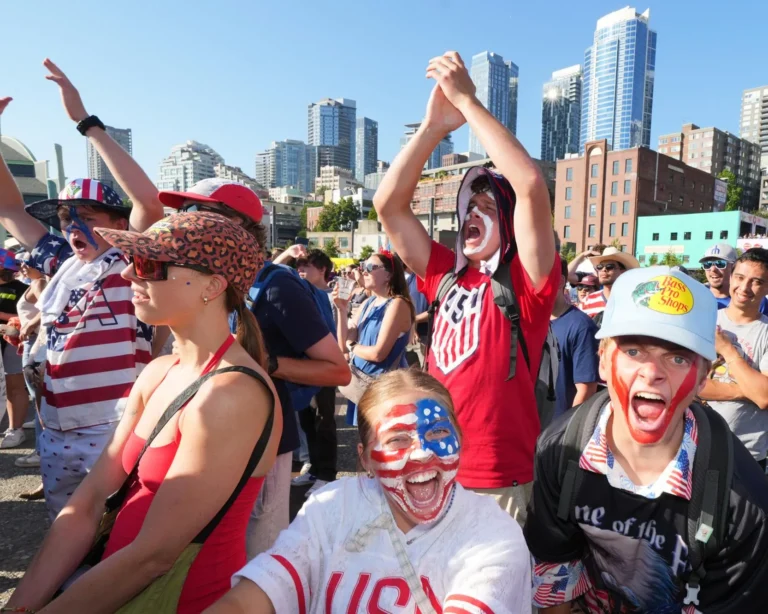
This category showcased the widest gap between the most vibrant cities and others that fell short. Cities like Seattle, Philadelphia, and Kansas City established themselves as authentic soccer hubs. The sought-after “World Cup village” vibe thrived, featuring accessible public viewing parties, decorated streets, and a palpable excitement as global attention focused on these locales. In contrast, cities like Boston and the Bay Area either embraced their visitors or provided ample opportunities for local festivities to thrive between match days.
Conversely, areas where stadiums were located far from city centers struggled to fully capitalize on the tournament’s potential. For some fans, being an hour or two away from the action felt just as uninspiring as watching a game from home. Texas, despite hosting multiple cities, appeared indifferent, with reports from Dallas and Houston reflecting apathy. As the festivities conclude, many in these cities may hardly recall the whirlwind of the World Cup. This aspect received a B- grade.
- World Cup 2026
- World Cup
- Football politics
- features