


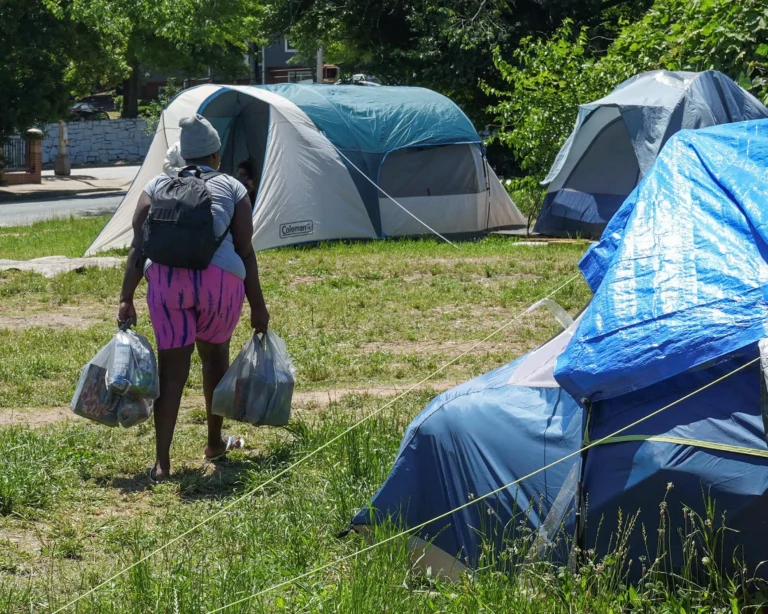
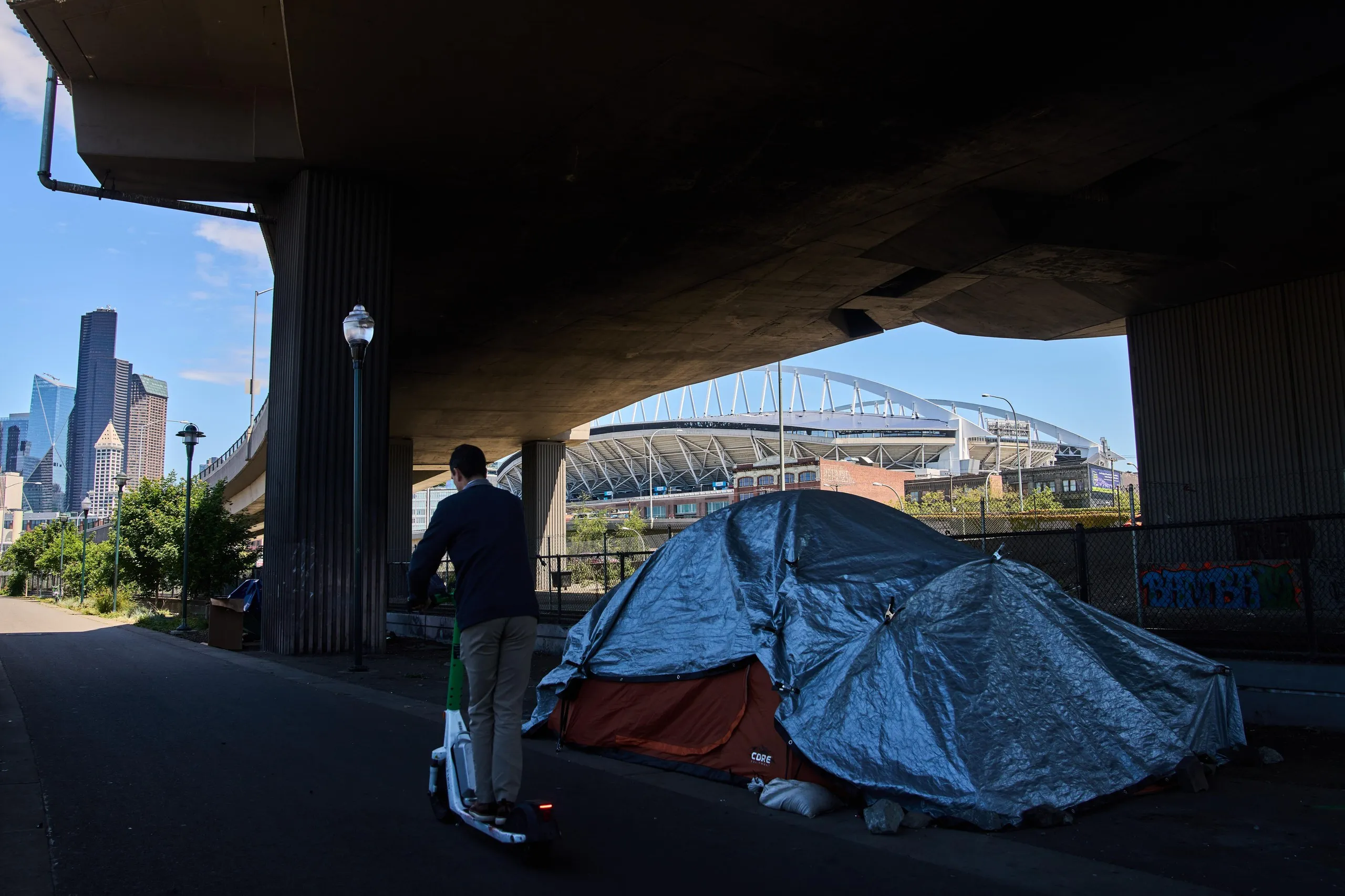
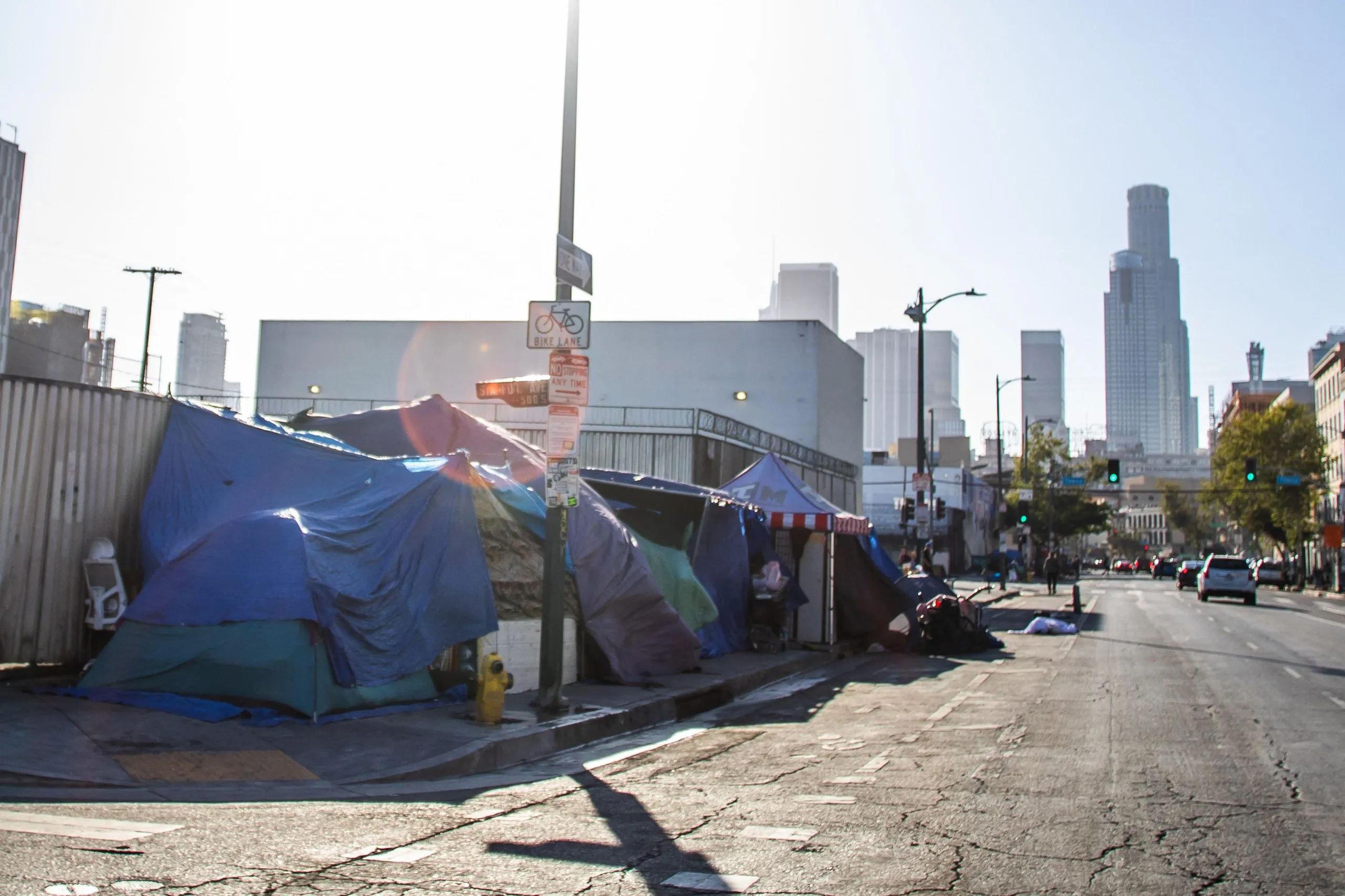
As the World Cup excitement builds, Atlanta’s homeless population grapples with the city’s aggressive measures to erase their presence. One individual expressed their discontent, saying, “A lot of our community has been pushed out by the World Cup. We’re not just dollar signs, we’re more than that. We’re people and we’re frustrated that they’ve chosen to treat us less than human.”
Another homeless man recounted a disturbing incident regarding his relocation.
“They dropped me off there in the middle of the night. They call them Mormon centres or whatever, but it ain’t nothing but a warehouse of cops. It looked like a Fema camp. When I saw it, I left, I walked all the way back here. It’s because of the World Cup. They’re trying to make it look good for tourists. They don’t want the eyesores around.”
In stark contrast, FIFA President Gianni Infantino arrived in Qatar on a private jet just days prior to the World Cup final, attending the funeral of former Emir Sheikh Hamad bin Khalifa Al Thani, where he was photographed in a dignified manner.
Simultaneously, former President Donald Trump was spotted at his Virginia golf resort, showcasing a lifestyle that starkly contrasts the hardships many in Atlanta face.
A city official claimed that Freedom Park did not qualify as an official encampment, thereby circumventing specific procedural guidelines. The removal was described as “We want to make sure those unsheltered individuals don’t come anywhere near downtown and throughout the city of Atlanta, not just during the World Cup but now,” By the time England faced Argentina in the semi-finals, the park had been largely cleared of its homeless occupants.
The trend of displacing homeless individuals from areas designated for the World Cup has been a consistent issue throughout the event’s history in the United States, Canada, and Mexico. Atlanta’s Mayor, Andre Dickens, has expressed the city’s aim to keep those without shelter away from downtown, not only during the tournament but as a continuing policy.
This approach reflects broader governmental strategies, as indicated by Vice President JD Vance’s comments last August, which suggested that citizens should not have to navigate downtown Atlanta while managing encounters with individuals experiencing mental health crises.
In preparation for the World Cup, Atlanta launched a plan known as Downtown Rising, which seeks to eliminate homeless encampments in the city center. This initiative has secured funding and claims to have successfully housed 500 individuals.
However, the tragic death of Cornelius Taylor, who lost his life due to a bulldozer incident during an encampment clearance, underscores the potential risks associated with such policies. Taylor was asleep in his tent when the accident occurred, prompting city officials to promise enhanced safety measures for the homeless.
Despite these assurances, questions linger regarding the effectiveness of the measures taken. A healthcare worker at the Centre for Health and Rehabilitation observed a decrease in the visible homeless population during the World Cup, but expressed uncertainty about their current locations. “You should not have to cross the street in downtown Atlanta to avoid a crazy person yelling at your family,” she commented.
No official rehousing center is available in Atlanta for the duration of the World Cup. Sirius, a homeless man who visits the Crossroads Community Center, recounted his experience of being taken to a distant facility. “I haven’t seen evidence of what has occurred, but we do know the people are gone. So where did they go? A lot of those people definitely wanted to be where they were within that vicinity. And I don’t know where they were taken. So they could have been displaced well away.” he explained.
Another homeless individual, Drayvon Clark, shared his worries regarding the impact of the World Cup on the local community. “They dropped me off there in the middle of the night. They call them Mormon centres or whatever, but it ain’t nothing but a warehouse of cops. It looked like a Fema (Federal Emergency Management Agency) camp. When I saw it, I left. I walked all the way back here. It’s because of the World Cup. They’re trying to make it look good for tourists. “They used to just drop you off in the middle of the street over there by Pryor Road, across from Gateway. Now they take you all the way up to Metropolitan on the far outskirts.”
He continued, “We feel like a lot of our community has been pushed out. We’re not just dollar signs, we’re more than that. We’re people and we’re frustrated with the fact that they’ve chosen to treat us less than human in a lot of the areas because of making money. “Not saying that we don’t love soccer, we do love soccer, but it is traumatic. They went and got third-party park rangers, other organisations to try to push out people, our people. It doesn’t matter, black, white, even homeless. And we just want to get our voice heard.”
The issue of homelessness remains critical in the United States, where over 770,000 individuals lack stable housing. Recent legislative measures have increasingly criminalized sleeping in public spaces, a trend exacerbated by the World Cup’s arrival in these cities.
This situation has been historically associated with large sporting events. For instance, during the 1996 Atlanta Olympics, thousands were detained in temporary facilities. Ahead of the upcoming 2024 Olympics in Paris, the homeless population was similarly relocated. Various initiatives in host cities have emerged, some aimed genuinely at alleviating homelessness.
In Los Angeles, accommodations have been provided for homeless individuals in motels, while Dallas has cleared encampments near city hall. In Seattle, Mayor Katie Wilson committed to constructing 500 homes to combat homelessness, but only 50 were completed by the World Cup’s commencement.
Despite these efforts, the persistent visibility of homelessness in host cities starkly illustrates the social divide and the numerous challenges faced by vulnerable populations.
On the eve of the World Cup final, a homeless camp was situated at the entrance of a highly publicized Fanatics event in Manhattan, symbolizing the harsh reality for many. Sirius articulated a sentiment echoed by many, stating, “This country is bred that way,”
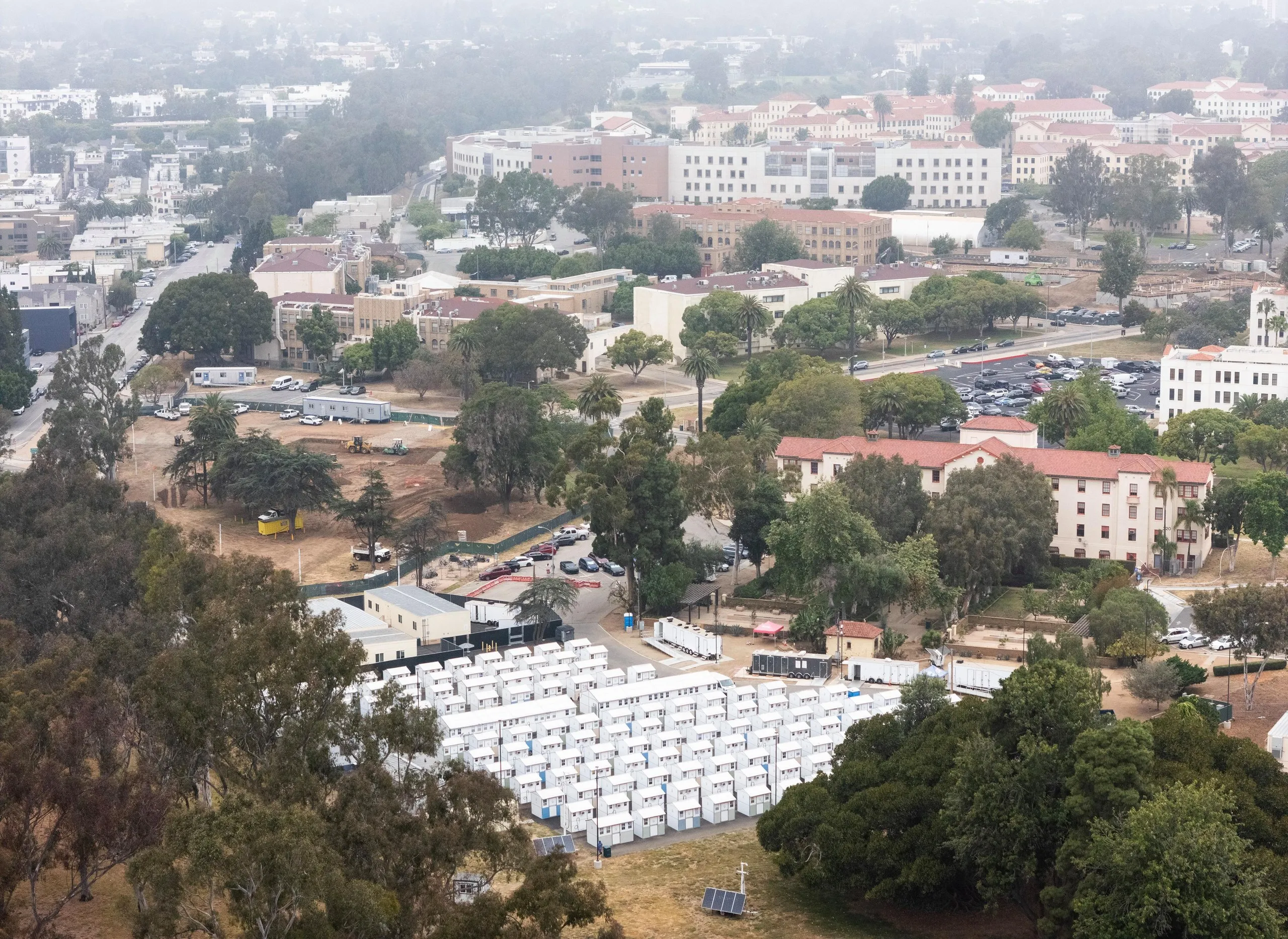
Sirius further noted, “We’re a war country. That’s what we do. All the people here are indoctrinated from their youth to be very aggressive, to be numb to it. It’s intentional. America is hard. Actual rights have been turned to paying privileges. “I’m going to be honest. Black people in Atlanta don’t play football. So when you invited the world here, you invited the world to participate in a sport that these people are not even included in. “The thing about this sport is it makes so much money, but we don’t. Are we going to unite the world? Are we going to fix the city? Until they level the playing ground and we can produce more soccer moms in my community, it’s going to be that way. It has nothing to do with us. We’re the only people that’s excluded from it.”
He emphasized, “They always bring a big event that everybody’s blinded by,”
Such contradictions sharply illustrate the disparity between FIFA’s assertions of unity through football and the stark realities faced by marginalized populations. The World Cup often becomes a spectacle that diverts attention from deeper societal issues, which Sirius poignantly compared to historical spectacles of oppression, stating, “You’ve seen Gladiator, it’s like the Games. That’s what it’s for. It’s a distraction. They treat us like trash and trampled over us. But that’s America for you, isn’t it? They’ve got to reckon with heaven and hell at the end of it. God bless America.”
- World Cup 2026
- World Cup
- Homelessness
- US sports
- features