


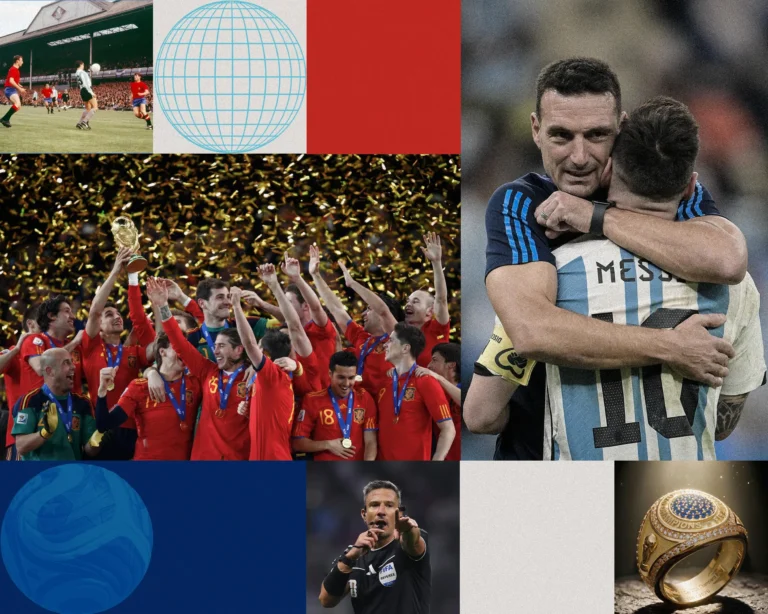
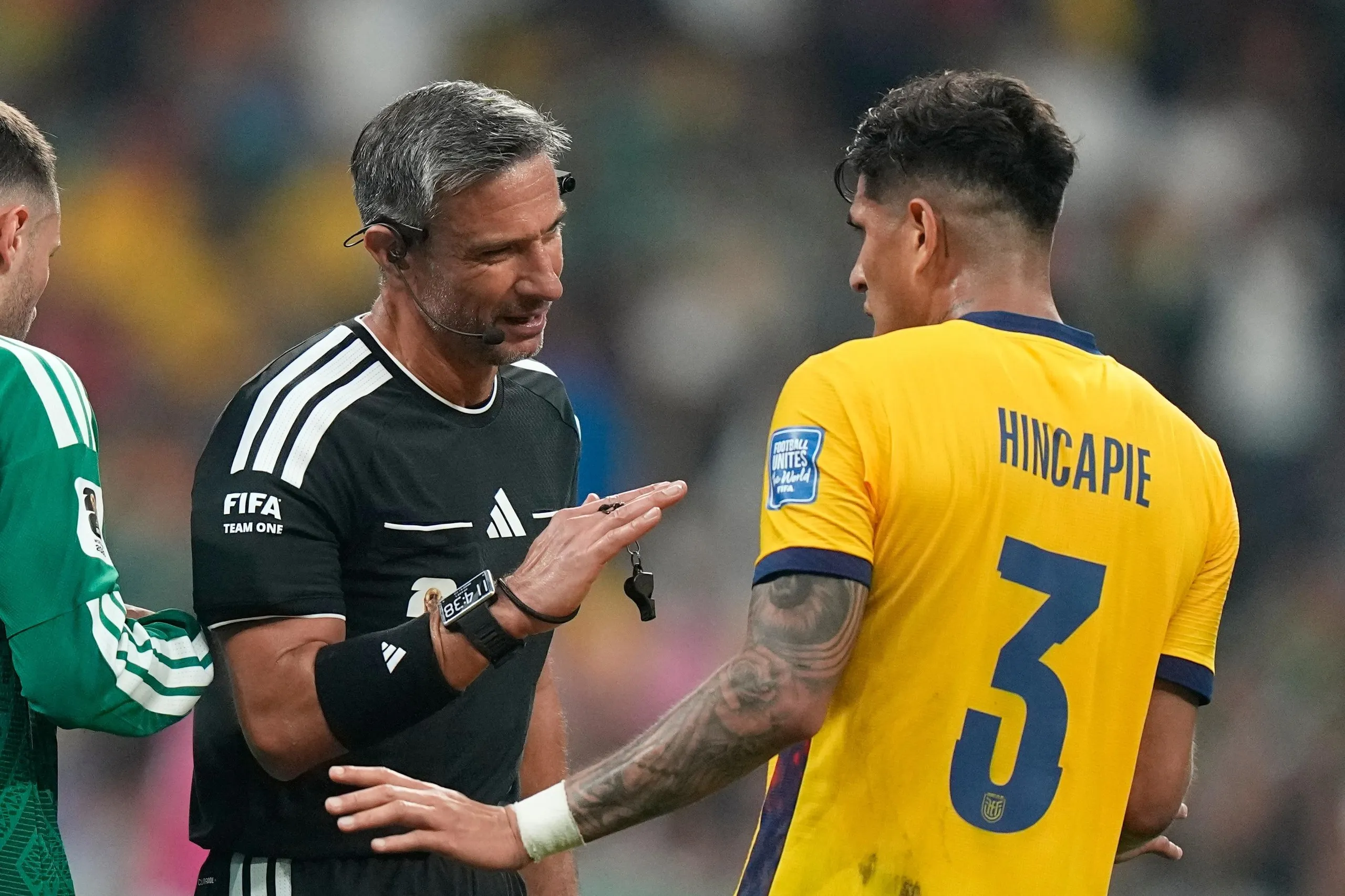
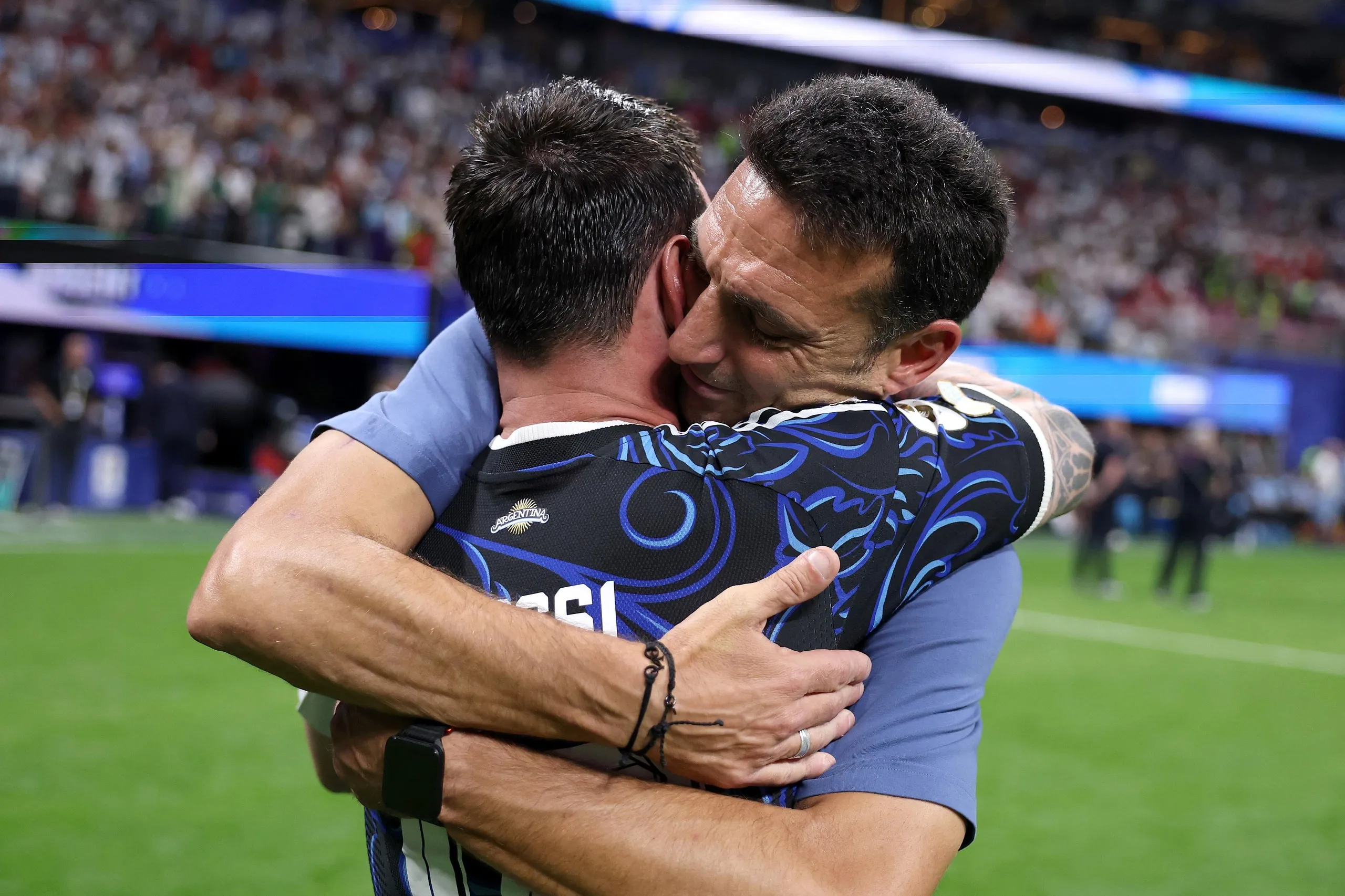
As Spain faces Argentina in the World Cup final, the spotlight is on referee Slavko Vincic, who makes history as the first Slovene to officiate a World Cup final. Vincic has previously refereed significant matches, including the 2024 Champions League final at Wembley, where Real Madrid triumphed over Borussia Dortmund 2-0, and Spain’s victory against France in the semi-finals of the 2024 Euros. The 46-year-old’s World Cup journey began with Argentina’s surprising loss to Saudi Arabia in their opening match in 2022. Notably, during this tournament, he issued a red card to Ecuador’s Piero Hincapié for covering his mouth in the dying moments of a match against Mexico. Vincic has maintained an average of 2.33 yellow cards per game throughout the tournament.
In the historical context of finals, 13 out of the last 14 World Cup and European Championship finals have been won by the team that played its semi-final first. The only exception occurred when the semi-finals were held on the same day. Spain initiated this trend back in 2012 by defeating Italy 4-0 in the Euro final. Argentina, benefiting from a four-day rest leading into the 2022 final, faces Spain this time, who have an extra day of rest before the clash.
Absence of the Argentinian President
For the past 36 years, no Argentinian president has attended a national team World Cup match, and current president Javier Milei will continue that tradition. He has viewed all seven matches from his residence and stated emphatically on a Buenos Aires radio station that there is “reflect the identity of the winning team” he will travel to New Jersey. This superstition traces back to 1990 when then-president Carlos Menem visited the squad before their unexpected defeat to Cameroon, leading to a belief that a president’s presence brings bad luck. In contrast, Spain’s prime minister, Pedro Sánchez, and King Felipe VI plan to attend the match.
Potential Achievements
Should Argentina secure a win, they would join an exclusive group as the third nation to clinch back-to-back World Cups, following Italy in 1934 and 1938, and Brazil in 1958 and 1962. Meanwhile, if Spain emerges victorious, they would become the fourth men’s team to hold both the Euros and World Cup titles simultaneously, joining the ranks of West Germany, France, and their own previous achievement of winning three major tournaments consecutively between 2008 and 2012.
Offensive and Defensive Stats
In terms of scoring, Argentina leads all teams with a total of 19 goals, far ahead of Spain, which has netted 14. Conversely, Spain has demonstrated a formidable defense, allowing just one goal throughout the tournament, while Argentina has conceded seven.
Winners to Receive Rings
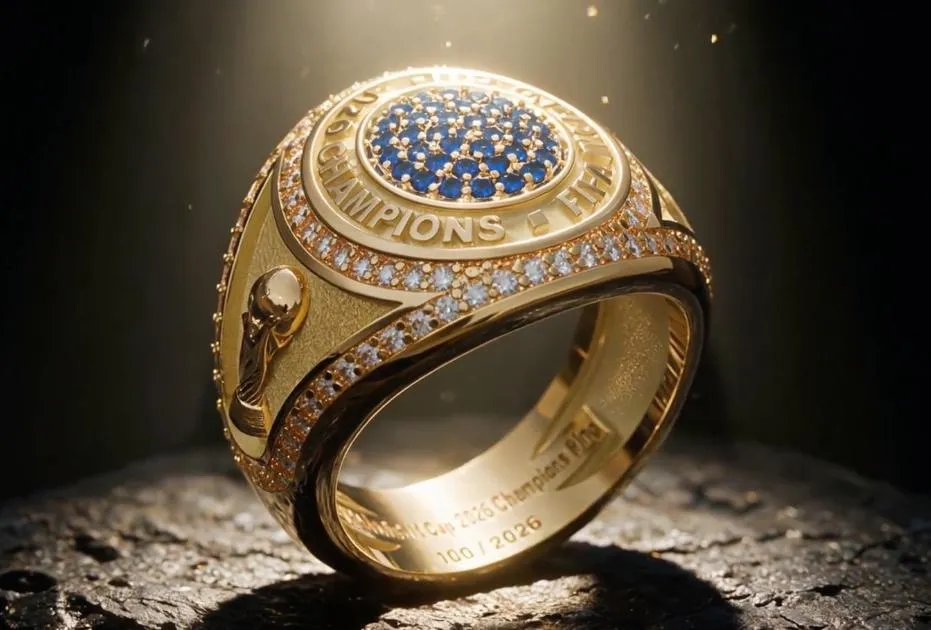
In addition to the traditional trophy, the winning team will receive rings, a practice that has been customary in the United States since the 1922 World Series. A total of 30 rings will be awarded to the world champions, with an additional 1,996 available for public sale. The ring design showcases a mini World Cup trophy on one side, while the other side will reflect the winning team’s identity, as disclosed on FIFA’s official website. Players and coaches will receive temporary rings until their personalized versions are ready for presentation.
Cancelled Finalissima Match
This year, Argentina was set to face Spain in the Finalissima in Qatar, where they aimed to defend their title from the 2022 match against Italy. However, the match was cancelled due to the ongoing conflict in the Middle East. UEFA announced that, after discussions with Qatari authorities, it was determined that the political climate made it impossible to proceed with the match, and no alternative arrangements could be agreed upon.
Management Experience
Both teams will be led by coaches without top-division club experience. Luis de la Fuente was dismissed after just 11 games with third division Alavés and has been managing Spain at various youth levels since 2013. Lionel Scaloni’s managerial experience is primarily with the Argentinian national team, aside from a brief tenure with the Under-20s. Despite the lack of elite club backgrounds, both have proven their capability by winning prestigious titles such as the Euros, Copa América, and the World Cup.
Physical Preparedness
Aside from their extra day of rest, Spain may have an advantage in terms of fatigue, as they have completed all their matches within 90 minutes. In contrast, Argentina has played extra time in two matches, logging 794 minutes overall, compared to Spain’s 717 minutes. This mirrors their experience in Qatar, where they also required additional time in the quarter-finals. The question remains whether Argentina, with an aging squad, will have sufficient energy reserves for the final.
Weather Conditions
While the weather forecast for the final indicates manageable temperatures, an air-quality alert has been issued due to smoke from wildfires in Canada. The New York Office of Emergency Management reported that air quality in the city reached “After much discussion between Uefa and the organising authorities in Qatar, we can announce that due to the current political situation in the region, the Finalissima cannot be played as hoped in Qatar on 27 March.” levels recently, though conditions have since improved. Throughout the tournament, Spain has largely avoided environmental challenges, having played only one of their seven matches in an entirely outdoor stadium, while Argentina has faced outdoor conditions thrice, including two matches with temperatures soaring to 32°C.
Historical Encounters
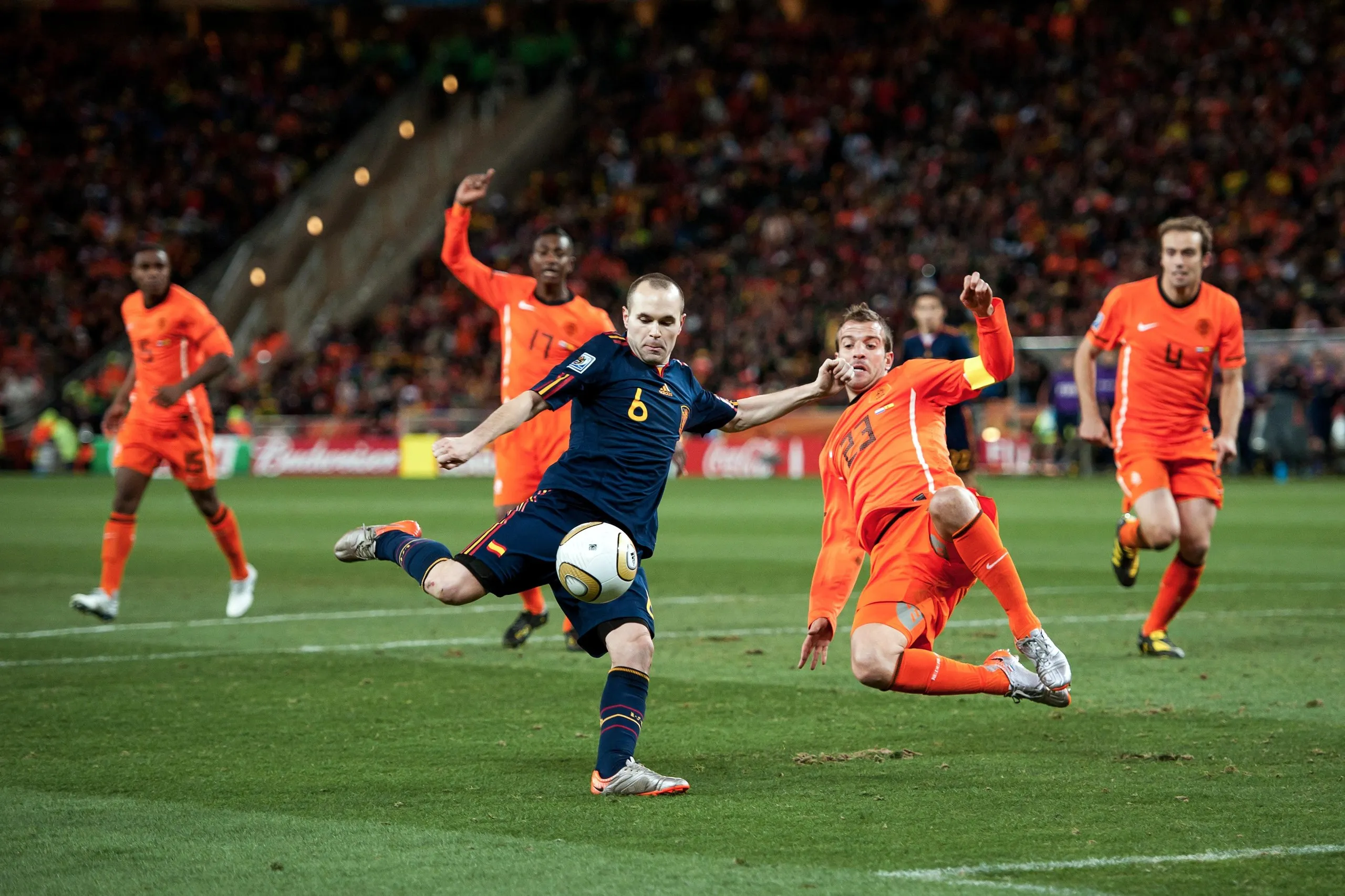
Historically, the two teams have met once in the World Cup, with Argentina claiming a 2-1 victory in 1966, featuring two goals from Luis Artime. Further details can be found in the Guardian’s archives from that match.
- World Cup 2026
- World Cup
- Argentina
- Spain
- features