


Two nations are creating significant, cross-border momentum in the realm of football. Spain stands at the forefront, showcasing a dominant footballing culture that extends its influence worldwide. In contrast, Argentina maintains a unique identity that shapes South America, leading to an exciting climax in the World Cup.
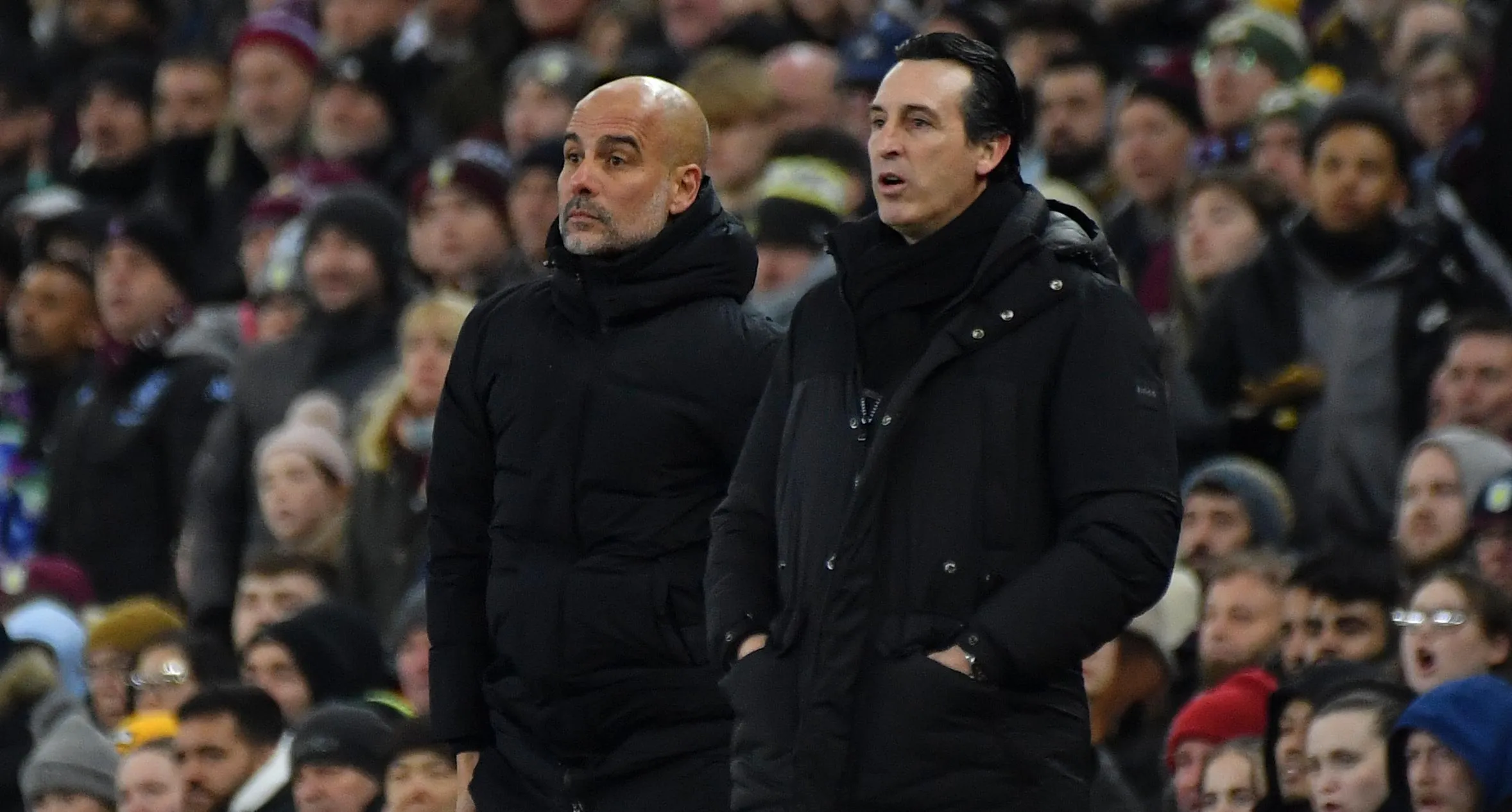
The visionary behind Spain’s football philosophy is Johan Cruyff, who introduced the 4-3-3 formation and a distinctive ideology at Barcelona. Tactical experts like Pep Guardiola and Unai Emery have since evolved this approach into a coherent philosophy that has characterized the playing style of the entire league, youth teams, and the national squad for nearly twenty years. Key tenets include ball-centric defending, well-defined player roles, high organizational standards, and a focus on technical, combination-based play. The players function as a cohesive unit, moving in sync like a swarm.
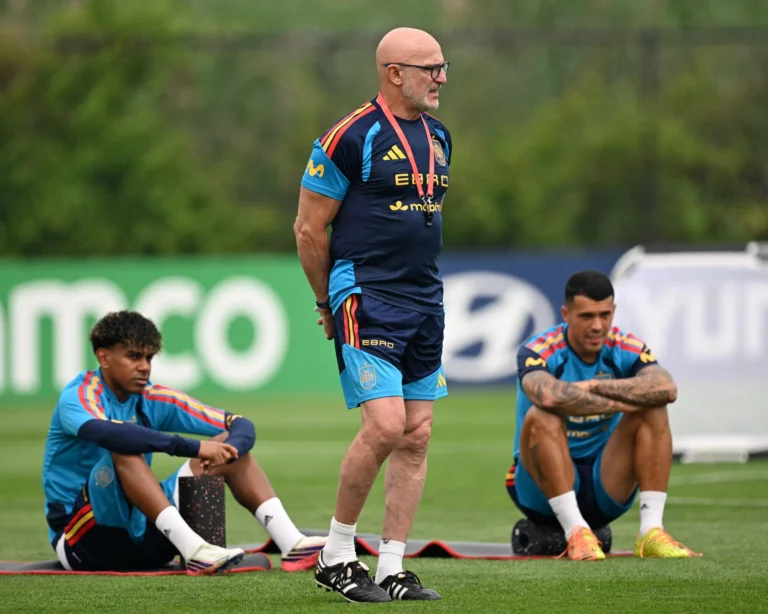
Current head coach Luis de la Fuente has deeply embraced this philosophy, having dedicated decades to youth development both at the club and national levels, supported by long-time associates. On the field, players like Rodri exemplify this style, showcasing their skill as the world’s best.
In the semi-final, Spain’s idealism outshone French individual talent, vividly highlighted by the second goal scored by full-back Pedro Porro, who found the net unmarked in the penalty area.
Spain’s influence across Europe is substantial, fueled by its recent dominance. The nation has claimed three of the last five European Championships (2008, 2012, 2024) and is the most successful country in European club competitions this century. Spanish coaches are in high demand across premier leagues, having spread their philosophies throughout Europe for years, while the women’s team also holds the title of world champions.
The World Cup has underscored how the global style of football is predominantly shaped by a Spanish-led Europe. Currently, the international elite tend to look to the models established by clubs like Barcelona, Paris Saint-Germain, and Arsenal. Wherever coaches adopt this guiding philosophy, they witness sporting advancement. This reaffirms a long-held belief: the caliber of coaching directly influences the quality of the sport.
It is a misconception that coaching methods have universally transformed; rather, there is a convergence at the elite level. This is particularly true in France, especially since Luis Enrique transformed PSG into Europe’s top club. Didier Deschamps has long personified this philosophy. Although he fell short of reaching a third consecutive World Cup final, he is passing on a promising team.
England’s squad reaps the benefits of the Premier League, regarded as the world’s strongest league, known for its international diversity. The players are physically robust and seasoned. Leaders like Jude Bellingham and Harry Kane aspire for greatness after a 60-year drought. However, in the semi-final, their opponents’ stronger identity prevailed.
Thomas Tuchel successfully shaped his squad into a well-functioning unit throughout much of the tournament. However, the team lacked notable star power and struggled to elevate its performance consistently. Ultimately, he lost confidence in his lineup against Argentina, and his substitutions weakened the team’s stability and composure, leading to their downfall.
Success emerges where, alongside a guiding philosophy, there is exceptional individual talent, as seen in Norway with Erling Haaland and Martin Ødegaard. Even in the absence of such talent, teams that adhere to a clear philosophy remain competitive. Countries like Canada (Jesse Marsch), the USA (Mauricio Pochettino), and Ghana (Carlos Queiroz) have appointed coaches with European experience. This trend is now extending to Brazil (Carlo Ancelotti), where the unique wealth of past talent has diminished.
Morocco benefits from a significant portion of its squad trained in European academies or playing in top European leagues. Its geographical proximity to Andalucía is an advantage, and the nation is set to co-host the 2030 World Cup. Tactically, the team mirrors Europe’s elite, with other African nations also adopting compact defensive structures, exhibiting organization out of possession, and proving difficult to defeat. Their players and coaches look to Europe for strategic inspiration.
This tournament saw six European teams reach the quarter-finals. Of the starting lineups, 84 out of 88 players were contracted to European clubs last season. The remaining four had played in Europe before moving to other continents after age 30, including Lionel Messi. With one exception, every goal-scorer from the winning teams in the quarter-finals and semi-finals played for clubs that have reached a Champions League final in the last decade: Real Madrid, PSG, Arsenal, Liverpool, Atlético, Inter, Chelsea, and Tottenham. True excellence is cultivated in Europe.
Nevertheless, it is entirely possible that the world champion could emerge from South America for the second consecutive time. Argentina has also established a model: defensively sound, focused on physical duels, and prioritizing security. Football is viewed as an existential battle, deeply embedded in their culture. With the exception of Brazil, all South American teams have been led by Argentinian coaches.
A prime example is Lionel Scaloni, who has the opportunity to become the first coach since Italian Vittorio Pozzo in 1938 to defend a World Cup title successfully. Scaloni spent a decade as a professional in Spain, where he began his coaching journey as an assistant. He was mentored by De la Fuente, who he will face in the final. It’s a small world in football.
Philipp Lahm’s column was produced in collaboration with Oliver Fritsch at the German online magazine Die Zeit.
- World Cup 2026
- Argentina
- Spain
- World Cup
- comment