


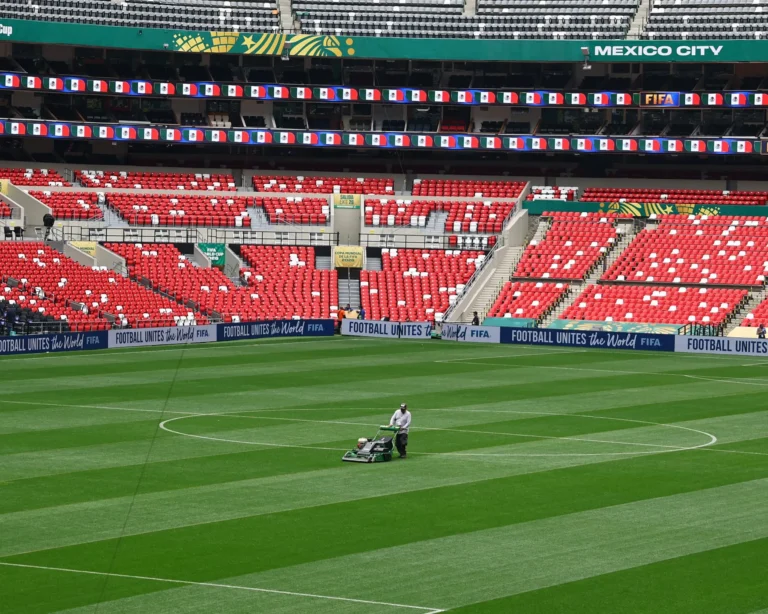
In Mexico City this week, the presence of legendary former Real Madrid striker Hugo Sánchez is unmistakable, as he promotes various products. Raúl Jiménez appears on several billboards, alongside Toluca’s Alexis Vega, yet Sánchez remains the most prominent figure. Football advertisements dominate the landscape, with a FIFA sign partially obscuring the arrivals lane at the airport, a possible metaphor for the straightforward immigration process. The city’s already congested traffic is further complicated by a teachers’ strike and related street protests, while vendors sell counterfeit Mexico jerseys on the streets.
The atmosphere may not fully reflect a pre-tournament frenzy. Murals in Coyoacán have started to incorporate football themes, with some portraying the iconic Frida Kahlo looking skeptically at the sporting chaos. Although flags hang in various bars and cafes, the enthusiasm of waitstaff and taxi drivers when encountering World Cup travelers suggests that the excitement has not yet peaked. Traffic congestion might indicate heightened anticipation, but many locals seem to temper their expectations for the national team, feeling overshadowed by the spectacle surrounding Donald Trump.
As the city navigates its own turbulence, with additional demonstrations planned by teachers, retired judges, and activists advocating for the families of the 134,000 individuals who have gone missing, the World Cup has yet to make its impact felt.
This World Cup is already marked by controversy, stemming from visa complications, exorbitant ticket prices, and FIFA president Gianni Infantino’s overtures to Trump. While it remains unlikely, there’s a possibility that growing discontent could catalyze a serious push for reform within FIFA. Nevertheless, the tournament is poised to commence, starting with Mexico’s match against South Africa, followed by South Korea’s face-off with Czechia. The trajectory of the tournament remains uncertain.
Even under the best conditions, the tournament could unfold gradually, with 72 matches required to eliminate teams ranked 33rd to 48th, in contrast to the 48 matches needed to eliminate those ranked 17th to 32nd since 1998. The sheer scale of the World Cup might sustain interest, yet many final group stage games are likely to feature teams that have already secured their advancement. This raises concerns that the intensity might be abrupt when it arrives in the knockout stage.
Historically, teams like Argentina have bounced back from initial defeats to clinch the World Cup, as evidenced by their recovery after losing to Saudi Arabia, mirroring Spain’s comeback in 2010 after a setback against Switzerland. Should they falter again in the last 32 against comparable opponents, both teams could face elimination, a scenario that may not bode well for the overall tournament. The current format, seemingly devised out of thin air by Infantino during the 2022 World Cup, raises doubts about its effectiveness.
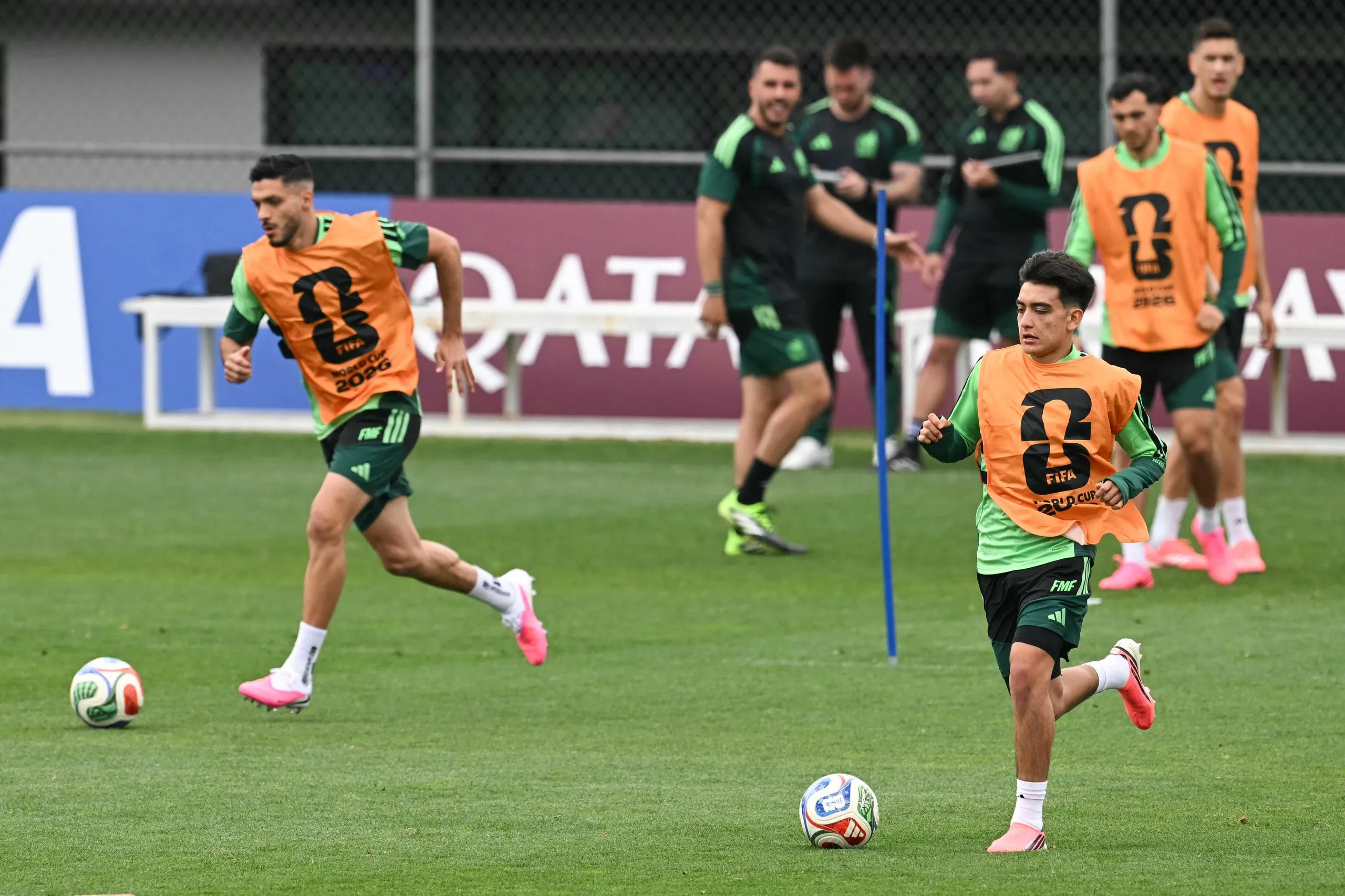
After claiming the Concacaf Gold Cup last year, Mexico struggled to find their rhythm, going winless in their last six friendlies of 2022. However, they have since regained momentum, securing six victories in eight matches and drawing against both Belgium and Portugal. It remains uncertain if Vega fits into Javier Aguirre’s planned 4-3-3 formation, but a decisive 5-1 victory over Serbia last Friday suggests the team may be hitting their stride at the right moment. Hopes for a revitalized performance following South Africa’s semi-final run in the 2023 Cup of Nations have dimmed, as they faced an early exit in the last 16 at the 2025 Cup of Nations against Cameroon and have failed to win any of their recent friendlies.
Mexico has previously reached the quarter-finals in both World Cups they hosted. To replicate that success, they would need to overcome England in the last 16, assuming seedings play out favorably, with England being one of the four teams strategically kept apart until the semi-finals. This positioning seems justified, although they are likely to suffer from fatigue more than any other squad given the demanding nature of the Premier League.
With the Club World Cup and an expanded Champions League behind them, the heat and humidity across many venues pose significant challenges, making player fatigue a critical issue. Spain showcased their strength in winning the Euros in 2024, boasting a midfield adept at controlling possession—an invaluable asset under the prevailing conditions. However, injuries to key forwards may hinder their previously effective direct approach.
The extended tournament necessitates meticulous management of player fitness and minutes, with no team having a deeper roster than France’s. Didier Deschamps’ traditional tactics may have somewhat limited France since their 2018 World Cup triumph, yet a cautious strategy combined with a talented forward line could prove successful. In the absence of a standout contender, both France and Spain emerge as strong favorites.
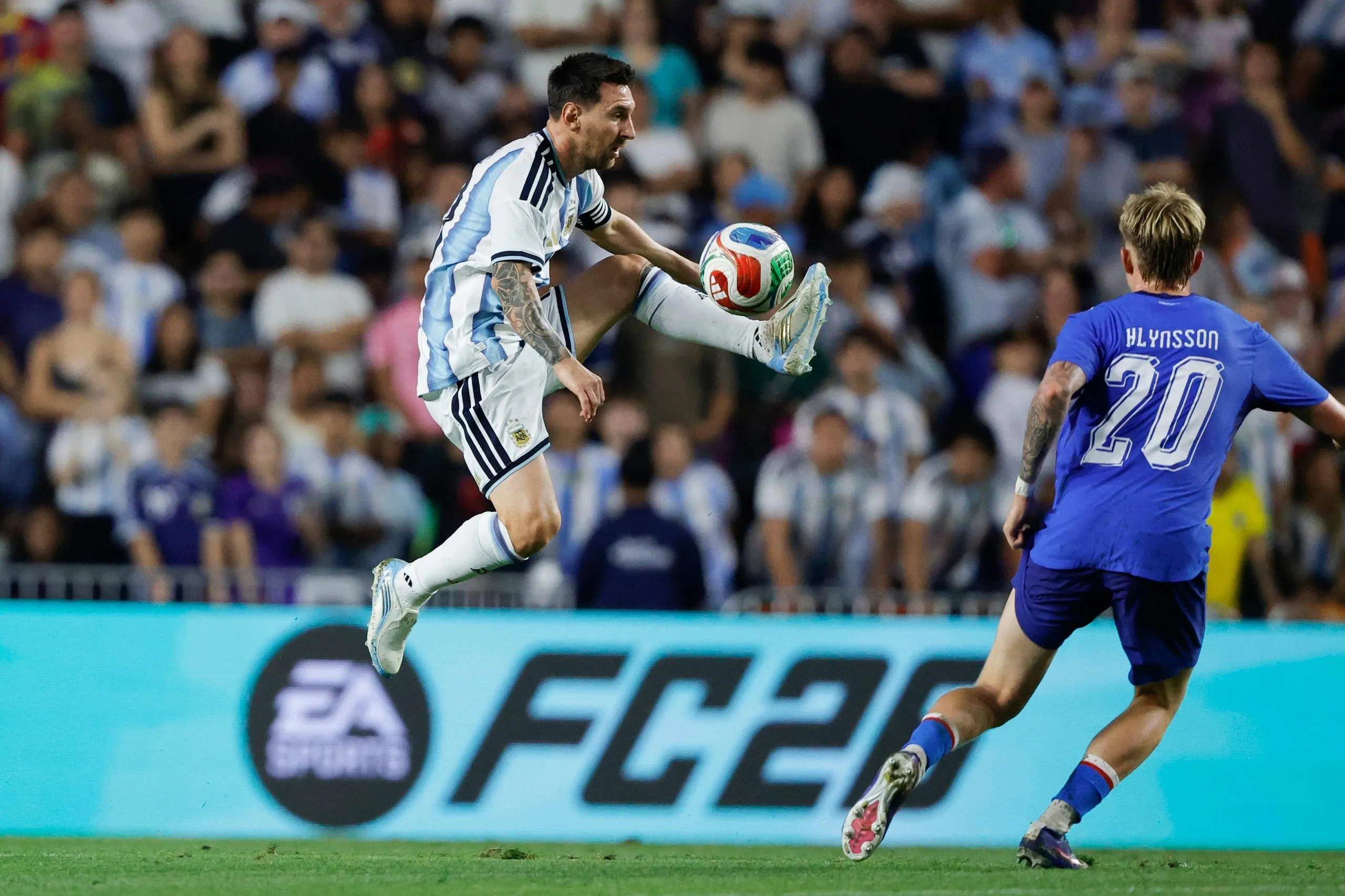
Argentina once again leans on Lionel Messi, who will be 39 during the tournament, while Cristiano Ronaldo, at 41, poses a significant hurdle for Portugal as they seek to break their drought with an exceptional midfield. Brazil continues to grapple with unresolved midfield challenges, and injuries have also plagued the Netherlands. Morocco and Senegal present credible threats, while Japan, despite a setback with Kaoru Mitoma’s injury, could emerge as a serious challenger from outside Europe and South America.
Yet, all of this feels distant. With nearly six weeks remaining until the final, the muted intensity of the group stage may explain why so much attention has been diverted to the various controversies involving Trump and FIFA, rather than the matches themselves.
Typically, outrage regarding World Cups tends to fade once the action begins. However, this time, the prevailing disgust and the ambiguous nature of an expanded group stage might prevent that from occurring. Alternatively, if Vega sets up Jiménez for a goal in the Thursday opener, perhaps the negativity will dissipate, and even Frida Kahlo might find a reason to smile.