


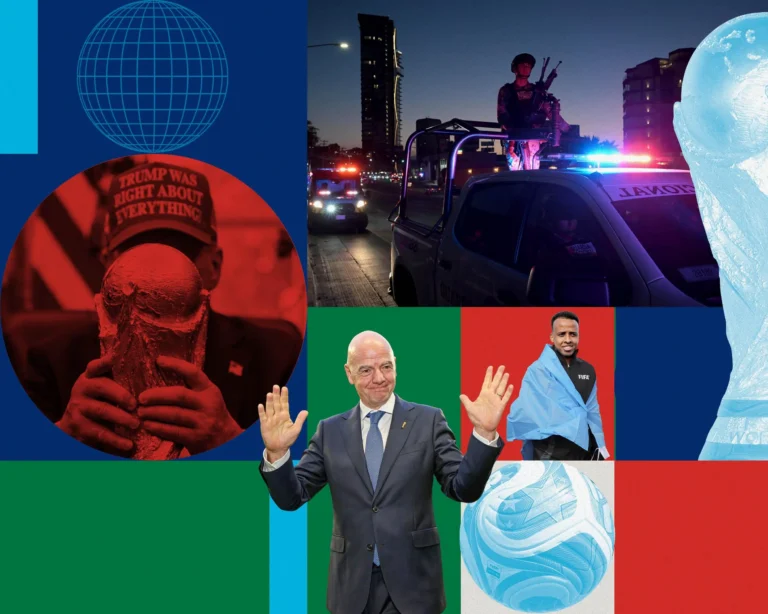
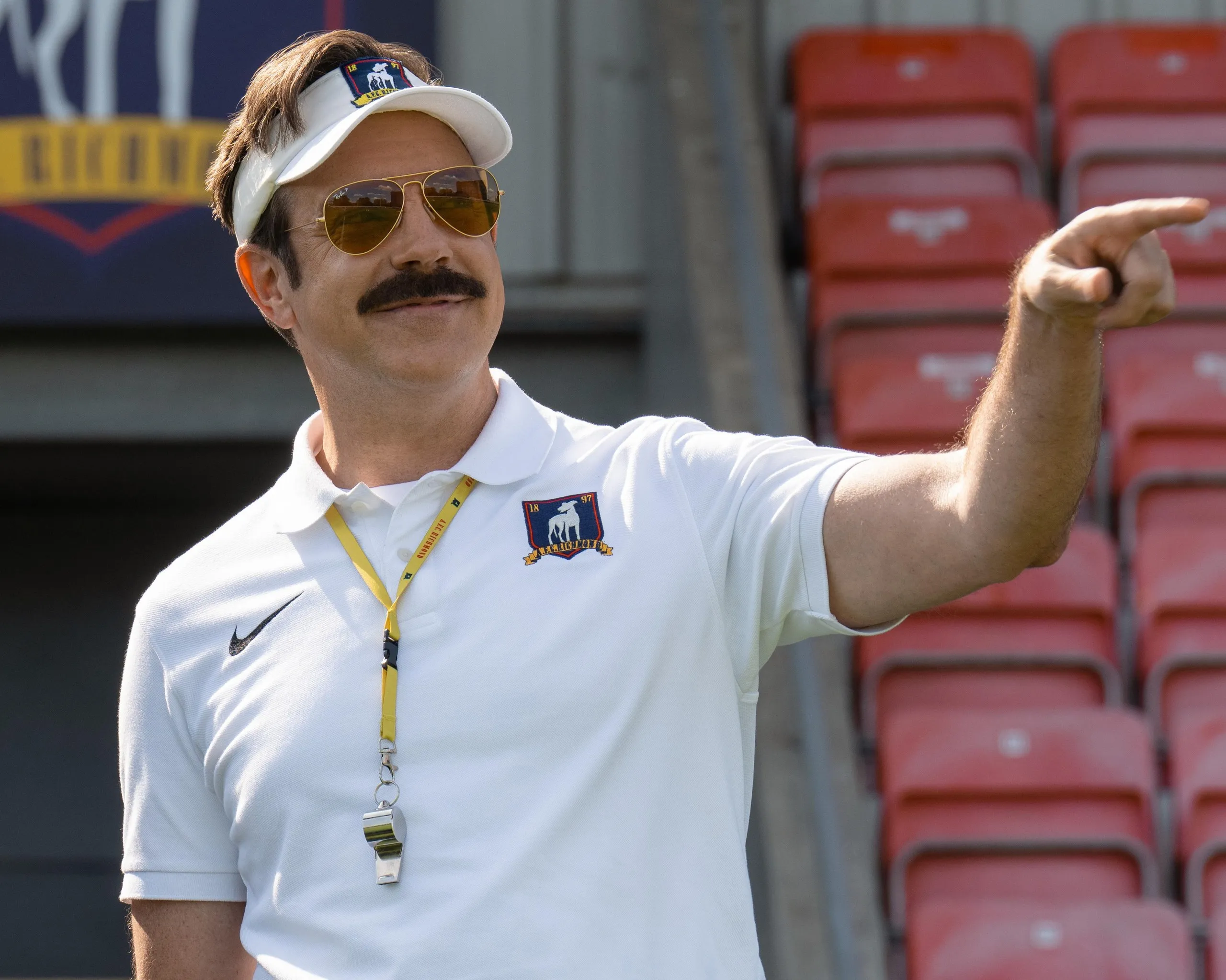
As the Fifa World Cup kicks off in the United States, actor Jason Sudeikis, known for his role as Ted Lasso, will address hundreds of millions of viewers just before 6pm local time on Friday. He is set to declare that “Pediludus Coniungit Mundum” a hopeful message that feels starkly ironic given the current context.
Sudeikis’s words will resonate amid a troubling backdrop where the U.S. is engaged in military actions against the second-ranked nation in Group G, following the assassination of its leader. This situation unfolds under the watch of President Donald Trump, who has launched six military conflicts during his second term, while his divisive immigration policies have barred Omar Artan, the reigning African referee of the year, from participating.
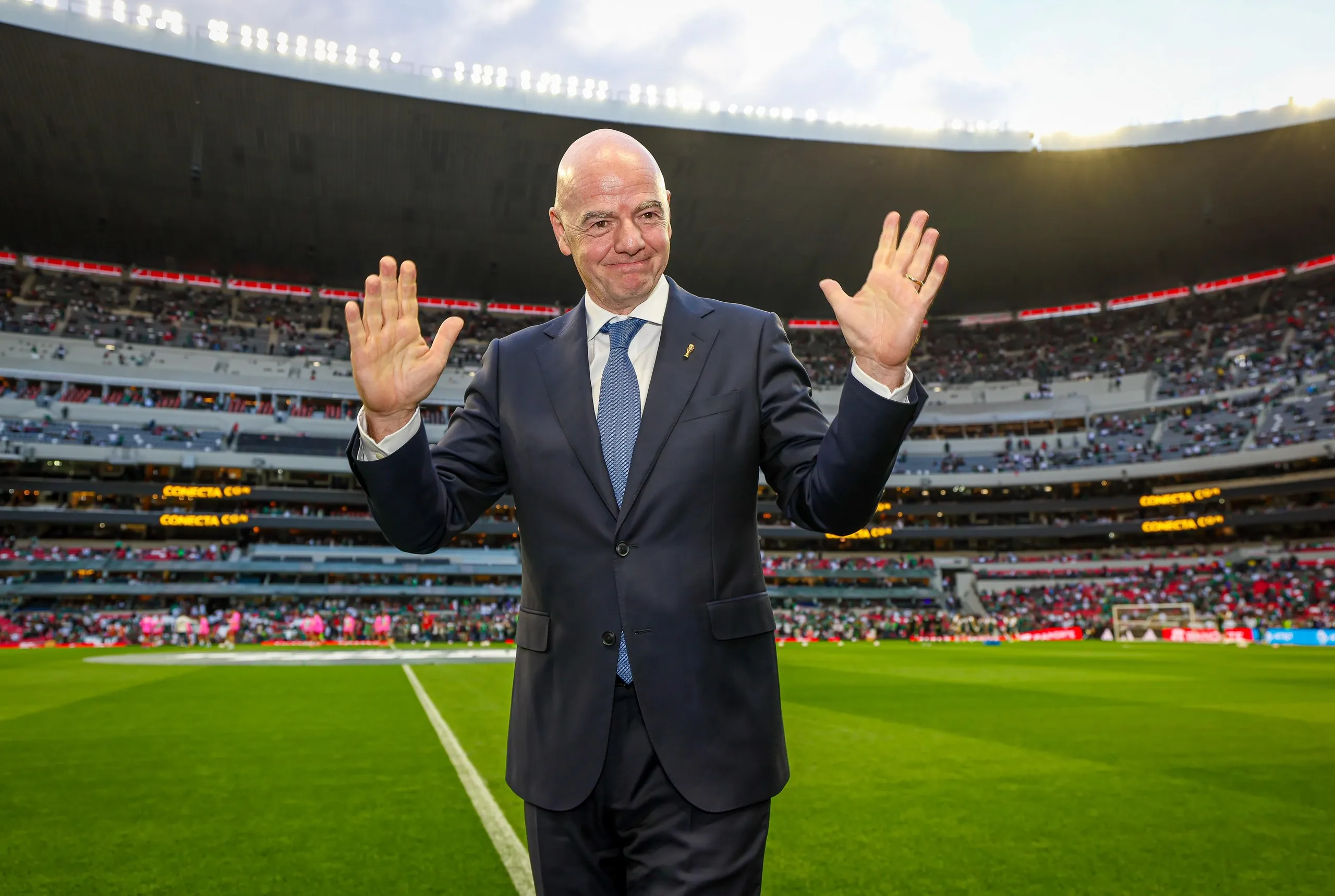
It remains uncertain how Gianni Infantino, Fifa’s president, will interpret Sudeikis’s message. Infantino, who often claims that football unites the world, does so with a Latinized twist, stating “Pediludus Coniungit Mundum”—a phrase that seems more fitting for his trophy than the current geopolitical climate.
In this context, Infantino appears likely to embody more of Trump’s aggressive demeanor rather than a benevolent figure promoting football’s unifying power. His apparent indifference towards the exclusion of a Somali referee and the 39 other football officials barred from entering the U.S. underscores a troubling reality.
As the World Cup progresses into its ostentatious early rounds, characterized by flag waving and ceremonial gestures, the discourse shifts towards America’s role in sportswashing and the implications of its imperialistic actions under Trump. This tournament marks a pivotal moment, with the opening event in Los Angeles representing the first World Cup hosted by a nation currently involved in both a global war and an economic crisis, all while eluding substantial scrutiny.
While Qatar’s issues were overtly apparent, with its World Cup built on the exploitation of migrant labor, the U.S. has largely avoided similar exposure. The country, self-proclaimed as the global guardian of democracy, paradoxically stands as the only World Cup host to restrict attendance for Fifa members, presenting a starkly divided and hostile image of football uniting the world.
This narrative did not have to unfold in this manner. Football enjoys deep roots within many immigrant communities across the U.S. Two consecutive summers of World Cup festivities could have fostered unity and collaboration. Instead, Trump’s administration has targeted its own populace, intensifying the toxic rhetoric surrounding race and immigration.
The exclusion of a Somali referee reflects more than mere enforcement of rules; it serves as a deliberate political statement aimed at Trump’s support base. This illustrates the nature of American isolationism, which seeks to frame outsiders as adversaries while portraying internal challenges as paramount.
From a global perspective, this isolationism manifests as unilateral military aggression, raising critical questions about the appropriateness of the U.S. as a World Cup host. The unique circumstance of Iran’s participation in this tournament, particularly as they prepare to compete just days after the U.S. and its allies’ military actions, adds another layer of complexity.
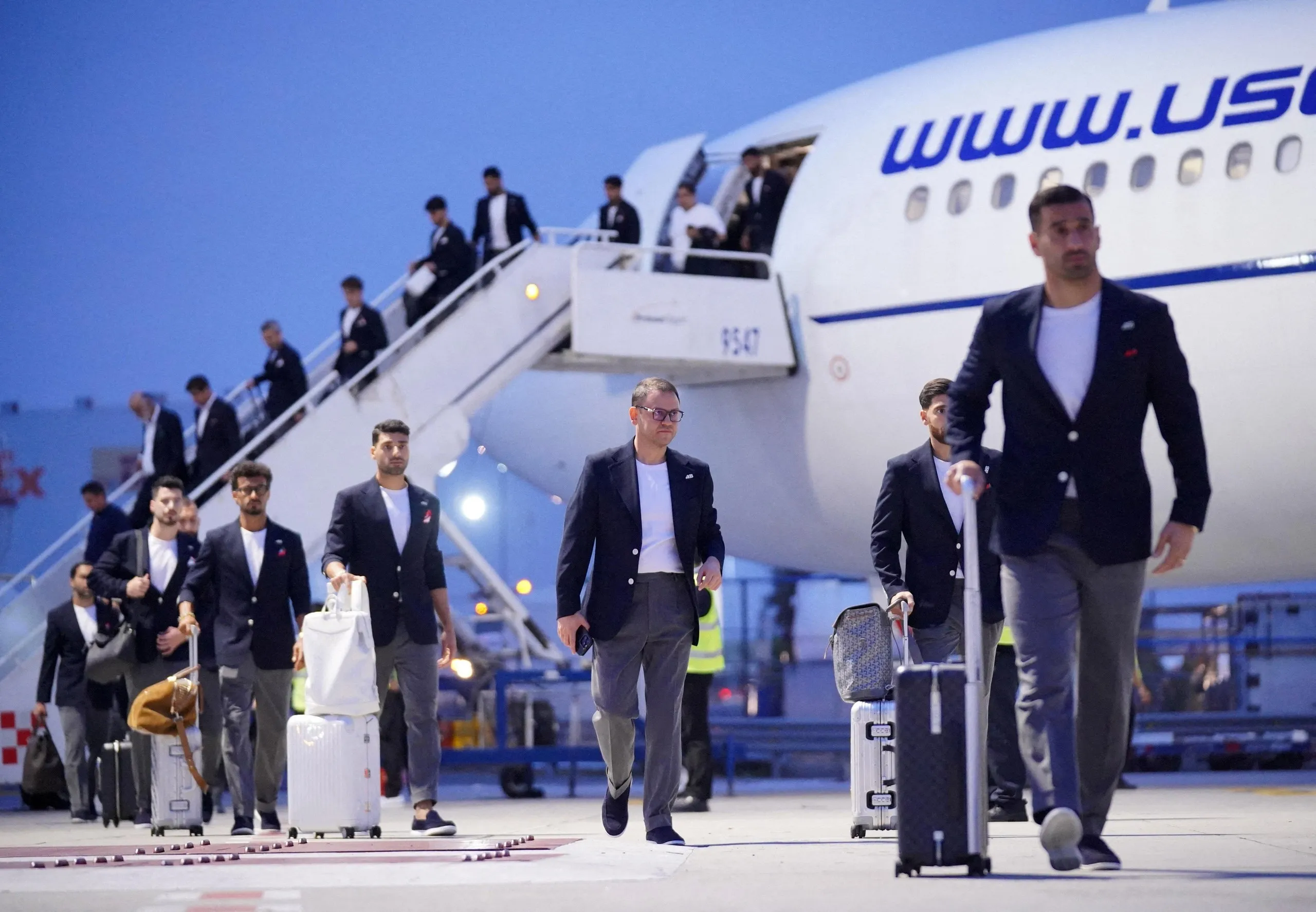
The issues concerning Iran extend beyond logistical challenges for their team; they highlight the broader context of U.S. and Israeli military interventions that have disrupted global stability. As these actions result in a potential economic crisis, the world faces increasing fuel shortages, leaving nations scrambling for solutions.
Why does the U.S. operate with such impunity? Is it a reflection of misplaced loyalty to its most powerful allies, or a persistent belief that its actions in the Gulf benefit the global community? American isolationism under Trump appears less about erratic behavior and more about a calculated economic strategy aimed at generating wealth through disruption.
Despite the risks, Trump’s administration remains insulated from the fallout of its actions, while the world carries the burden. In the meantime, a celebration unfolds in the U.S., overseen by Infantino, who seems enamored with authoritarian leaders rather than focusing on the sport’s integrity.
Infantino’s deep entrenchment within Fifa raises questions about his leadership as the organization faces potential challenges in the future. This World Cup, which represents the culmination of his ambitions, may also signify an instance of overreach. As football continues to navigate through crises, the extent of its resilience and the depth of its connection to fans and communities will soon be tested.