


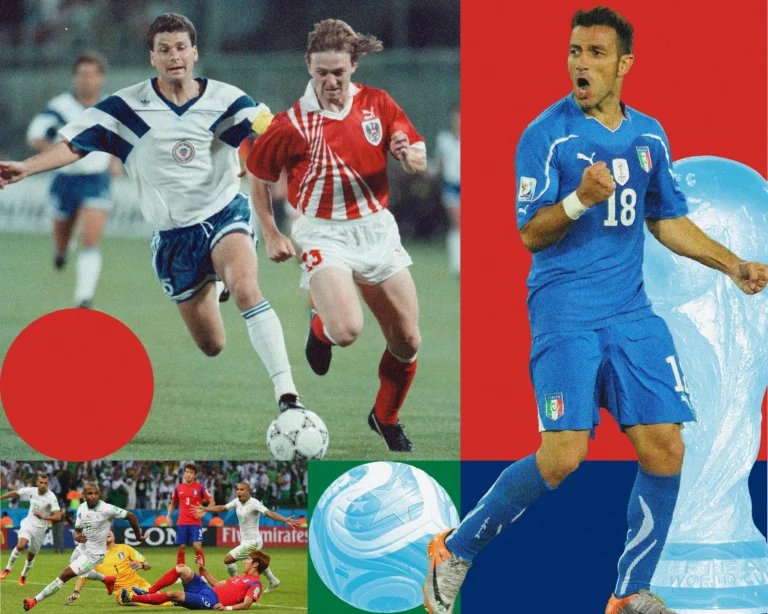
The initial World Cups, while charming in their own right, often lacked the breathtaking goals that fans have come to expect today. This absence is understandable given the challenging conditions players faced during that era: muddy pitches, heavy leather boots, and balls that felt more like weights than sporting equipment.
However, there were moments when players managed to break through these limitations to produce World Cup goals that have become legendary. For example, Lefter Kücükandonyadis’s spectacular strike for Turkey against South Korea in 1954 or Pelé’s dazzling run against Mexico in 1962 are just two instances. Wales, on their inaugural World Cup journey, also had a memorable moment to share.
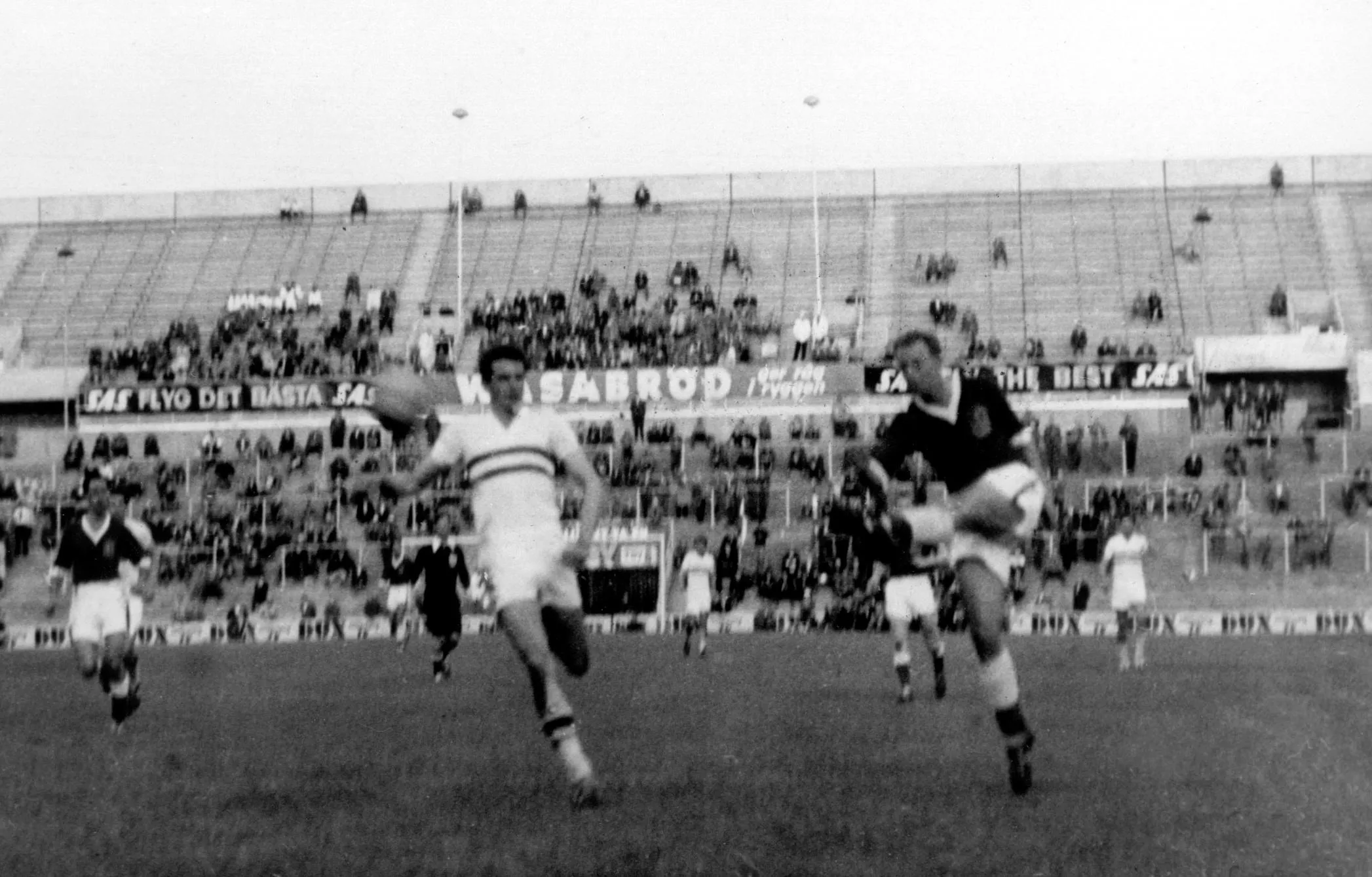
Discussions about the 1958 Welsh team typically center around John Charles, yet he was not their sole star. Ivor Allchurch, a fellow blonde from Swansea, had already netted a goal in their 1-1 draw with Mexico, a result that led to a playoff against Hungary, during which he delivered one of Wales’s most iconic goals.
In Solna, in front of a modest crowd, which included some mourners dressed in black for the recently executed Hungarian leader Imre Nagy, Hungary took the lead through Lajos Tichy in the first half. However, early in the second half, Charles flicked a pass from Derrick Sullivan to Allchurch, who unleashed a stunning volley that found the top corner. Later, a blunder from goalkeeper Gyula Grosics allowed Terry Medwin to score the winner, propelling Wales into a quarter-final against Brazil—albeit without the injured Charles, who had been targeted by Hungary’s aggressive defenders.
Andrzej Buncol, Poland 5-1 Peru, Group 1, 1982
Group 1 during the 1982 World Cup in Spain is primarily remembered for Italy’s struggle to secure three draws, which allowed them to advance to the next round, where they eventually found their form against Argentina and Brazil. Poland, however, initially struggled, failing to score against Italy and then managing an unusual goalless draw against Cameroon.
At halftime in their match against Peru in A Coruña, with qualification on the line, the Polish team found themselves in a frustrating 0-0 deadlock. They had hit the post three times, yet their quest for a goal remained unfulfilled. Manager Antoni Piechniczek addressed his players, stating, “If we don’t win this, for me it’ll be the end of the adventure with the national team, but for most of you too. The next manager might not pick you.” Star player Zbigniew Boniek then passionately declared, “We must finally score this goal!”
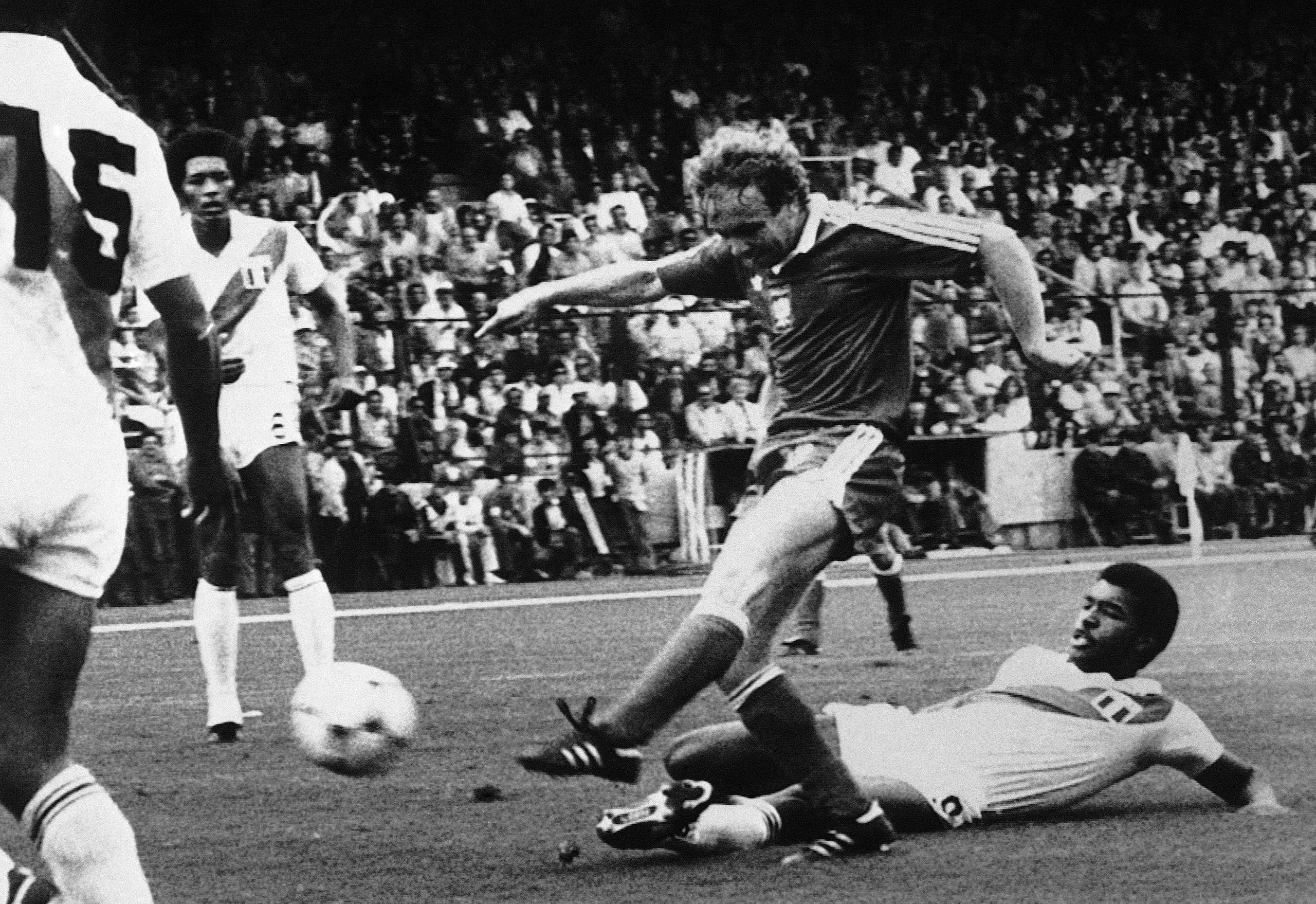
This rallying cry sparked a transformation as Poland dominated the second half. After a series of lackluster defensive efforts from Peru allowed Wlodzimierz Smolarek, Grzegorz Lato, and Boniek to score, they crafted one of the most memorable team goals of the tournament.
When Peru’s renowned playmaker Julio César Uribe lost possession cheaply, Lato surged down the field, and after Boniek cleverly let a pass roll through, Andrzej Buncol received it. Spotting Boniek’s run, Buncol returned the ball with an exquisite backheel, then finished emphatically past goalkeeper Ramón Quiroga. The match concluded at 5-1, marking a significant turnaround for Poland.
Andreas Ogris, Austria 2-1 USA, Group A, 1990
Austria’s campaign in Italia ’90 was characterized by a series of tedious matches filled with rough tactics. They only managed to provide a moment of excitement 50 minutes into their third game, too late to impact their overall tournament outcome.
After losses to Italy and Czechoslovakia, Pepi Hickersberger’s squad entered their match against the USA scoreless at halftime, having also been reduced to ten men after Peter Artner’s dismissal. A spark was desperately needed, and Andreas Ogris provided it just after the break.
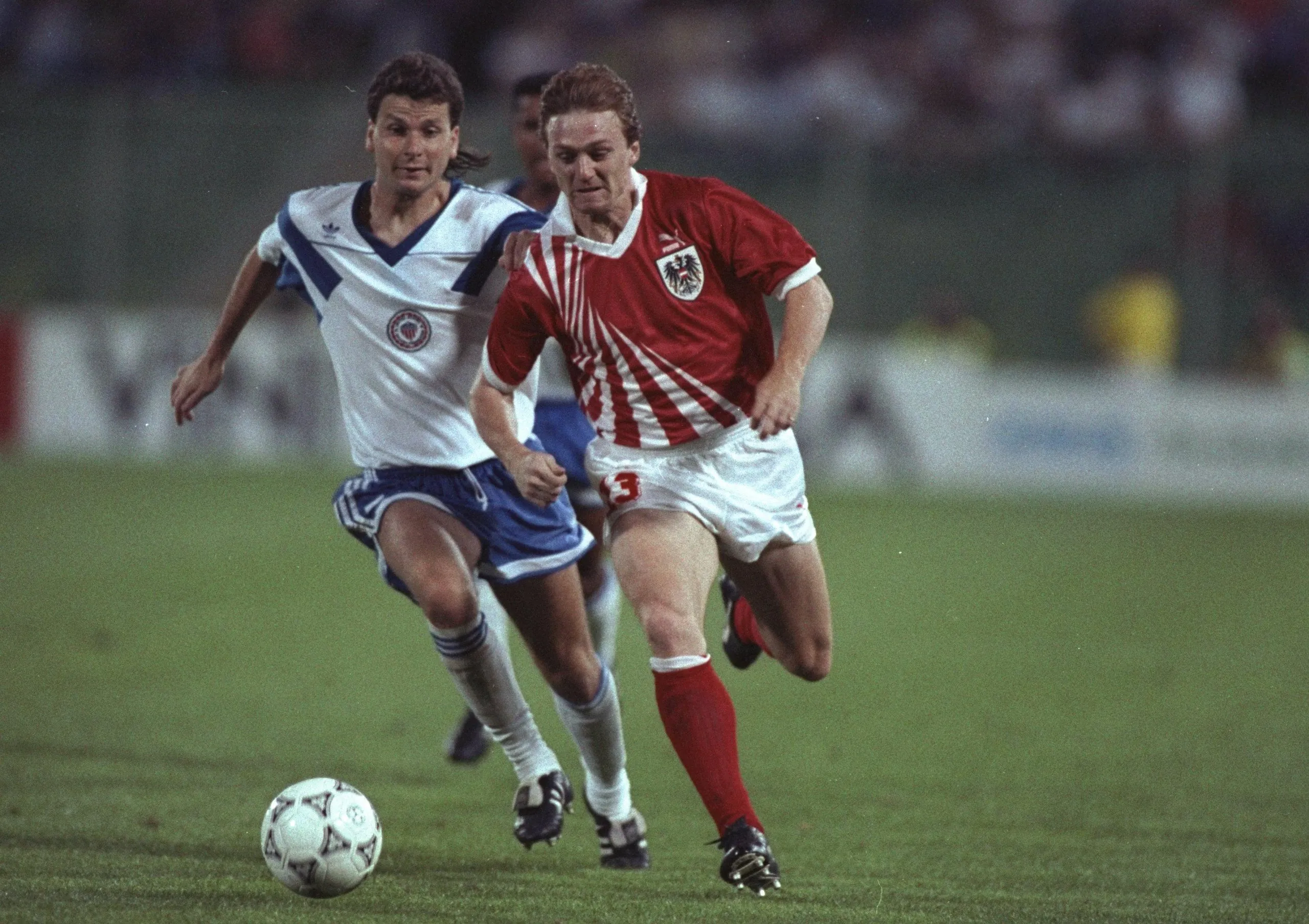
Ogris reacted swiftly when a USA corner was cleared, taking the ball past Jimmy Banks and embarking on a blistering 60-yard run. He left Mike Windischmann trailing before deftly chipping the ball over USA goalkeeper Tony Meola for a stunning goal. “I didn’t see any Americans,” Ogris remarked later. “I did what a footballer should do: I just ran away.”
Although Gerhard Rodax later scored to make it 2-0, Austria’s hopes of advancing were dashed when Bruce Murray netted a comical consolation goal. As the Viennese newspaper Kurier noted, “Ten players achieved a 2-1: now the quaking begins,” as they faced the prospect of drawing lots with Scotland. Ultimately, two days later, Daniel Fonseca’s injury-time goal for Uruguay against South Korea made Austria’s situation moot, and they exited the tournament quietly.
Pierre Njanka, Cameroon 1-1 Austria, Group B, 1998
Viewers tuning in for Cameroon’s 1-1 draw with Austria during France 98 might have lost interest well before the final whistle. The match featured a lot of rough play from Cameroon, aided by lenient officiating from Epifanio González Chávez. However, they demonstrated their capabilities when the opportunity arose.
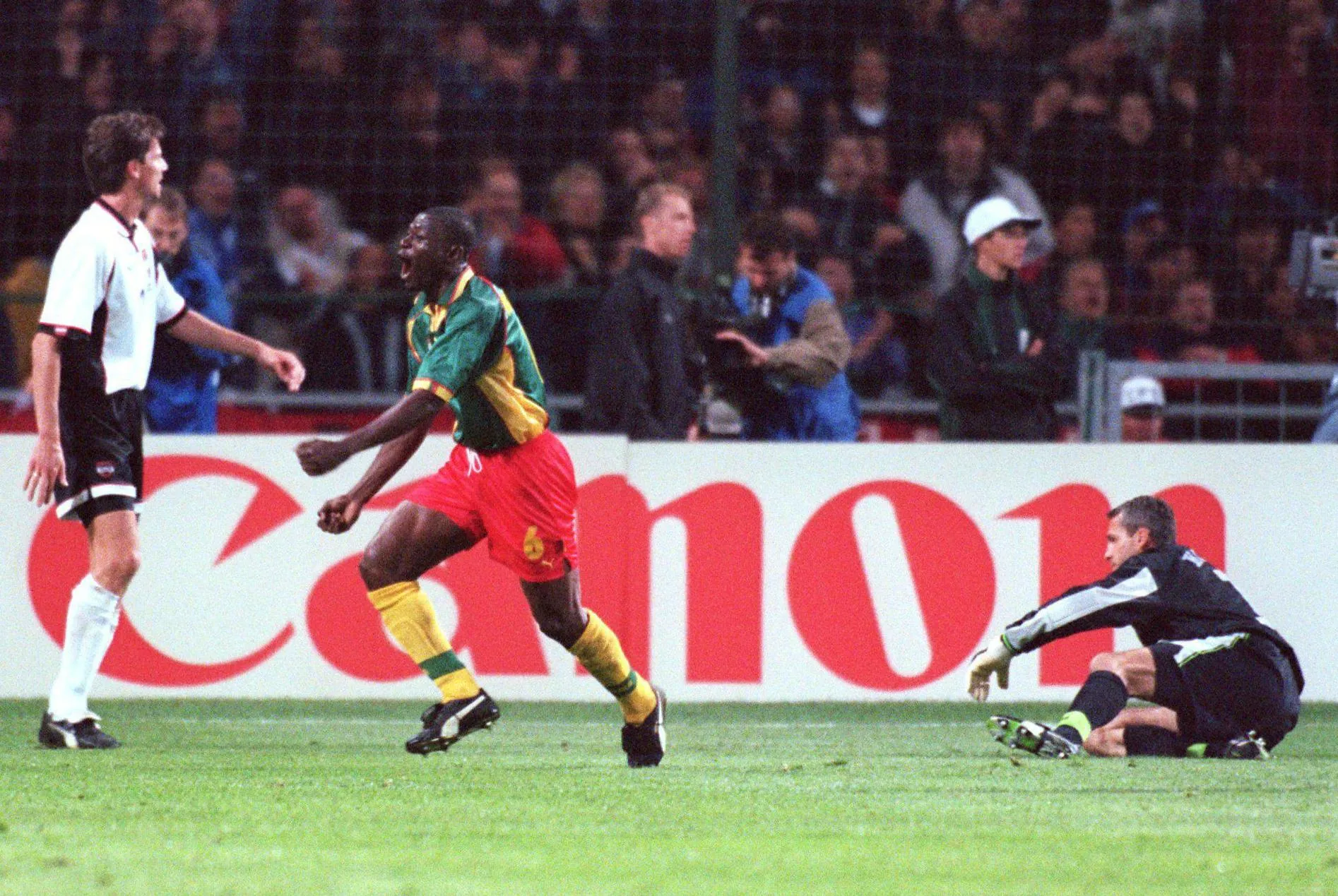
One such moment came when Pierre Njanka, a 23-year-old left-back from Olympique Mvolyé, made a remarkable run down the left flank with just 13 minutes remaining. He deftly maneuvered around Dietmar Kühbauer, stating, “but everyone was marked. So I just kept going.”
As Wolfgang Feiersinger lunged in too soon, Njanka evaded him and, with a clever turn, left Peter Schöttel behind before unleashing a perfectly placed shot past goalkeeper Michael Konsel. Unfortunately, Austria salvaged a point at the end when Toni Polster equalized from close range after a corner. “I wish it could have got us more than a draw,” Njanka reflected on his goal, “but it’s a beautiful memory.”
In contrast, Slovakia’s thrilling 3-2 victory over Italy in Johannesburg is remembered as one of the tournament’s standout matches. The contest only sparked to life in the 73rd minute when Robert Vittek scored to put Slovakia 2-0 ahead.
Italy, struggling and filled with underperforming players, needed at least a draw to keep their title defense alive. Yet, manager Marcello Lippi surprisingly waited until halftime to bring on Fabio Quagliarella for his first and only appearance of the tournament. The dynamic forward made an immediate impact in the second half, creating several scoring opportunities.
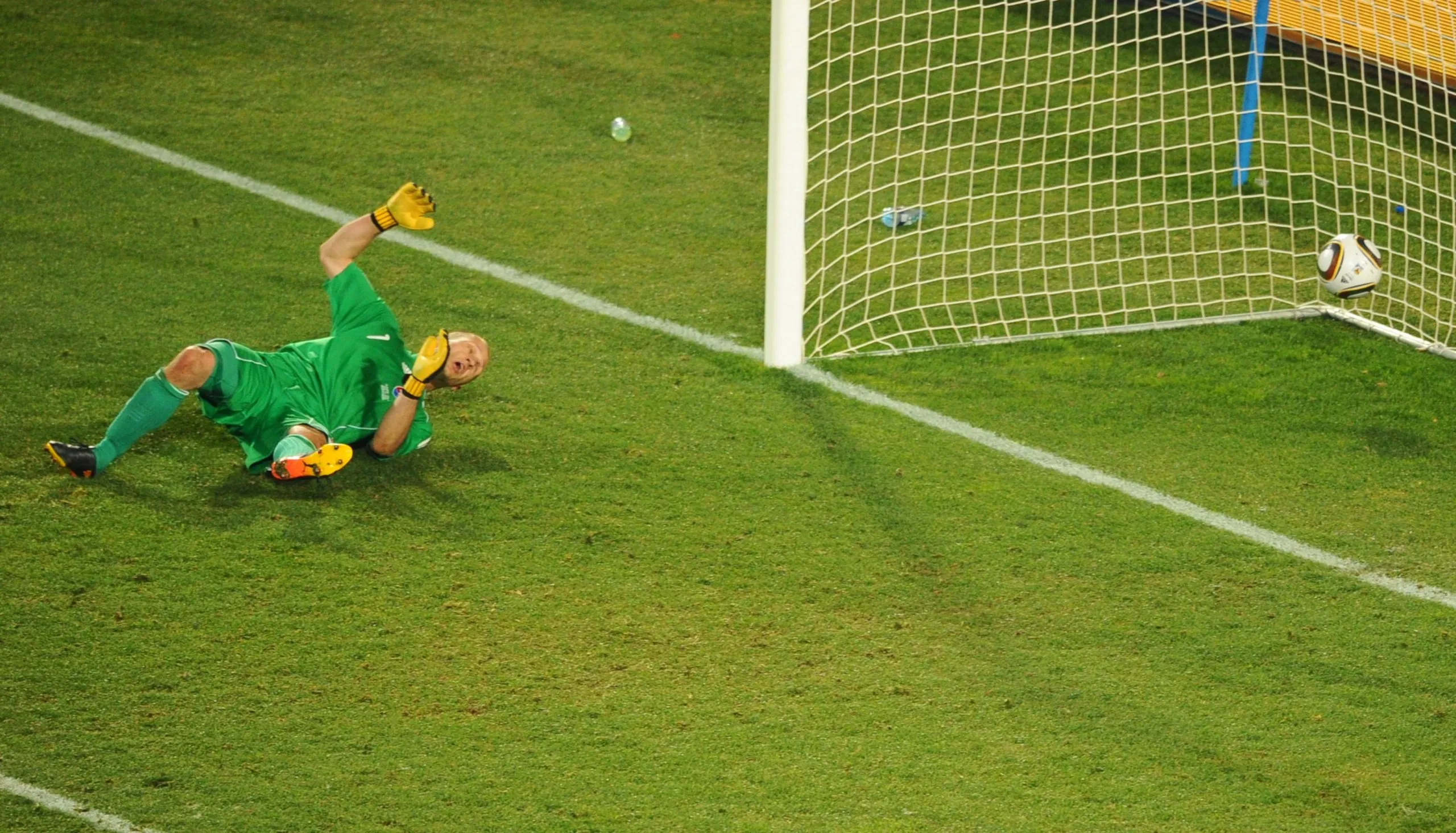
After Quagliarella’s attempt was blocked by goalkeeper Jan Mucha, Antonio Di Natale scored on the rebound to make it 2-1. Although Quagliarella had a goal ruled out for offside, he later scored a stunning equalizer in the 89th minute. Receiving the ball 25 yards out, he expertly chipped it over Mucha, who was caught off guard. However, Italy’s fate was ultimately sealed when Simone Pepe missed a crucial chance, leading to Quagliarella leaving the pitch in tears, his exceptional performance fading into obscurity.
Yacine Brahimi, South Korea 2-4 Algeria, Group H, 2014
Declan Lynch once wisely noted that “you should never not watch a match” While this might not be the most health-conscious advice, those who tuned into the uninviting clash between Algeria and South Korea in Porto Alegre in 2014 found themselves pleasantly surprised. World Cups often produce thrilling encounters between less heralded teams, and this was another example.
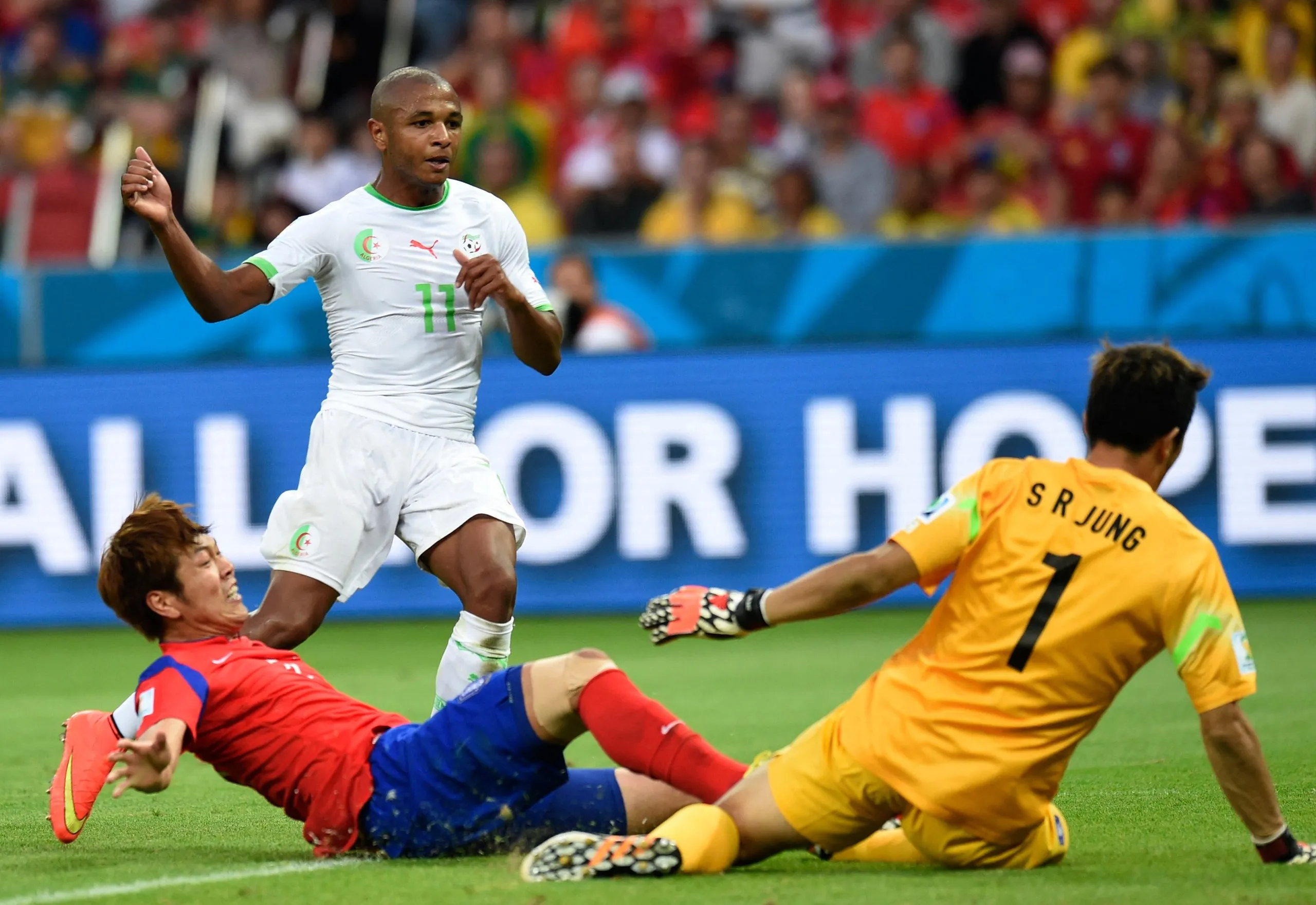
By the 38th minute, Algeria was leading 3-0, taking advantage of South Korea’s struggles with aerial balls. Although Son Heung-min scored early in the second half, Algeria sealed their victory with a beautiful team play in the 62nd minute.
Yacine Brahimi, who had been impressive throughout, capped off a delightful eight-pass sequence by bursting down the left, executing a give-and-go with Sofiane Feghouli, and sliding the return ball past goalkeeper Jung Sung-ryong. This goal made Algeria the first African nation to score four goals in a World Cup match, and it earned Brahimi a lucrative transfer to Porto, where he thrived for several seasons.
Jonathan O’Brien is the author of Glittering Prize: The Story of the World Cup Vols 1-3, out now through Pitch Publishing.