


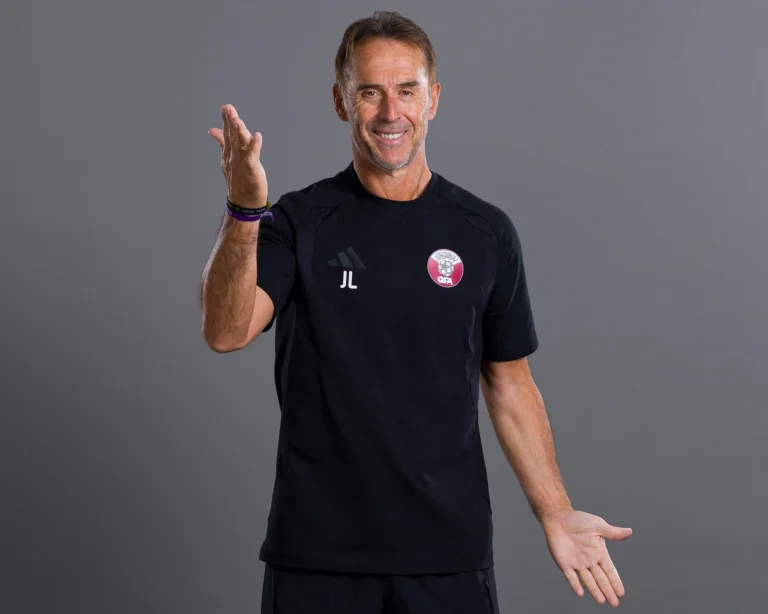
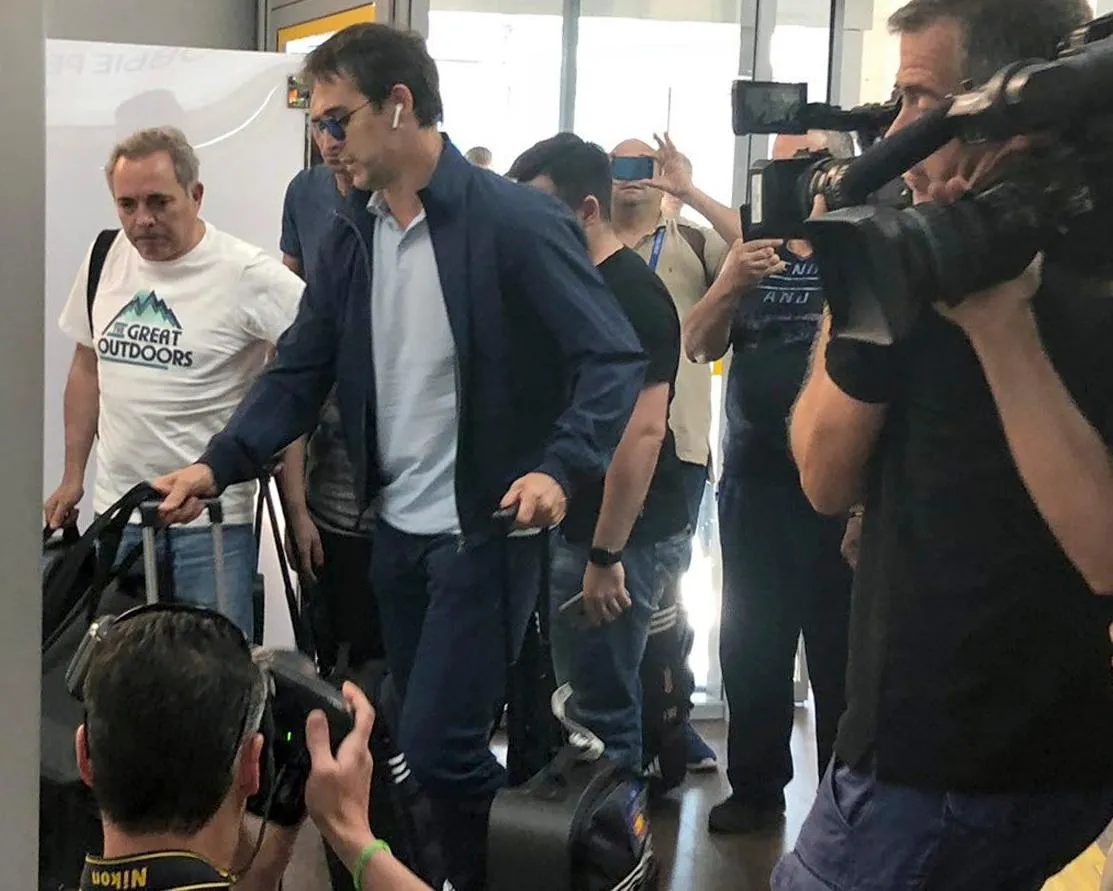
Upon arriving in Los Angeles at 2:12 PM on May 30, the Qatari national football team’s flight was met with applause from the passengers aboard the Boeing 777-300ER. For the 26 players stepping onto American soil, this marks their first-ever qualification for a World Cup. Their coach, Julen Lopetegui, is familiar with the stakes, having guided teams to this prestigious stage before, yet this time, he aims for active participation.
Reflecting in the dining area of the Montecito team hotel, Lopetegui stated, “Football didn’t owe me anything,” acknowledging the personal significance of this achievement. Just twelve months prior, a call from Doha presented numerous enticing opportunities, but above all, he emphasizes, this is the World Cup.
Lopetegui’s initial World Cup experience dates back 32 years to the United States, with his most recent appearance occurring in Russia in 2018. In 1994, he served as a third-choice goalkeeper, anticipating no playing time, and recalls that he might not have been fit even if called upon.
Eight years ago, he stepped into the tournament as Spain’s head coach, boasting an unbeaten record for over two years. However, he faced dismissal just a day before the tournament began after agreeing to take over at Real Madrid following the event.
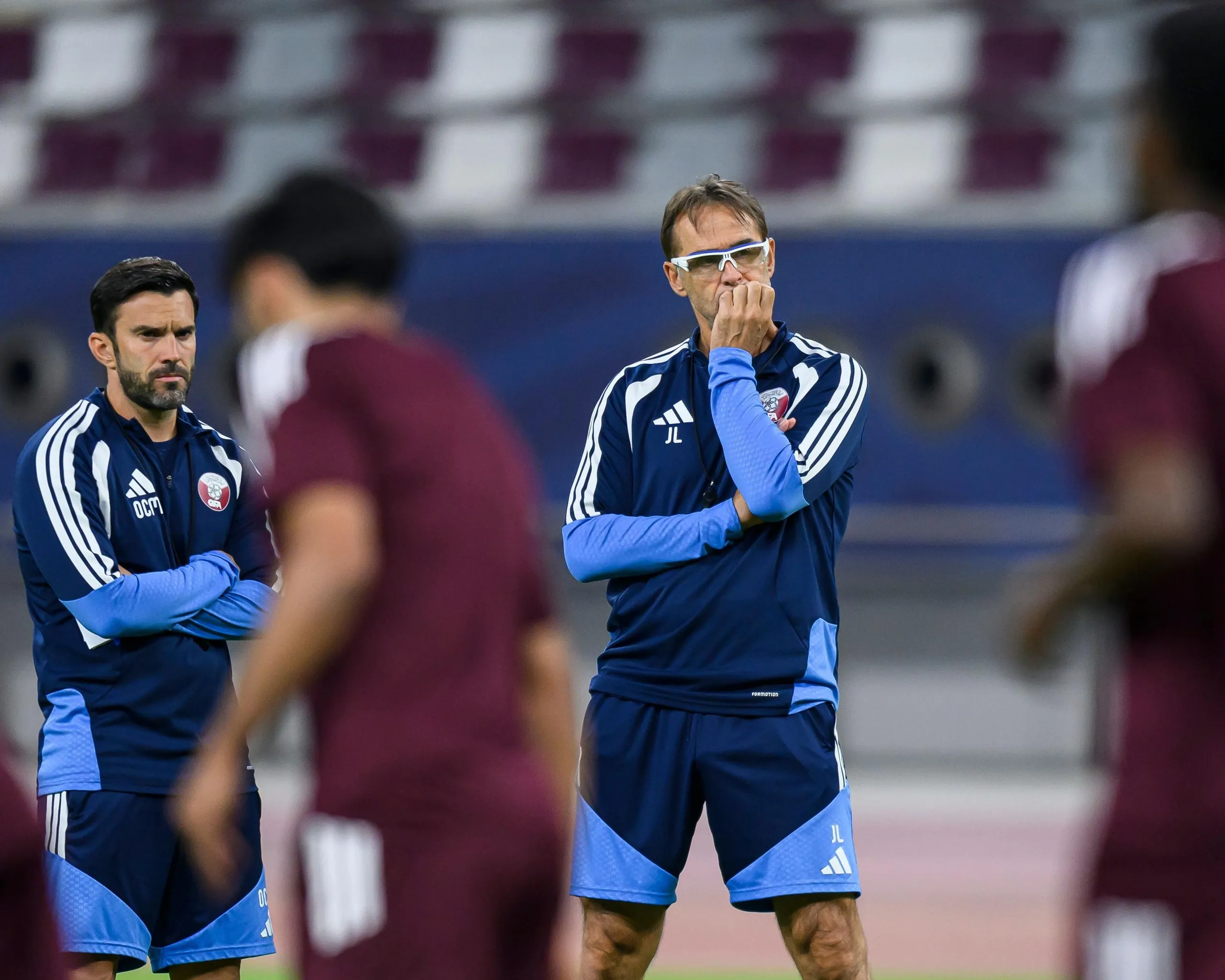
Now, he hopes for a change of fortune. While securing a match is one hurdle, achieving victory is another. Despite being perceived as the weakest team in the tournament, having faced challenges due to bombings and limited preparation, Lopetegui remains determined to compete.
He reminisces about the match that secured Spain’s qualification back in 1994, which was achieved against Denmark the previous November. “I was back-up goalkeeper to Zubi [Andoni Zubizarreta], but I suffered a back injury a couple of weeks before,” he shares, echoing the tone of coach Javier Clemente as he recounts the story.
“I had two herniated discs. I rang Javi and said: ‘Javi, sorry, I’m not in a fit state to be called up because if I have to play I don’t think I can’. And he says, very Clemente: ‘Bah, don’t be daft. Like an old man’s going to get flu on a Monday.’ I shouldn’t worry; I wasn’t going to be needed. I said: ‘Yes, but if he does get flu I can’t come on.’ ‘Right, I’ll call that Santi kid from Celta’.”
“what had to happen, happened. Clemente called up Santi Cañizares and, although the old man didn’t get flu, Zubi did get sent off, 10 minutes in, the only red in his [international] career. Santi comes on, plays very well, wins the right to be No 2, later No 1. “Although I wasn’t playing well at Logroñés, struggling with the injury, Javi called me up as third-choice as a reward for that gesture. I couldn’t enjoy it much because I was living with a lot of pain, but I did what I could, knowing I wasn’t going to play and supporting everyone, contributing my bit.” Lopetegui chuckles, “Nuno [Espírito Santo], [Dino] Zoff, [Walter] Zenga, [Ricardo] La Volpe …”
“But if you’re a sub goalkeeper you watch most games from next to the manager.”
Lopetegui distinguishes himself among World Cup coaches, being one of only three—alongside Hong Myung-bo and Ronald Koeman—who participated as players in the 1994 tournament. As the only goalkeeper among them, he finds it challenging to name many goalkeeping coaches.
“there was no point asking Johan how to defend”
He then bursts into laughter, adding, “There’s a photo from the Super Cup final, one of the few games I played, and nine of that starting XI became coaches.”
Not just any manager, however: after the 1994 tournament, Lopetegui joined Barcelona, where he found himself as a backup, sitting on the bench near Johan Cruyff. He recounts this experience as unique, despite admitting, “It was the saddest day of my life,”
Cruyff inspired curiosity among his players, Lopetegui notes. “No. There’s no time for that. But you think about it. I’ve lived many wonderful experiences, but, yes, that one too. “I haven’t stopped working since, you don’t look back, and that experience gives you a thicker skin. You learn from them, too. But if you asked me: ‘Would you do the same again?’ One hundred per cent. Why? Because we always took what we thought were the right decisions from a position of deep respect for our responsibilities.”
He also highlights the Spanish football culture and coaching ethos that emphasizes teamwork, alongside the Basque influence that shaped him, Mikel Arteta, Xabi Alonso, and Andoni Iraola from the same small region. Growing up as the son of a champion stone-lifter, he also credits his family’s athletic legacy.
All these experiences propelled Lopetegui into coaching, culminating in the significant honor of leading Spain at a World Cup. Yet, just before the tournament, he faced a shocking event—dismissed by the now-disgraced president of the Spanish federation, Luis Rubiales. He returned to Madrid alone, leaving behind the team he had built and shattering his dreams. In his absence, Spain faltered. “We came for two main reasons: to take on a huge challenge no one had done [qualifying for the World Cup, Qatar were in automatically as hosts in 2022] and to test ourselves in a very different context,” Lopetegui recalled.
Now, after his journeys with Real Madrid, Sevilla, Wolves, and West Ham, he finds himself back at a World Cup.
Thoughts inevitably drift to Russia and what could have been, evoking a sense of nostalgia. “And, of course, there was that feeling, the hope of being at a World Cup, which we could have had with another national team. “We could have gone out straight away against Iran, the Brazil of [the region], but we won 1-0, which gave us time for Emirates [UAE] and Oman. We had to see what we could do, not what we wanted to do. “You’re used to different players, intensity, qualities. That was an important shock for us when we started. Qatar is a country of 300,000 people; maybe 10,000 play. Against us, the Emirates had maybe one starter who was from the Emirates: the rest were Brazilians, Portuguese, Poles … we beat them. You have to improve quality, but maintain that essence. “The biggest difference we found was in the level of competitiveness, the pace, the games they’re playing. We’re maybe the only national team [here] with lots of players who have only played four, five times this year. Our league has a lot of foreigners so there are 19, 20, 21-year-old players not getting the opportunity. The goalkeepers are all Qatari so often it’s as little as two outfield players.” Lopetegui responds. “Those games would have been useful, especially to define our gameplans,”
“We had to make do with sessions among ourselves and there were three weeks when players couldn’t train at all because they weren’t allowed to leave home. The physical preparation wasn’t ideal. “It was unpleasant, unlike anything I have ever experienced. You’re waiting on the alerts, hanging on your phone. You get a message saying don’t leave home, another when the risk has dropped. Stay in safe areas, indoors, away from glass. “Most of the bombs fell where the US bases are so you felt more or less safe away from there, but your family is saying: ‘Come back.’ First, you can’t: for 10, 15 days the airspace was shut. Then I didn’t think it was right. “When the airspace opened and my wife went back, I stayed. I had a responsibility to be there. It’s not being a hero or anything; it’s that I felt that was our duty, what I had to do.”
At last, an opportunity returns. While it may not be the same, it is significant. “One of the things that most concerned us was finding a message that reflected our reality without losing that excitement. “The first part of the process is emotional, the second is footballing. Find a structure to extenuate our qualities and hide our defects. We need a plan for three games without getting frustrated. “We know that when the ball [at the draw] comes out with Qatar in, the other teams are happy. That shouldn’t annoy us; we should know. They have to beat us. “We have to construct the best competitive scenario. We have to find a balance. We can’t let a player’s head drop – we still have ambition, still have excitement – but nor can we think we’re something we’re not. “All this has been an incredible experience, tremendously constructive, a reset. It’s been a period of personal introspection and that’s been a powerful process: a lesson in humility, in accepting what I can do and what I can’t do. “When you go to a World Cup, you can think: ‘Bloody hell, this is a success.’ And it is a success in capital letters, but you can’t just cling on to that. You can’t think: ‘It’s done.’ No. Not likely. That’s a mistake. So now we have to ‘sharpen’ our ‘lance’ and compete. “Qatar celebrated being here as something unique and it is. But as José Mota[’s famous comedy sketch] goes: We can go, but going just for the sake of going is stupid. We’re going to the World Cup to compete. We’ve earned the right to try.” Lopetegui explains. “And, of course, there was the aspiration, the hope of participating in a World Cup, which we could have experienced with another national team.”
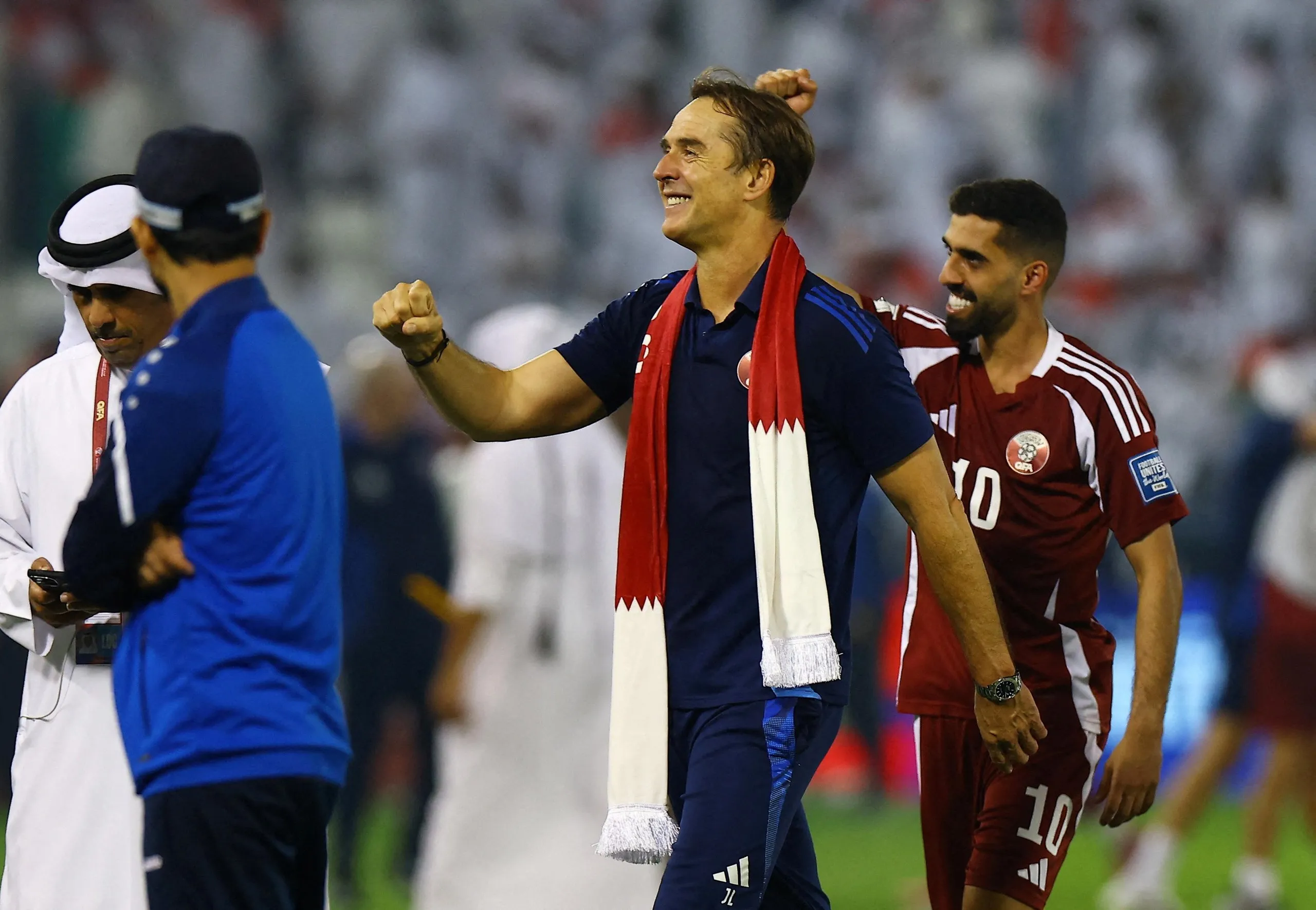
“We could have exited immediately against Iran, the Brazil of the region, but we won 1-0, which allowed us to face the Emirates and Oman. We had to focus on what we could achieve, not solely on our desires.”
“You’re accustomed to different players, intensity, and skills. That was a significant shock for us at the outset. Qatar is a nation of 300,000 people; perhaps 10,000 are players. In our match against the Emirates, only one starter was from there; the rest were Brazilians, Portuguese, Poles… and we triumphed. We need to enhance our quality while preserving our essence.”
“The most notable difference we encountered was the level of competitiveness, the pace, and the caliber of games they’re playing. We may be the only national team here with many players who have only participated four or five times this year. Our league has numerous foreign players, resulting in 19, 20, and 21-year-olds not getting playing time. The goalkeepers are all Qatari, so often, only two outfield players are local.”
In March, two scheduled friendlies were canceled due to bombings in Qatar by Iran. “Those matches would have been beneficial, particularly for defining our game plans,” Lopetegui notes. “We had to adapt with internal sessions, and there were three weeks during which players couldn’t train at all because they were confined at home. The physical preparation was far from ideal.”
“It was an unpleasant experience, unlike anything I have ever faced. You’re constantly awaiting alerts, glued to your phone. You receive a message advising you not to leave home, then another indicating when the threat level has decreased. Stay in safe areas, indoors, away from glass.”
“Most bombs fell near US bases, so you felt relatively secure away from those areas, but your family kept saying: ‘Come back.’ Firstly, you can’t; airspace was closed for 10-15 days. Then, I felt it was inappropriate to leave.”
“When the airspace reopened and my wife returned, I stayed. I had a responsibility to be present. It’s not about being a hero; it’s about fulfilling our duty.”
Throughout this tumultuous period, Lopetegui had a team to prepare. This experience is unlike any he has faced, and he believes it has enriched him as a coach. “One of our primary concerns was crafting a message that accurately reflected our reality without losing enthusiasm.”
“The first phase of the process is emotional, while the second pertains to football. We need to establish a structure that highlights our strengths and mitigates our weaknesses. We require a plan for three matches without succumbing to frustration.”
“We understand that when Qatar’s name is drawn, other teams will be pleased. That should not dishearten us; it should motivate us. They need to defeat us.”
“We have to create the best competitive environment. We must strike a balance. A player’s morale must not drop—we still have ambition and excitement—but we also cannot overestimate our capabilities.”
“This entire journey has been an incredible experience, immensely constructive, a reset. It’s been a time of personal reflection, which has been a powerful process: a lesson in humility, recognizing what I can and cannot do.”
“When you attend a World Cup, you may think: ‘Wow, this is a success.’ And indeed, it is a significant success, but you cannot merely cling to that. You cannot assume: ‘It’s accomplished.’ No. That’s a mistake. Now we must sharpen our focus and compete.”
“Qatar celebrated its presence at the World Cup as something extraordinary, and it is. But as José Mota’s famous comedy sketch suggests: We can attend, but going just for the sake of attending is foolish. We’re going to the World Cup to compete. We’ve earned the right to try.”