


The excitement surrounding the World Cup is palpable. The initial stages of this expansive summer tournament have been unexpectedly enjoyable, infused with energy and vibrancy.
This enjoyment is surprising, especially considering the grim anticipation that typically accompanies such events. Football has a way of captivating audiences, serving as a significant distraction in a world filled with chaos. It’s a sport that can be stretched and manipulated by powerful entities, yet the essence of the games remains intact. Football is an enduring phenomenon.
Throughout the tournament, there has been joy, emotional moments, and the celebratory spirit of the host nation. Fans appear genuinely thrilled to participate. In the United States, the World Cup seems to fit seamlessly into the broader landscape of entertainment, reminiscent of David Beckham marketing various products, or a cheerful personality outside a venue, enthusiastically promoting the tournament.
The matches themselves have been characterized by a lively pace, devoid of the awkwardness sometimes associated with international tournaments. The overall atmosphere has been refreshing, inviting optimism for the future.
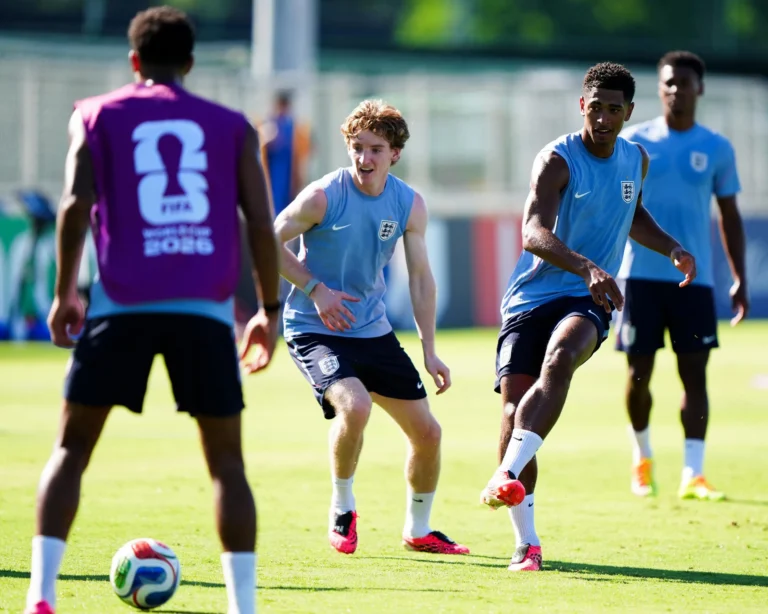
As England prepares to enter the fray, the first sightings of Three Lions jerseys have begun to appear in Dallas, signaling that the team is ready to make its mark. The stage is set for a shift in energy.
England’s match against Croatia on Wednesday at the Dallas Stadium promises to be a significant event. This impressive venue, with its unique architectural design, offers an exciting setting for the game. It will be England’s first competitive match in two years, marking a pivotal moment in the evolution of the nation’s football identity since the last tournament.
This game will serve two essential purposes: first, to gauge the team’s performance, and second, to assess the overall atmosphere surrounding the squad. A key question looms: will the passion and investment from fans match the expectations placed upon them?
The duality of English football is evident, where results often seem secondary to the emotional rollercoaster experienced by fans. The Euro 2024 campaign exemplified this, filled with frustration despite being the most successful overseas men’s tournament in history.
Interest in the England team wanes during downtimes but surges with the onset of the tournament. The nature of fandom has also evolved; younger fans no longer carry the same weight of expectation, evidenced by the success of the women’s team and the shifting dynamics of club football and celebrity culture.
While the fervor of England fans persists, it has transformed into a more ironic expression of support, resembling a costume party atmosphere during matches. However, this does not mean that the passion for the team has diminished.
A peculiar incident occurred surrounding England’s pre-World Cup friendlies, reflecting a troubling aspect of modern fandom. Following England’s narrow victory over New Zealand, a wave of racially charged commentary emerged on social media, criticizing players for their perceived lack of enthusiasm when singing the national anthem. Thomas Tuchel, the team’s coach, addressed this issue with indifference during a press conference.
This situation highlights a troubling divide, particularly in a World Cup that emphasizes the complexities of national identity. The ongoing discussions around player heritage underscore the evolving nature of nationality in sports.
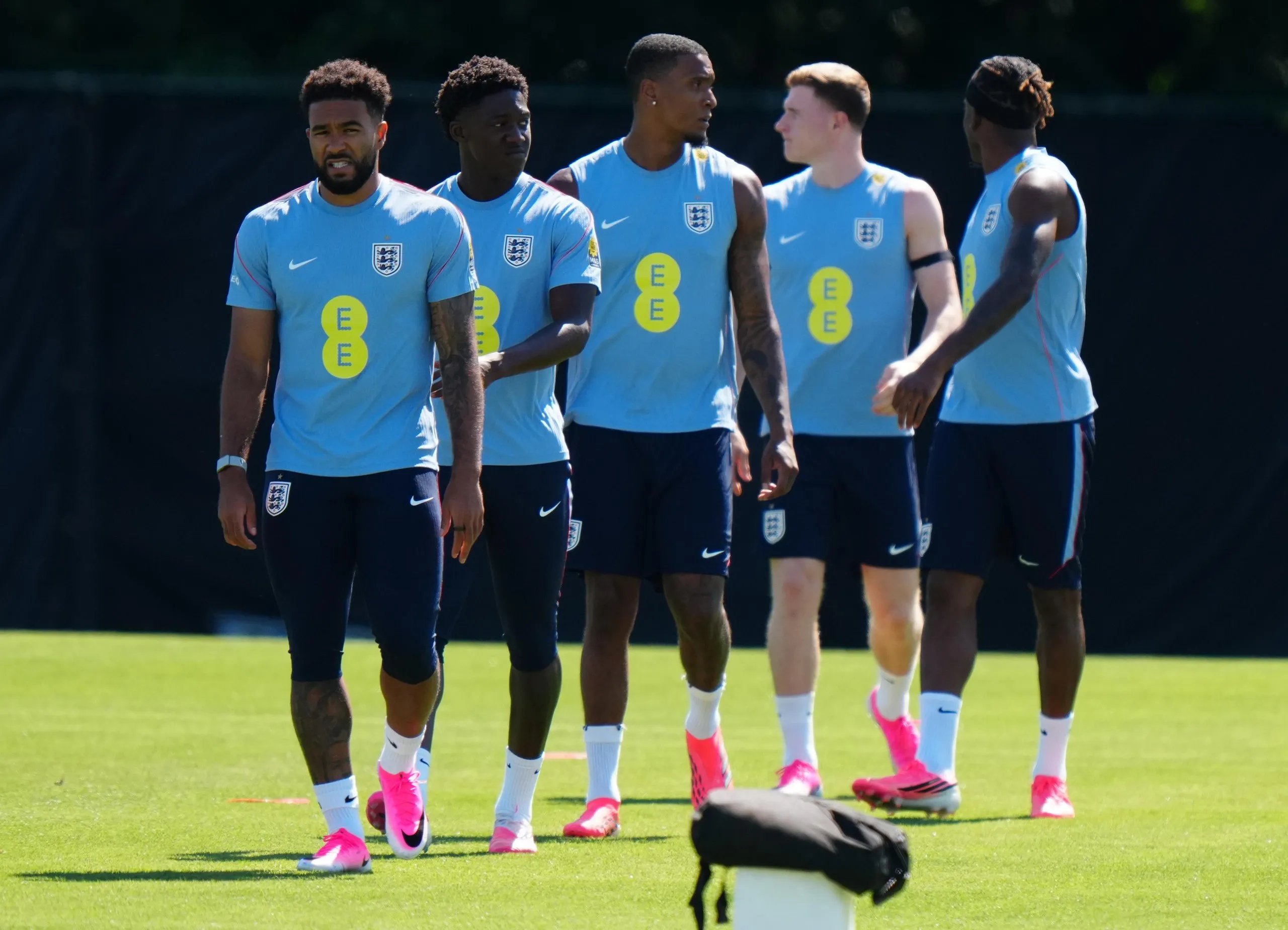
England’s squad is notable for its diverse heritage, showcasing the nation’s complex history. Out of the 26 players, 20 could have chosen to represent a different country due to FIFA’s heritage regulations. The team includes eight players with Caribbean roots and ten with African ancestry, illustrating a broader narrative about what it means to be English.
In an interesting statistic, this World Cup features 48 participating nations. Historically, England or Britain has engaged in military actions against 44 of them, a fact that exemplifies the complex legacy of colonialism. Only Sweden, Uzbekistan, and Côte d’Ivoire remain untouched by this history.
Moreover, Belgium’s squad includes players of Congolese descent, a reflection of the country’s colonial past. Similarly, Curaçao’s success is tied to its Dutch heritage, highlighting how historical events shape modern identities in football.
These discussions around identity and heritage extend beyond the realm of football, prompting deeper reflections on the nature of nationality itself. Questions about pre-match rituals, such as singing the national anthem, may seem trivial compared to these profound narratives.
However, the tournament also serves as a platform for exploring England’s footballing evolution. Under Tuchel’s guidance, the team appears more adaptable and resilient. The current squad is among the favorites to win the World Cup, competing with renowned teams like France, Spain, and Argentina.
Key players, including Harry Kane, Declan Rice, Reece James, and Jude Bellingham, bring their talents to the forefront, while the team’s midfield seeks to enhance its possession-based play. Progressing to the semi-finals would be a commendable achievement, though the path may involve challenging matches against formidable opponents.
One advantage for England is their ability to adjust to the tournament’s unpredictable nature, which suits Tuchel’s tactical approach. The synergy between Kane and Bellingham will be crucial, particularly in how they navigate spaces on the field.
Ultimately, this tournament signifies more than just a competition; it represents a departure from past expectations. The team embodies the complexities of modern England, and the atmosphere surrounding the event is refreshingly measured. Perhaps this time, England can focus on the present without the weight of historical burdens, allowing them to thrive based on their current capabilities.