


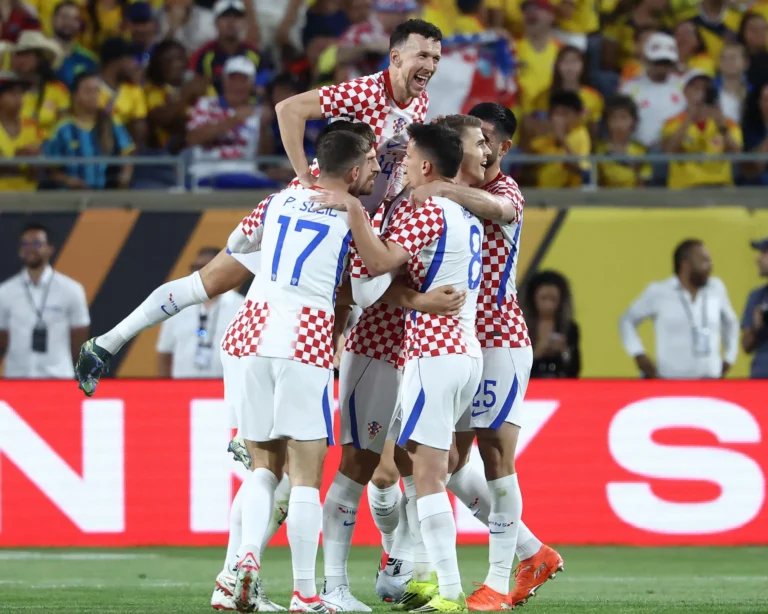
This article is part of the 2026 World Cup Experts’ Network, a collaboration among leading media organizations from the 48 countries that have qualified. Daily previews are being published on the run-up to the tournament commencing on June 11.
Team Strategy
The journey to the World Cup qualifiers was relatively straightforward for Croatia, known as the Vatreni or Blazers. The only significant challenge came from Czechia, who managed to secure a draw against Croatia. As a result, coach Zlatko Dalic took the opportunity to experiment with different player combinations. Following Croatia’s victory over the Faroe Islands last November, which secured their place at the top of the group, Dalic stated, “I will never try to play with three at the back again.”
However, come March, during friendly matches against Colombia (a 2-1 victory) and Brazil (a 3-1 loss), he reconsidered and experimented with the three-at-the-back formation, yielding mixed results.
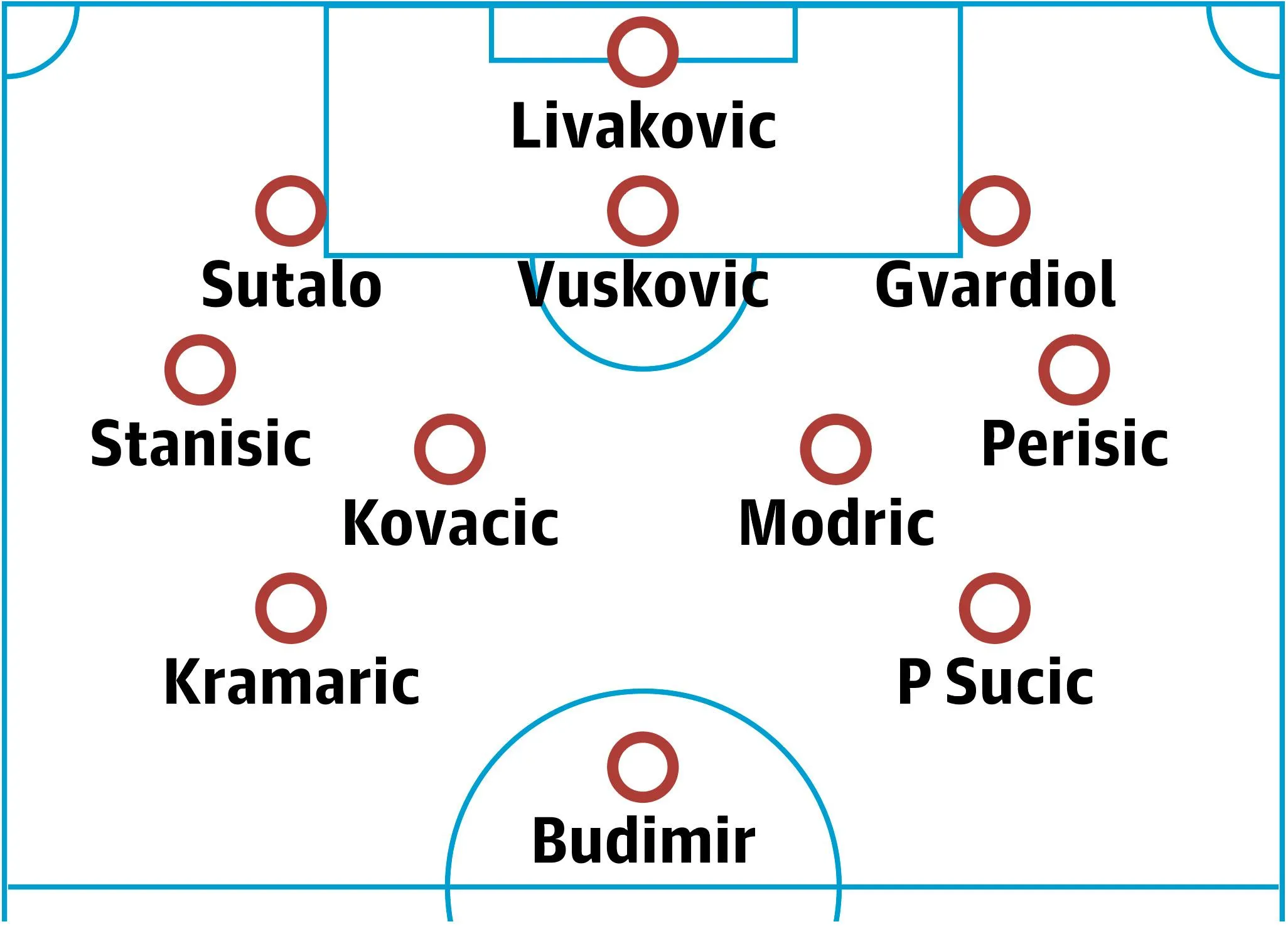
This formation is likely to serve as a backup strategy as Croatia plans to rely on the talents of Josko Gvardiol and Mateo Kovacic. With the Manchester City players returning from injuries, Dalic is expected to revert to his preferred back four setup—either a 4-3-3 or a 4-2-3-1 formation that has characterized his coaching tenure.
Croatia: Group L Fixtures
17 June v England, Dallas (3pm local, 9pm BST, 18 June 6am AEST)
23 June v Panama, Toronto (7pm local, 24 June 12am BST, 24 June 9am AEST)
27 June v Ghana, Philadelphia (5pm local, 10pm BST, 28 June 5am AEST)
Croatia will field one of the tournament’s oldest squads, with many key players aged 30 and above, including captain Luka Modric, who is now 40. This wealth of experience brings a winning mindset, but it also raises concerns about their physical capabilities.
Questions linger about whether veterans like Modric, Kovacic (32), Ivan Perisic (37), and Andrej Kramaric (turning 35) can perform at the highest level. Additionally, there are inquiries regarding the readiness of younger players to step into pivotal roles. Croatia has a history of exceeding expectations, and following their recent World Cup successes, they are eager to deliver one final standout performance.
Coaching Leadership
Zlatko Dalic has maintained his position as coach for nearly a decade, which is a notable achievement in a nation known for frequent coaching changes. His success has made him a nearly unassailable figure within Croatian football. Nevertheless, discussions surrounding his contract expiring after this World Cup tend to evoke a sensitive response from him. “Leave me in peace to do my job,” he retorted when questioned about his future. “I’m not going to sign an extension if anyone is forcing me to decide now.” This will be his third World Cup leading the team, having previously secured a silver medal in Russia and a bronze in Qatar.
Key Player
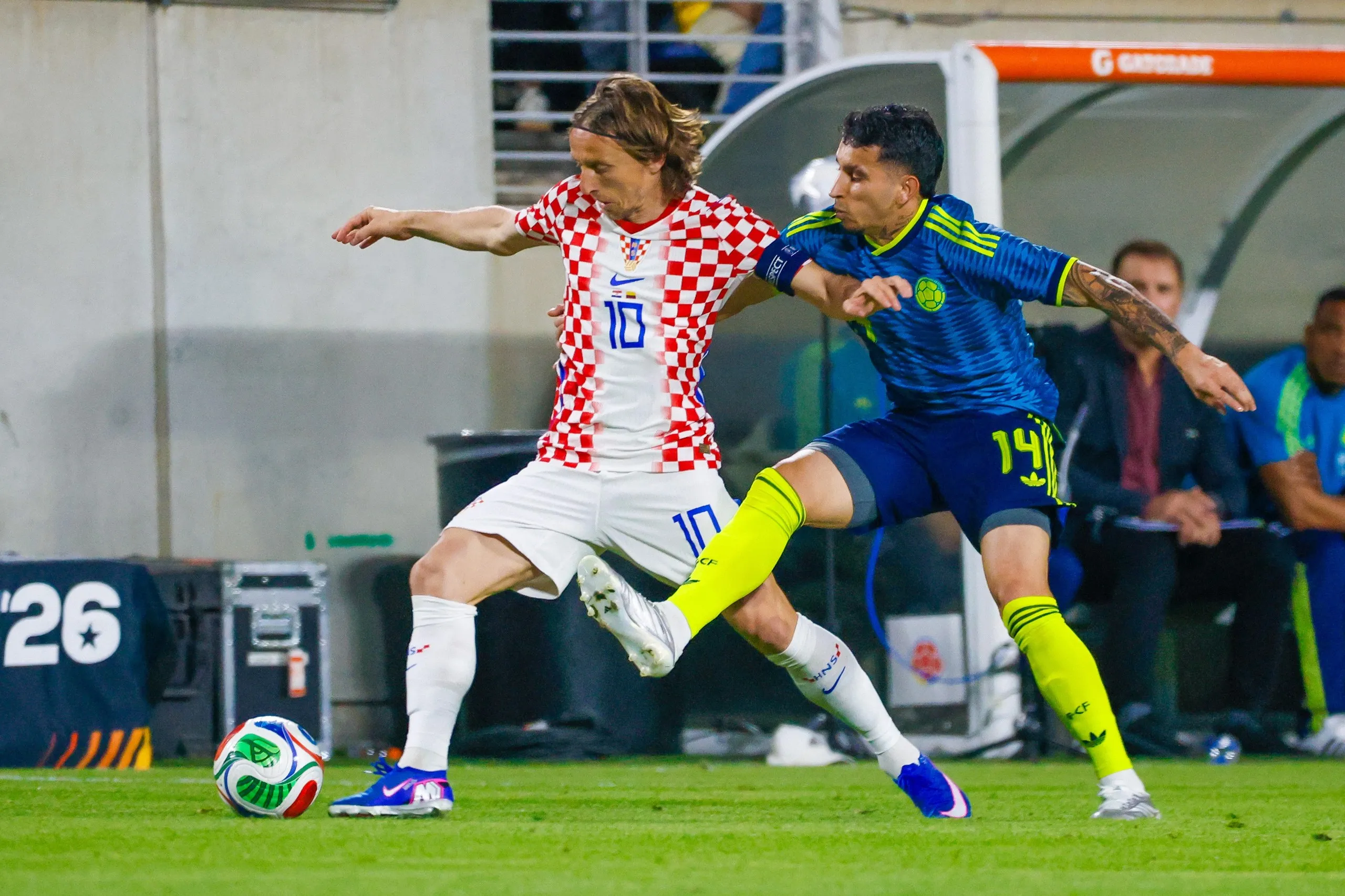
Luka Modric has been the cornerstone of the Croatian national team for two decades since his full international debut. The team has largely revolved around this midfield virtuoso, even as multiple generations of players have come and gone. While he may not possess the same energy that earned him the Ballon d’Or and Champions League titles with Real Madrid, his influence on the pitch remains significant. After moving to AC Milan in 2025, he has emerged as the club’s standout player. Recently, he netted his 29th international goal in a warm-up against Slovenia, and he is poised to reach the milestone of 200 caps in North America.
Player to Watch
Luka Vuskovic, a talented center-back known for his ball-handling and aerial prowess, is a promising young player to keep an eye on. At just 19 years old, he has already demonstrated leadership qualities across various age groups and leagues. Currently with Tottenham, having spent last season on loan at Hamburg in the Bundesliga, he has earned the trust of coach Dalic and is anticipated to be a starting player in the upcoming tournament. Will he be ready for the grand stage? Absolutely—he’s worth watching closely.
Unsung Contributor
Mateo Kovacic has often played in Modric’s shadow throughout his career and has not always received recognition as a key figure for Croatia. His true impact on the midfield is most noticeable during his absence; when he plays, he allows Modric greater freedom and better connectivity in their gameplay. Dalic understands Kovacic’s significance so well that the entire tactical approach hinges on his performance. If Kovacic struggles, Croatia might need to shift from their usual 4-3-3 formation to a 4-2-3-1 or even a back three setup.
Projected Starting Lineup
Fan Expectations
Croatia’s fans have faced scrutiny over their behavior, which has led to various sanctions for the team. Nevertheless, the squad will have widespread support, and fans traveling to North America are expected to celebrate enthusiastically, dressing up and cheering for the team, rather than engaging in protests or causing disturbances—at least, that’s the hope.
Political Landscape with the US
The adage of “not mixing sport with politics” is a well-worn phrase in Croatia, often used by those in power when it suits them. Politicians have refrained from expressing opinions on the Trump administration, so don’t anticipate any political sentiments emerging from the team’s camp. While fans may voice complaints about ticket prices or other issues, it is unlikely that Croatia will create any significant controversies.