


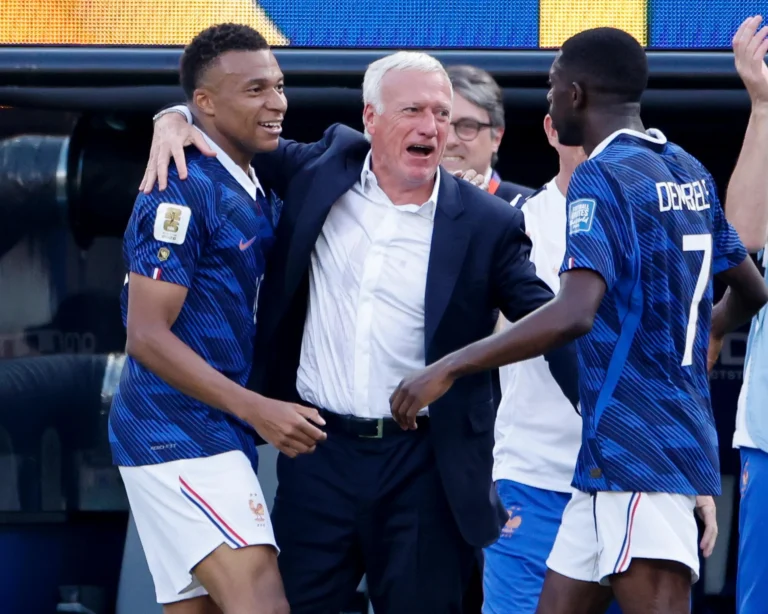
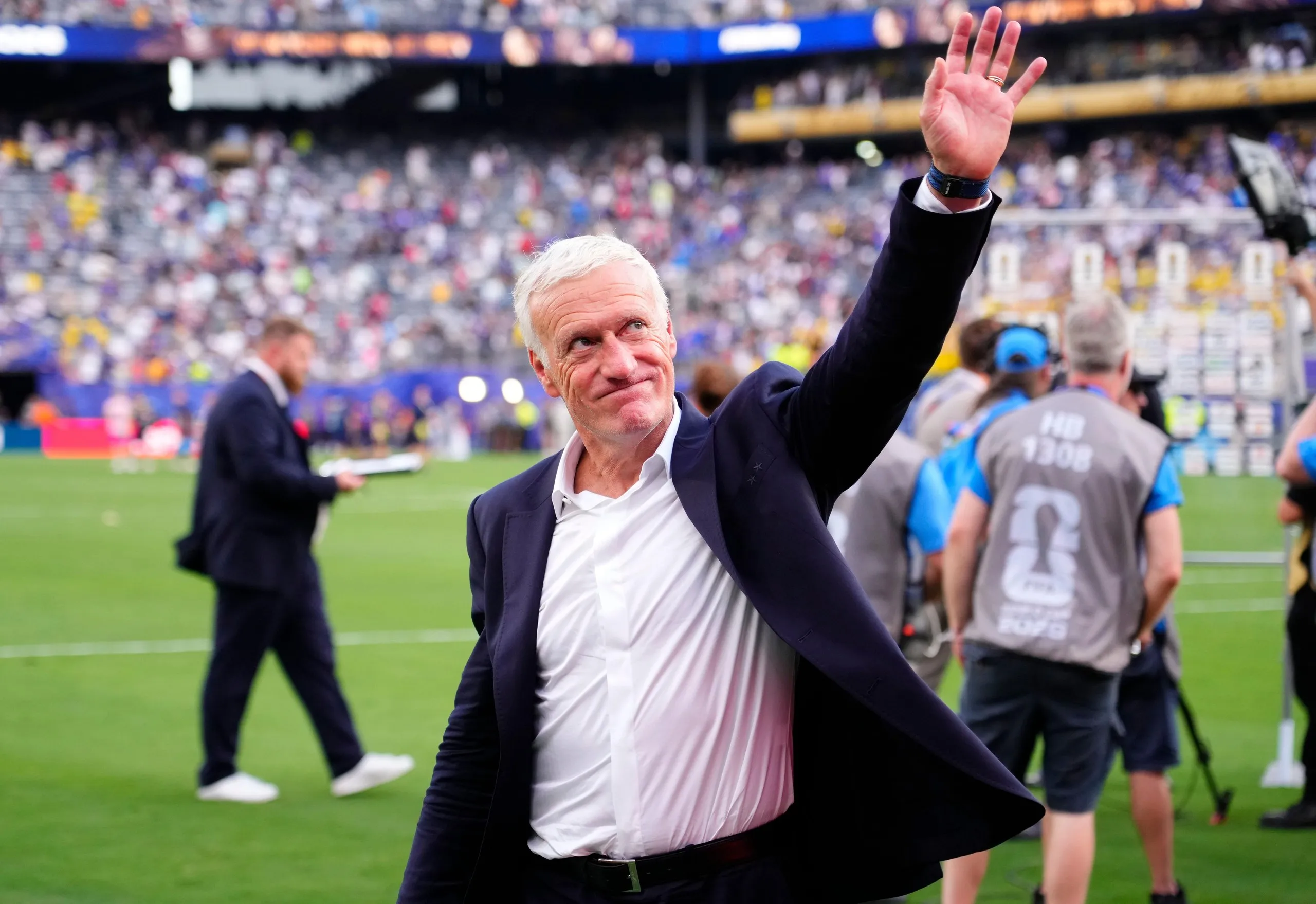
The image that encapsulated France’s World Cup journey so far was not one of Michael Olise executing a stunning bicycle kick or the team posing on their private jet. Instead, it was the moment Kylian Mbappé embraced Didier Deschamps, followed by a group hug with his teammates after scoring the opening goal in their 3-0 victory over Sweden.
Deschamps later expressed that Mbappé’s enthusiastic run to the technical area had “They delivered when I was away and now I’m back, they know I’m here 100%. Team spirit doesn’t win you matches but it can help you lose them. The collective strength is above everything and Kylian is the best shining example.” This emotional moment came after the head coach had taken a brief leave to mourn his mother’s passing. The players wanted to show how much they valued him. “I’m already hated enough as it is” Deschamps stated. “They delivered when I was away and now I’m back, they know I’m here 100%. Team spirit doesn’t win you matches but it can help you lose them. The collective strength is above everything and Kylian is the best shining example.”
While the French are typically open to public displays of affection, this gesture from the football team was particularly poignant. The bond between the squad and their coach runs deep, dating back to their 2018 World Cup victory. The focus on collective spirit serves a practical purpose for the tournament favorites.
Deschamps, his players, and the French public are acutely aware of the internal strife that has historically plagued Les Bleus. The infamous fallout during the 2010 World Cup, marked by the clash between Nicolas Anelka and coach Raymond Domenech, led to a player expulsion and a disastrous exit from the tournament. A post-event analysis revealed significant divides between the players and management, highlighting the presence of racial tensions.
In 2026, while issues of racism persist, the current squad stands united against it. Mbappé has faced backlash for his outspoken views on social issues, particularly regarding the French far right. He has been advised to remain silent, feeling the weight of criticism but firmly stated he should not enter politics because “I’m already hated enough as it is.” Nevertheless, Deschamps has offered unwavering support, as has the entire team.
This backing is invaluable, yet it is not an automatic expectation. Deschamps has embraced the nurturing side of his role, and his players have reciprocated. A mutual trust exists within the team, constantly reinforced by actions such as the group hug at MetLife Stadium.
It seems evident that Deschamps is utilizing this mentality to implement his tactical strategy. France has entered the tournament deploying four forwards, a previous tactic they strayed from during the last European Championship when they shifted to a more defensive 4-3-3 formation. Deschamps aims to balance security with an adventurous style, catering to the desires of fans and players alike. In return, he demands a high level of commitment from his squad.
One notable highlight of the tournament has been witnessing Mbappé energetically press opponents to regain possession, a departure from his usual playing style. The three forward partners he plays with, including Michael Olise from Bayern Munich, are accustomed to a rigorous counter-pressing approach. What may appear to be an extravagant forward lineup is instead executing a strategy that allows France to navigate their matches with ease.
Deschamps has cultivated a relationship of trust with his players, who are reciprocating this confidence. This dynamic illustrates the sophisticated management style of the experienced French coach, who seems to be relishing his final tenure in international football. For Mbappé, now a captain since 2023, this is a significant achievement. He is stepping into a leadership role with enthusiasm and responsibility, visibly enjoying the process. This positivity could pose a significant challenge for their opponents.
- World Cup 2026
- Kylian Mbappé
- France
- World Cup
- features