


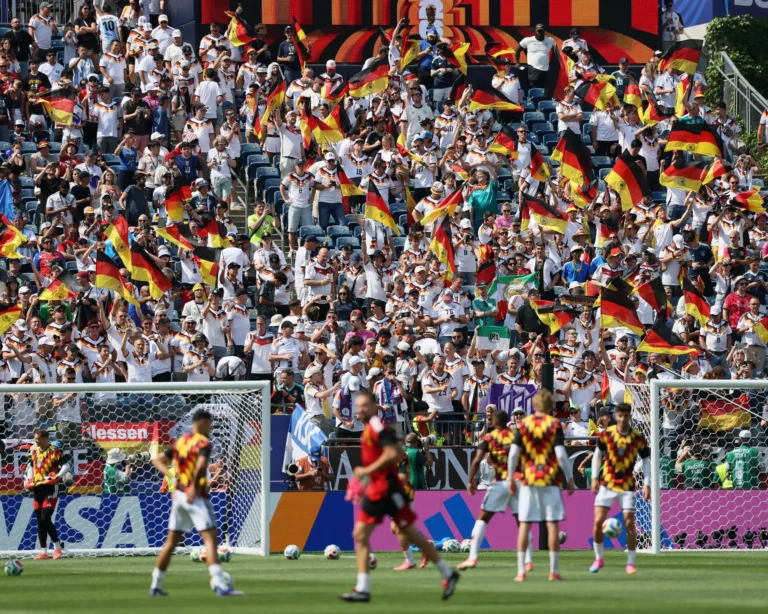
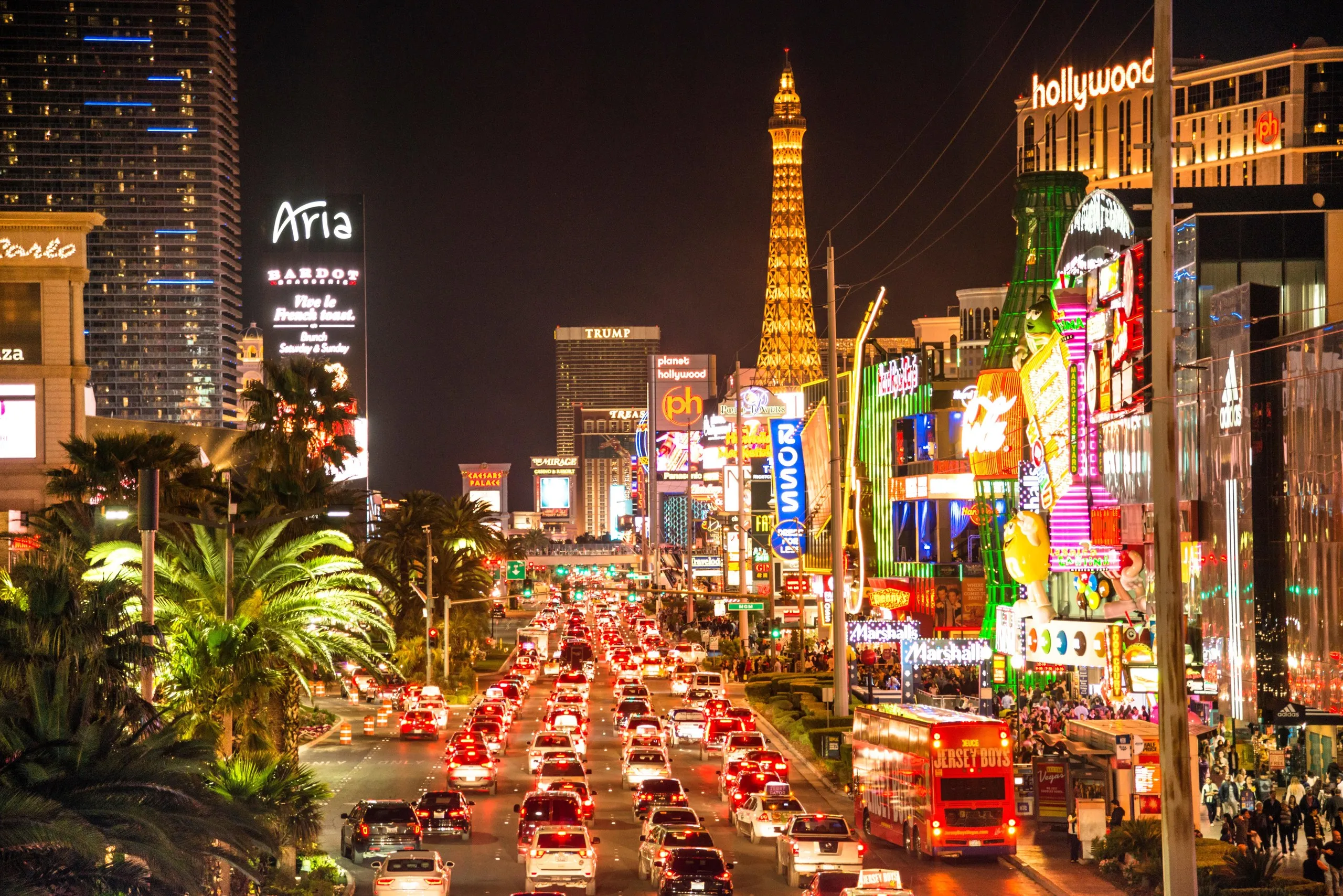
Farewell to Freddy, the elusive fan whose identity remained a mystery and whose voice was never heard speaking German. Known primarily through social media, this German supporter gained notoriety during the World Cup before abruptly vanishing from X. His online presence, under the handle @freddyla7, captivated many as he shared his adventures across the United States, marveling at its gas stations, fast food, and expansive highways, accumulating millions of views along the way.
While some embraced Freddy as a genuine enthusiast relishing the American experience, others suspected he was a construct—a ploy devised by the U.S. government and corporations to promote a narrative that life in America, even with its flaws, is unparalleled. Ultimately, this skepticism seemed validated when critics unearthed a series of old, questionable tweets and discrepancies in Freddy’s story, leading him to abandon his X account, citing the platform’s toxicity. However, Freddy’s digital footprint continues to thrive on Instagram, where he shares moments like enjoying home fries at Denny’s or snapping pictures of the Three Mile Island nuclear plant.
Freddy is not alone in this World Cup spectacle; many foreign fans have also gained attention for their enthusiastic embrace of American culture. My timeline has been awash with videos of Japanese fans indulging in Texas barbecue, English supporters in awe of America’s vast sporting venues, and unforgettable interactions between people from Lawrence, Kansas, and Algeria.
It is hard to deny the organic, joyful nature of these exchanges. As Pep Guardiola might say, such moments are incredibly uplifting. The tournament has provided a refreshing contrast to the often grim atmosphere surrounding current political narratives, temporarily overshadowing the negativity associated with the Maga authoritarian movement. Yet, the complexities of the situation remain, as the alliance between Trump and FIFA raises questions about the future of the sport and the potential for further excess. Still, the positive vibes surrounding this summer of soccer—once thought endangered—seem resilient.
Cultural Reflections on Freddy’s Popularity
At the heart of Freddy’s sudden fame lies a sense of unease, prompting questions about the authenticity of his persona and experiences. Is he truly German? Is his name even Freddy? While it’s possible that both answers are affirmative, the current climate of misinformation and artificiality makes it hard to trust appearances. In an era where even a simple em dash can raise suspicions, viral successes often reveal themselves as mere marketing strategies.
The division Freddy has created among soccer fans mirrors the ongoing debate surrounding the tournament’s hydration breaks: are they crucial for player welfare or merely a money-making scheme? In truth, they likely serve both purposes. Professional sports have excelled at narrowing the emotional spectrum of fan reactions to polarized extremes: either uncritical enjoyment or cynical skepticism. With phrases like “My Mayor Muslim / My bagel Jewish / My Christian Dior / Knicks in four” clashing against the critical lens of “He was unbelievably gracious and thankful,” any nuanced perspective risks being dismissed as weak or compromised.
The newer generation of fans, reminiscent of British food influencers in America, revels in the simple pleasures of American food culture, from gourmet hamburgers to elaborate barbecue. While these experiences can be genuinely delightful, it’s crucial to recognize that such culinary treasures are not exclusive to the U.S. Many European and Asian countries offer similar delights, challenging the notion that only America can provide these flavors.
The reach of social media has created a global culture where authentic Kansas City barbecue or Nashville hot chicken sandwiches can be found virtually anywhere. One does not need to travel to America to experience these culinary trends; they have permeated the globe.
The Search for Authenticity in Digital Fame
At the core of this phenomenon lies a quest for attention rather than truth. Influencers, particularly international ones, capitalize on America’s allure, feeding back its image to itself. The internet’s most ambitious climbers are drawn to the flashing lights of American culture, and in the digital landscape, few things shine brighter. Whether it’s sipping slushies or indulging in a Spicy Deluxe at Chick-Fil-A, the pursuit of online validation drives their enthusiasm, regardless of its authenticity.
Perhaps the most significant issue at play is a collective disengagement from reality. For many, life is a struggle filled with disappointments, making the allure of fantasy far more appealing. While Freddy shares his adventures across America, accounts on X labeled as “His head is squarely on his shoulders, despite everything – he understands that this is not normal, this is not real,” generate thousands of views through entirely fabricated insights about football, showcasing the appetite for constructed narratives. For instance, one account recently posted a fictitious quote from Arsène Wenger regarding a controversial moment in a match, garnering significant attention.
Is @freddyla7 a fact or a fabrication? Regardless of his true identity and motivations, “Freddy the German” symbolizes a broader concept: the modern football fan, the foreigner in America, and the individual merging with technology. As a fan, Freddy embodies the accumulation of experiences and the diverse agendas of contemporary culture. During his visit to America, he represents admiration and respect, as evidenced by JJ Watt’s praise after their encounter in Houston. Freddy’s persona serves to reinforce America’s self-image while remaining non-threatening. A digital phenomenon, he stands as a contemporary Tocqueville donning a CR7 jersey—albeit without the critical insight of the French observer.
“His head is squarely on his shoulders, despite everything – he understands that this is not normal, this is not real,” Watt remarked on the Men in Blazers podcast, reflecting on Freddy’s awareness of his role.
Ultimately, nothing feels entirely real anymore, except for the raw emotions of footballers on the pitch and America’s unmatched ability to attract dreamers, storytellers, and marketers to its shining light.
- World Cup 2026
- World Cup
- Germany
- Social media
- Digital media
- features