



After a tense first half, England reignited their performance at the Dallas Stadium, delivering a show that resembled a clumsy robot attempting to mimic Michael Jackson’s dance moves. The initial 45 minutes were a mix of determination and awkwardness, leading to a 2-2 halftime score, with Harry Kane scoring two set-piece goals — the first from a penalty following a corner.
As uncertainty loomed, doubts arose whether England would succumb to a style of play characterized by rigid set pieces, echoing a comment made by Tuchel last September about the resurgence of throw-ins and corners. In that first half, England showcased these elements, yet struggled to find fluidity in their gameplay.
The turning point came at halftime, a moment crucial not only for this match but for Tuchel’s entire tenure with the team. Jude Bellingham emerged as the catalyst for change, netting what would be the decisive goal in a 4-2 victory, infusing the match with a burst of energy that starkly contrasted with the preceding play.

Bellingham’s goal was not a display of solo brilliance but rather a testament to raw determination. He seized the ball on the right, receiving a straightforward pass, and surged forward with purpose, leaving two defenders behind as he executed a precise, guided finish into the far corner.
At that moment, England wasn’t just leading 3-2; they appeared cohesive and eager to engage in the match. This shift in attitude was palpable, as they pressed Croatia aggressively, showcasing their speed and tenacity. The team offered a glimpse of their potential, exhibiting the physicality and agility that make them formidable.
Bellingham’s role in transforming the game’s atmosphere was significant. Despite his fame and the scrutiny surrounding his abilities, there are those who question whether he is merely a player for pivotal moments. However, at just 22 years old, he is already proving that such moments are invaluable, especially when they can redefine the course of a match and invigorate the team’s spirit.
By the end, with Marcus Rashford adding to the score, the match felt refreshingly new and exhilarating. England displayed a style that was enjoyable and a bit unrefined, proving they have the capability to thrive in high-stakes situations.
The Dallas Stadium itself is an impressive venue, resembling a futuristic structure emerging from the Texas landscape. Inside, it feels like entering a different world, with its immense roof and vibrant atmosphere captivating fans.
From the press box, the pre-game spectacle was overwhelming, featuring the large red and white crowd and a massive screen showcasing the enthusiastic faces of supporters.
The opening minutes were dominated by Kane, who scored from a re-taken penalty in the NFL stadium, and later fulfilled another childhood dream by scoring directly from Declan Rice’s corner after Croatia had equalized.
However, England’s momentum faltered, and they appeared to struggle, with fatigue setting in. Tuchel, clad in black like a pioneer in the American frontier, deserves credit for the tactical adjustments that shifted the game’s energy.
As the match progressed, the balance in midfield became evident. The success of England in the US will likely depend on how effectively Rice and Elliot Anderson can orchestrate the gameplay. Tuchel seems to favor a certain type of player: tall, slender, and right-footed.
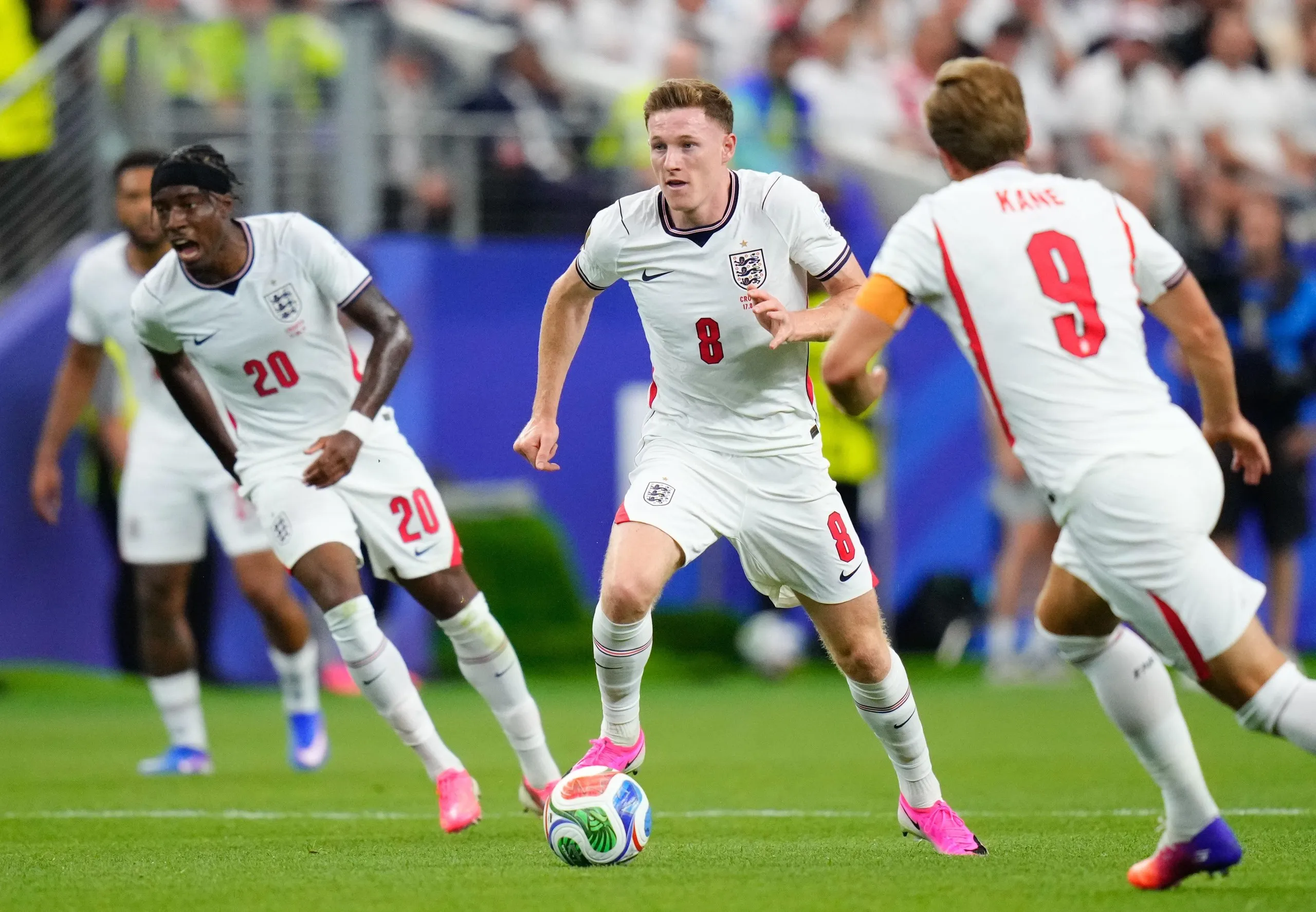
While it may be an exaggeration to claim this match served as retribution for past disappointments, England successfully wrested control from the ageless Luka Modric, who, at 40, remains a masterful presence on the field.
Modric exited the pitch shortly after England’s resurgence, with Croatia appearing vulnerable. Yet, amidst this encounter, there was a newfound sense of hope and an invigorating energy that was refreshingly human.