


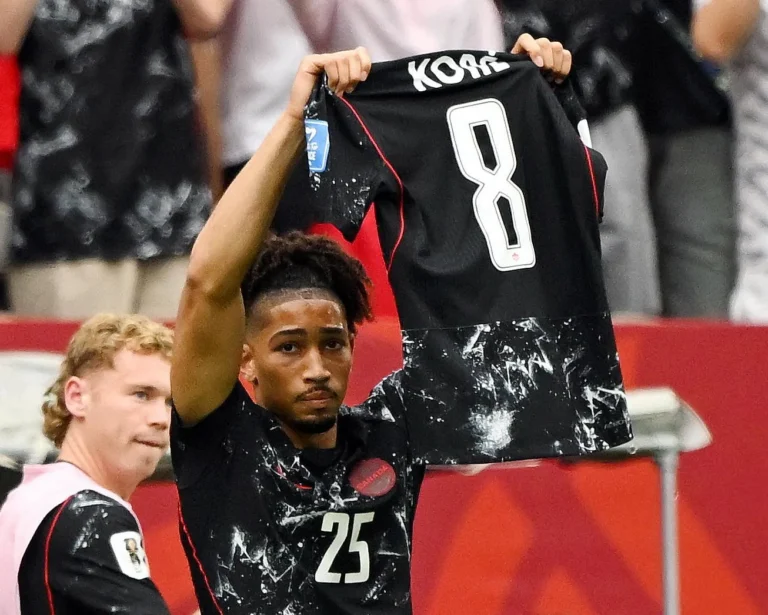
Canada showcased their potential on the world stage with a commanding 6-0 victory over Qatar, marking the nation’s first win in a men’s World Cup. The match, held in front of 52,497 fans, was a culmination of years of growth in the Concacaf region, with Jonathan David’s hat-trick highlighting the team’s impressive performance. However, the triumph was overshadowed by a severe leg injury suffered by midfielder Ismaël Koné during the second half.
The atmosphere in Vancouver was electric as the crowd erupted into a heartfelt rendition of O Canada. This spirited support energized Jesse Marsch’s squad, who quickly established dominance by maintaining possession in the Qatar half from the outset.
For the initial eight minutes, Qatar struggled to find their footing, with Canada effectively keeping them under pressure. It wasn’t until Akram Afif managed a brief foray forward that Qatar began to stabilize, but this moment proved to be merely a precursor to the onslaught that followed.
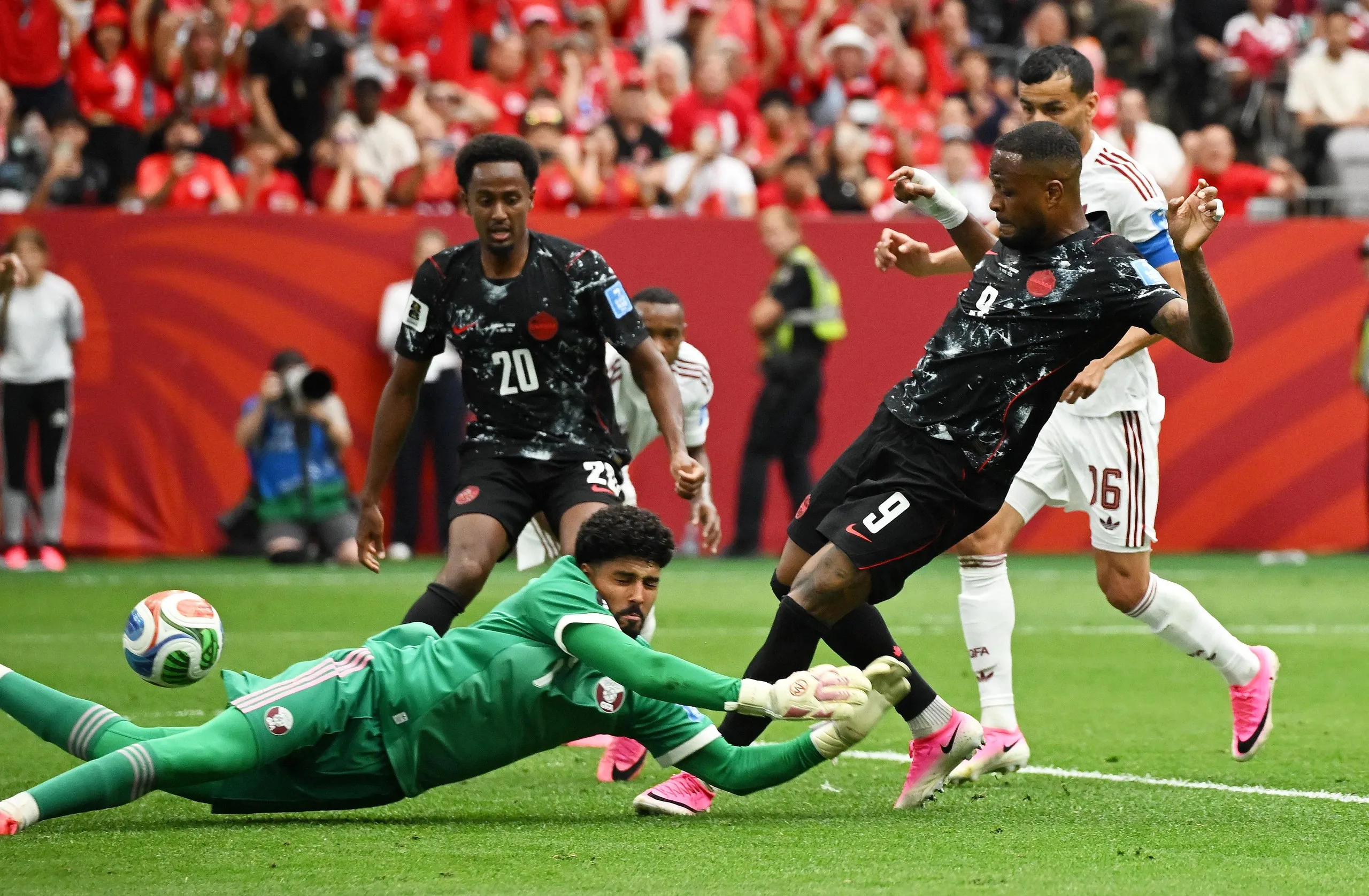
In their opening match of the tournament, Canada had drawn 1-1 with Bosnia and Herzegovina, managing nine corners without making a significant impact on the scoreboard. This time, they were more effective, creating three corner opportunities in the first half-hour, with one leading directly to their first goal. After a chaotic sequence in the box, Cyle Larin found the ball and ignited a wave of celebration.
Following a hydration break, Canada pressed their advantage. Alastair Johnston sent a pass to Tajon Buchanan, whose attempt was blocked but fortuitously fell to David. The Juventus striker executed a stunning volley that left goalkeeper Mahmoud Abunada with no chance to react.
Qatar’s situation worsened shortly after David’s goal when Buchanan was brought down by a desperate Homam Ahmed, leading to a VAR review. The decision resulted in a straight red card for Ahmed, reducing Qatar to ten men and further amplifying Canada’s momentum.
As the match progressed, Canada continued to capitalize on their opportunities. In the 38th minute, with Abunada committed to a dive, Buchanan had a chance to score, but Afif managed to clear the ball off the line. As the first half drew to a close, Canadian fans were treated to yet another goal; Larin’s header was initially saved, but David was on hand to convert the rebound, closing out a stellar first half.
Upon the start of the second half, Canada wasted little time in maintaining their aggressive play. In the 51st minute, an unfortunate collision occurred when Qatar’s Assim Madibo fouled Koné, resulting in a yellow card. However, the severity of Koné’s injury prompted a video review, which escalated Madibo’s punishment to a red card, leaving Qatar with just nine players.
In a moment of solidarity, the Canadian crowd warmly supported Koné as he was stretchered off, with many chanting his name. His teammates visibly displayed concern, but they also channeled their energy into the game.
Canada sought to honor Koné’s spirit by continuing their offensive push. In the 64th minute, Nathan Saliba, who replaced Koné, scored a remarkable direct free kick and dedicated the goal to his injured teammate with a hand gesture. Just moments later, the stadium erupted again as Jacob Shaffelburg’s shot was inadvertently deflected into the net by Mohamed Al Mannai.
The highlight of the match beyond the goals came when the scoreboard flashed a shot of Christine Sinclair, the all-time leading international goalscorer.
As the Canadian men’s team continues to write its history, players like David are establishing themselves as future legends. Despite missing star defender Alphonso Davies due to injury, the team’s performance reflects a bright future for Canadian soccer.
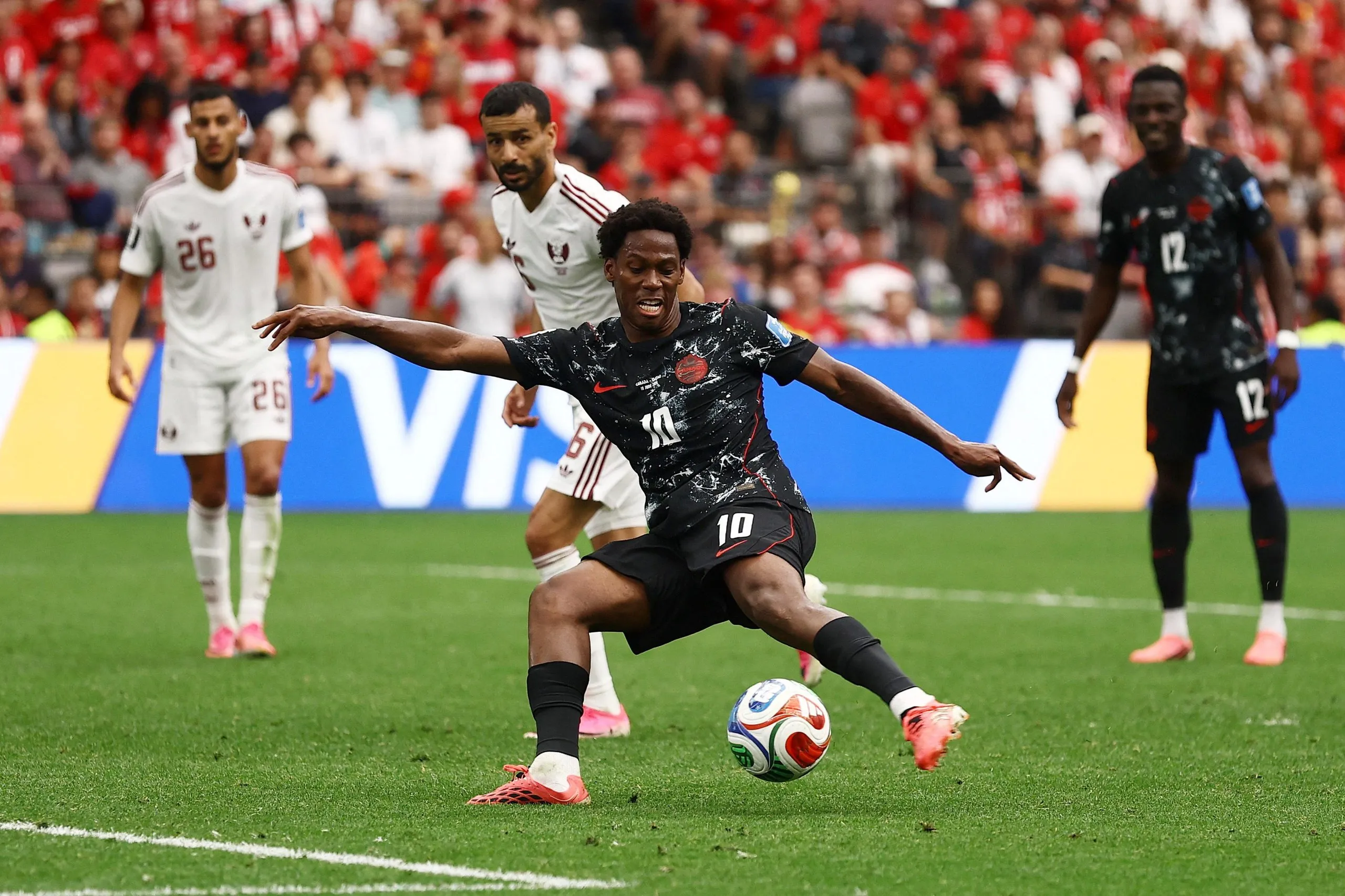
In the second minute of stoppage time, David’s luck continued as he deflected a teammate’s shot, transforming what could have been Saliba’s second goal into an assist, thus completing his hat-trick. David, now Canada’s all-time leading male goalscorer, stands among a group of players achieving unprecedented milestones. Collectively, all 26 players have etched their names into history as the first Canadian men’s team to win at a World Cup.